




Pharmacy Management
Latest News
Advertisement
Latest Videos
Advertisement
More News

Nearly 84% of hospitals are working to prevent and mitigate burnout, with increased support and programs for individual wellness and resilience practices.

Pharmacists were asked about their levels of burnout, drivers and symptoms of this burnout, and what steps their workplaces had taken to improve the issue.

Pharmacy professionals can bring in the right people at the right time to identify needed changes and develop an action plan.

Pharmacists are crucial in supporting patients with attention-deficit hyperactivity disorder as shortages of Adderall continue.

Improving the process of safe medication therapy management requires comfort, trust, and fostering a culture for safe communication.

Studies show that patients who are introduced to patient support programs through digital platforms are more likely to use support services.

Remote work has been a growing trend across many different areas of pharmacy.

Expert discusses how patients who participate in Ramadan, a month of fasting in Islam, can stay safe while doing it, and offers insight into how patients can work with pharmacists to adapt to their medication needs.

Expert weighs the benefits and pitfalls of social media, the importance of quality information from credible journal sources, and why information that sparks an emotional response can be more influential than evidence-based facts.

Vibhuti Arya, PharmD, MPH, FAPhA, explains how APhA as an organization is opening discourse among its members regarding unpacking and dismantling structural racism in the organization and in the profession at large.

Vibhuti Arya, PharmD, MPH, FAPhA, discusses the role of the individual in progressing structural and systemic changes in the pharmacy ecosystem.

In addition to improving working conditions for current employees, burnout must be addressed in order to recruit and retain new employees and alleviate understaffing.
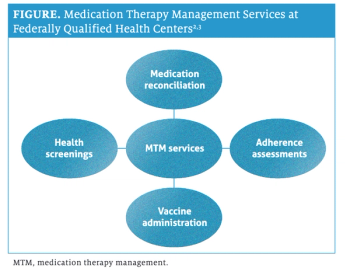
Services include adherence assessments, health screenings, medication reconciliation, vaccine administration.

Clinical Pharmacists Can Improve Cost Savings Through Medication Assistance Programs in Primary Care
Pharmacists should continue to seek out opportunities to be involved in family medicine and chronic disease state management to make meaningful impacts on care.

Pharmacy departments can be one of the most expensive departments in a cancer center practice, but the revenue generated for its services typically far outpaces associated costs.

AI-enabled algorithms can also augment clinical decision making for health care professionals using real-time data analysis and decision support to treat patients more efficiently and accurately.

John E. Clark, PharmD, MS, FASHP, FFSHP, Director, Diversity, Equity, and Inclusion at the Taneja College of Pharmacy, University of South Florida, discusses the importance of addressing social determinants of health to improve patient outcomes.

Through automated tools related to scheduling, prior authorization, and radiation planning tasks, there are efforts to shorten the time from diagnosis to treatment to improve patient outcomes.

Deep learning AI models like ChatGPT health care edition, coupled with applications targeting pain points in practice workflow, present a very exciting vision for the future.

They can continue to put pressure on companies and regulatory bodies to make the system work for them and not the other way around.

In part 1 of this panel discussion, experts address how they define traditional versus nontraditional oncology pharmacy roles today, as well as the benefits and drawbacks of pursuing such a career path based on their experience.

David Dalton, PharmD, CEO of Univec, addresses how the pharmacist is ideally positioned to support the technological transformation that is occurring in health care today.

AI models can predict pharmacy foot traffic and peak service times, and even analyze patient histories to single out who picks up their prescriptions on time.

Farah Towfic, PharmD, MBA, RPh, director, CEO Operations, US Pharmacopeia, discusses some of the primary topics impacting pharmacists’ delivery of care and quality this year.

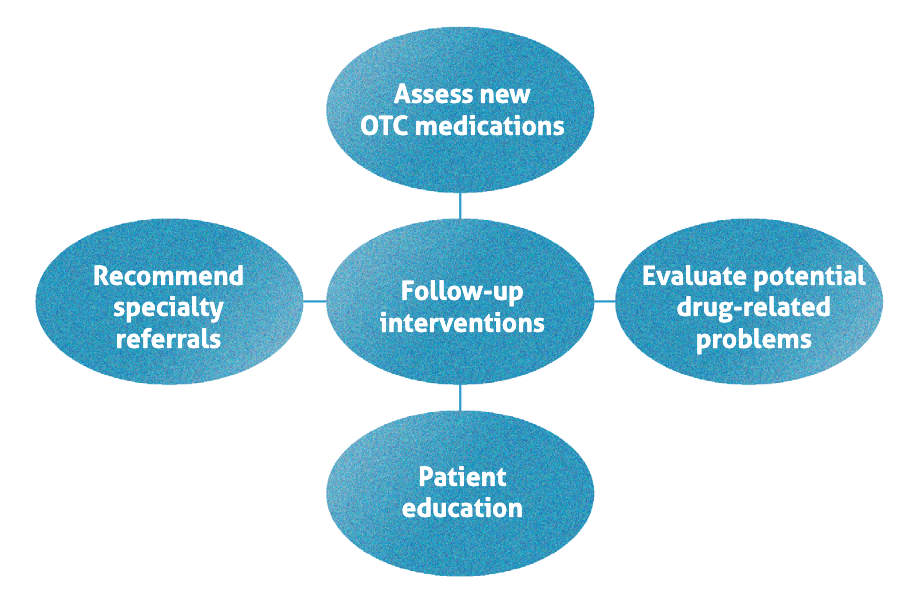
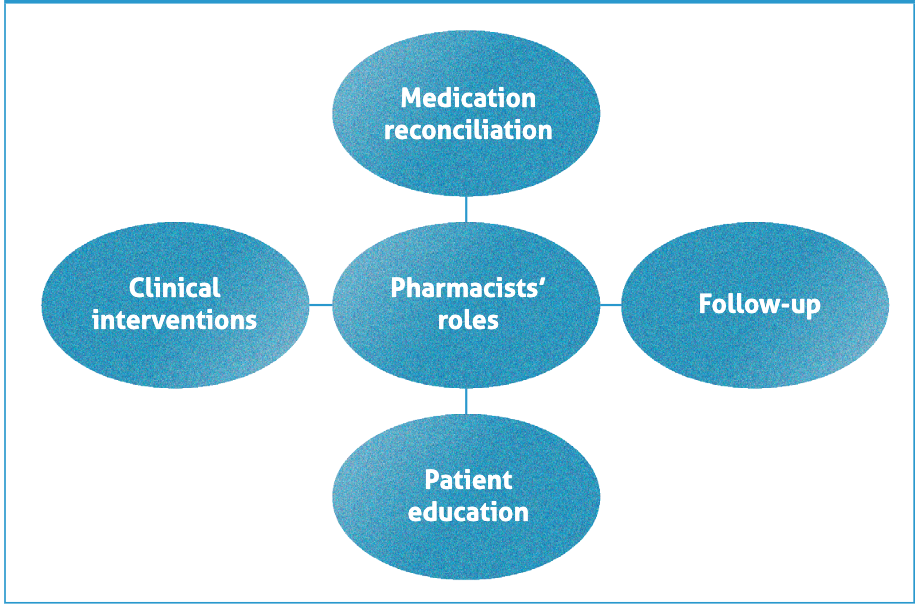
Strategies to enhance patient relationships include teach-back method, providing follow-up information.
Advertisement
Advertisement
Trending on Pharmacy Times
1
Combined Cardiometabolic Biomarker Burden Tracks CKM Progression
2
Flu Vaccination Linked to Fewer Severe Outcomes in Older Adults, Fewer ED Visits in Children
3
FDA Approves Bepirovirsen, First ASO for Chronic Hepatitis B
4
FDA Approves Awiqli, Once-Weekly Insulin, for Children Aged 10 Years and Older With T2D
5