
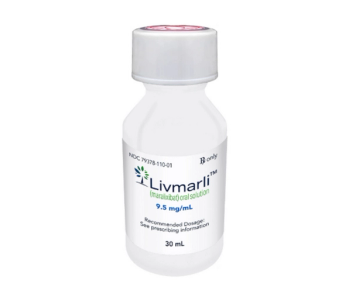
Maralixibat decreases the reabsorption of bile acids from the terminal ileum for the treatment of cholestatic pruritus in patients with Alagille syndrome.
Maralixibat decreases the reabsorption of bile acids from the terminal ileum for the treatment of cholestatic pruritus in patients with Alagille syndrome.

Actinic keratosis develops from years of sun exposure and usually first appears in people over 40 years of age.

Finding relief can be frustrating and takes effort and time for many patients, but pharmacists can help.

In an interview with Pharmacy Times®, Mitchell Barnett, PharmD, MS, associate director of the Iowa Prescription Monitoring Program for the Iowa Board of Pharmacy, and Mylo Wells, PharmD, owner of Wells Hometown Drug, discuss Iowa’s new drug disposal kit program and the impact it could have on the opioid epidemic.

According to GenSight, GS030 combines AAV2-based gene therapy with optogenetics to treat RP.

According to Ocular Therapeutix, Dextenza is now the first FDA-approved, physician-administered intracanalicular insert capable of delivering a preservative-free drug for the treatment of ocular itching associated with allergic conjunctivitis with a single administration for up to 30 days.
New therapeutics for prostate cancer must continue to be assessed for comparative safety and efficacy, as well as accessibility for patients.

Anjanette Wyatt, PharmD, said pharmacists can play a major role in helping patients distinguish trustworthy facts from misinformation.

Effectively managing and respecting technicians is a great start but advocating for them helps to ensure the viability and growth of our profession.

The authorization includes strict marketing restrictions on manufacturers, including restrictions on digital, radio, and television advertising, to reduce the potential for youth exposure.

People with kidney disease or conditions that prevent the small intestine from absorbing nutrients from foods are more likely to be vitamin B-6 deficient.

Musey addressed any gaps and limitations that researchers should be focusing on in future studies and what he hopes to see for the future of pneumococcal vaccines and this disease.

The mechanism of action of solriamfetol is mediated through its activity as a dopamine and norepinephrine reuptake inhibitor indicated for excessive daytime sleepiness associated with narcolepsy or obstructive sleep apnea.

In its most severe form, Guillain-Barre syndrome is a medical emergency.

Washington State University study results show that slumber-deprived individuals had more difficulty reducing the emotions they felt when so instructed than those who slept normally.

A phase 3 trial met the primary endpoint, and the long-acting antibody combination reduced symptoms or death by 67% for patients compared with those who took a placebo.

Abemaciclib (Verzenio) approved in combination with endocrine therapy for the adjuvant treatment of adult patients with HR–positive, HER2-negative, node-positive, early breast cancer at high risk of recurrence.

A clear gastrointestinal tract promotes a healthy body and mind and keeps the immune system robust.

National Community Pharmacists Association (NCPA) President Brian Caswell, RPh, said he is incredibly proud of the work community pharmacists have done over the past year.


Adults 40 to 59 years of age should consult their clinician before taking aspirin, and adults 60 years of age and older should stop aspirin use for the prevention of cardiovascular disease.

Michael Frank, CEO of Revive Therapeutics, and Derrick Welsh, COO of Psilocin Pharma, a division of Revive Therapeutics, discuss clinical research investigating novel treatment targets for psilocybin, such as treatment-resistant depression in patients with cancer.

Pharmacy Times spoke with Dr. Jeffrey Akers, CEO of Pharmaceutical Services at Appalachian Regional Healthcare, about how integrated technology can empower pharmacists to prioritize patient care and safety and can help prevent harmful medication events from occurring.

Although October has long been celebrated as National Pharmacy Month, it is only in recent years that female pharmacists have been celebrated for their contributions to the profession and patient care.

The authors said stigmatization threatens societal cohesion during times of national upheaval, such as during a pandemic.

Jameshia Below, PharmD, assistant professor of pharmacy practice at the University of Louisiana Monroe College of Pharmacy, explains how oncologic emergencies present in patients, and how each type can be recognized.

October 12 observance gives special recognition to the significant achievements made.

Patients receiving sacituzumab govitecan also reported lower symptomatic impact of fatigue, pain, dyspnea, and insomnia.

Biotin deficiency can cause thinning of the hair and a rash on the face.
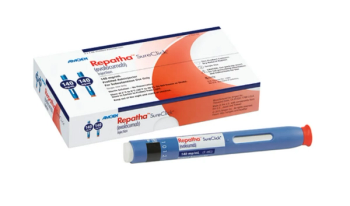
Evolocumab is a PCSK9 inhibitor indicated to reduce the risk of myocardial infarction, stroke, and coronary revascularization in adults with established cardiovascular disease.