
Study links GLP-1 receptor agonists plus progestin to lower endometrial cancer risk, hinting at new prevention and treatment paths with fewer hysterectomies.
Study links GLP-1 receptor agonists plus progestin to lower endometrial cancer risk, hinting at new prevention and treatment paths with fewer hysterectomies.

Both formulations were also well-tolerated and withdrawal was rare.

MammaPrint genomic profiling guides personalized HR-positive breast cancer treatment, helping pharmacists and oncology teams reduce chemotherapy use while protecting outcomes.
Patients need evidence that reflects real benefit.

Explore emerging evidence on aspirin’s potential role in reducing cancer risk and improving survival.

The label change removes boxed warnings of cardiovascular disease, breast cancer, and probable dementia from certain hormone replacement therapy products.

Pharmacists are central to optimizing chronic kidney disease (CKD) diagnosis and monitoring long-term adherence to disease-modifying therapies.

Innovent’s trispecific antibody IBI3003 has received FDA fast track designation for R/R MM, supported by early clinical data showing strong efficacy and manageable safety in heavily pretreated and high-risk patients.

NCCN-backed MammaPrint stratifies HR+ breast cancer, pinpointing who needs anthracyclines and how pharmacists help personalize oncology care.
Shifting federal vaccine guidance fuels parent confusion and uneven care, as clinicians lean on scientific consensus.

GDF15 can reshape prostate cancer prognosis and treatment; pharmacists track emerging biomarker panels and targeted therapies for metastatic disease.

The Break Up Big Medicine Act aims to address structural conflicts of interest.

Pharmacists can use collaborative practice agreements in neurology to manage multiple sclerosis medications, labs, and expand care beyond disease-modifying therapies.

H. pylori requires diagnosis, antibiotic- and acid-suppression-based therapy, and post-treatment eradication confirmation to prevent gastritis and cancer.

The FDA targets mass-marketed compounded GLP-1 drugs, warning of safety risks and deceptive ads as enforcement ramps up for weight-loss injectables.

The FDA declines to review Moderna’s mRNA flu vaccine filing over comparator choice, despite positive phase 3 results.
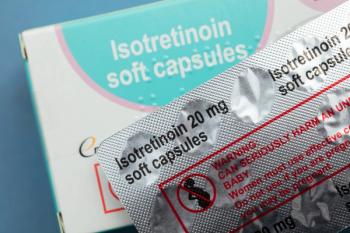
The updates allow for patients of reproductive age to complete pregnancy tests at home during or after treatment.

The phase 3 ADRIATIC trial demonstrates that consolidation durvalumab following concurrent chemoradiotherapy improves survival while maintaining health-related quality of life.

Vitamin B12 supports cognitive health, corrects deficiency in pills or shots, and helps pharmacists guide smart vitamin and supplement choices.

Oncology pharmacists use MammaPrint to target anthracyclines in high-risk breast cancer, sparing others cardiotoxicity and severe nausea.
Learn how pharmacists cut GLP-1 costs, streamline prior authorizations, guide safe switches, and bust social media myths for lasting adherence.

Real-world FAERS data reveal venlafaxine’s known risks plus rare late-onset events and subgroup patterns, guiding long-term prescribing.

The most pronounced association was observed when individuals consumed 2 to 3 cups of caffeinated coffee per day.

FDA approval expands pembrolizumab (Keytruda) for PD‑L1+ platinum‑resistant ovarian cancer, pairing with paclitaxel ± bevacizumab to improve survival outcomes.
Host Craig Beavers explores why US blood pressure control still lags despite proven treatments.

The Medications Optimizing Maternal Safety (MOMS) program offers vital support to pregnant patients through community pharmacies.

Intranasal ketamine may remain a potentially viable treatment method for acute pain.

RESTORE trial data show investigational elritercept improves myelofibrosis anemia and cytopenias, reduces transfusions, and guides pharmacists on monitoring with ruxolitinib.

Ann Marie Navar, MD, PhD, explains how enlicitide’s sustained LDL-C lowering, favorable tolerability, and structured dosing may improve adherence and expand oral add-on options for patients not at goal on statins.