

The ACCESS trial found that expanding hematopoietic cell transplant eligibility through mismatched unrelated donors increased racial, ethnic, and socioeconomic diversity among recipients.
The ACCESS trial found that expanding hematopoietic cell transplant eligibility through mismatched unrelated donors increased racial, ethnic, and socioeconomic diversity among recipients.

Study data show that extended endocrine therapy after 5 years reduces late recurrence in premenopausal breast cancer, with benefits varying by tumor subtype.

Emerging synthetic opioids known as orphines are entering the illicit drug supply with extreme potency and detection challenges.

Expanding education, safety responsibilities, and patient support roles are elevating the importance of pharmacy technicians in cancer care.

Discover how pharmacists guide women through sensitive health needs, improving outcomes in every community.
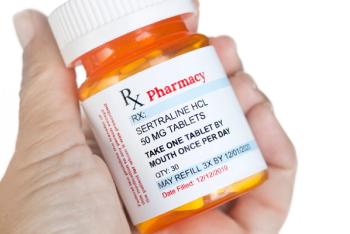
The initiatives have intensified discussion surrounding the use of SSRIs, their discontinuation, and broader approaches to mental health care.

Pharmacists guide evidence-based medication care as AI, regulation shifts, and new therapies rise.

A strategic framework for pharmacists to successfully appeal prior authorization denials through evidence-based documentation, proper coding, and systematic follow-up to ensure patient medication access.

ENVISION trial shows mitomycin intravesical solution after TURBT delivers durable control in recurrent NMIBC, with 72% event-free at 24 months.
Education, safety protocols, and evolving responsibilities are transforming the role of pharmacy technicians in cancer care.

Pharmacy Times interviews Renee’ Acosta, R.Ph., M.S., on how pharmacy technicians can recognize when patients should be referred to a pharmacist or physician instead of self-treating with OTC products, and how to help patients avoid risks associated with combination products such as duplicate ingredients.

Bispecific antibodies show strong efficacy in relapsed/refractory lymphoma and early promise in frontline combination settings.
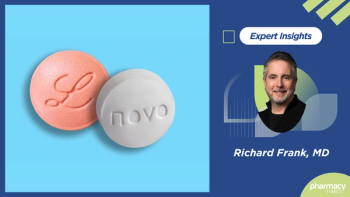
A new oral GLP-1 therapy could reshape obesity treatment by improving access, convenience, and patient uptake compared with injectable options.

New findings presented at the World Congress of Nephrology detail how chronic kidney disease (CKD) drives progressive muscle loss and cognitive decline.
New CMS prior authorization timelines highlight major infrastructure gaps while underscoring the link between access, affordability, and medication adherence.

A hantavirus outbreak aboard a cruise ship is raising urgent concerns about the dangers of this rare but deadly rodent-borne virus.
The FDA approved the supplemental biologics license for the expansion of IVIG (immune globulin, intravenous) use to children 2 years and older with primary humoral immunodeficiency, enabling earlier treatment and infection protection.


Data from a large New York State analysis found that sickle cell disease hospitalizations are becoming more severe over time, with significant regional disparities in outcomes, costs, and access to specialized care.

The temporary order will allow patients to continue receiving mifepristone via mail or at the pharmacies without an in-person visit to a doctor.
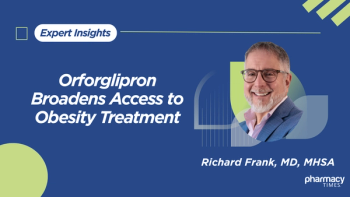
FDA approval of orforglipron may expand access to obesity treatment by offering a more convenient oral GLP-1 therapy option.
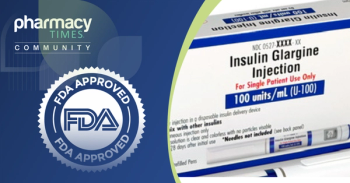
The interchangeable designation allows pharmacists to substitute Langlara for Lantus at the point of dispensing without prescriber intervention, a distinction that carries significant clinical and operational implications for pharmacy practice.

Ambulatory pharmacists can address mental health gaps, tackle stigma and SDOH, and power collaborative care, improving adherence and patient quality of life.
During Hepatitis Awareness Month, learn why hepatitis B vaccination and one-time screening help prevent silent infection and cut liver cancer risk.

Over a 10-year duration, these key elements have made a tremendous difference throughout a residency program.

Social media has allowed us to connect with generations of pharmacists and provide advice to students on a larger scale.
Optimizing biomarker testing workflows and pharmacist involvement can improve precision oncology decision-making in non–small cell lung cancer.
Jordan Hill, PharmD, BCOP, talks about the impact of the updated NCCN guidelines for triple negative breast cancer.

New NCCN updates make sacituzumab govitecan a preferred first-line option in metastatic TNBC. Jordan Hill, PharmD, BCOP, explains the impact.