
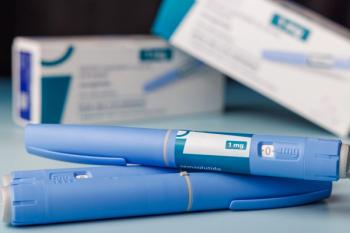
The misinformation is rampant, the adverse effect expectations are wildly off, and the patient psychology is complex.
The misinformation is rampant, the adverse effect expectations are wildly off, and the patient psychology is complex.
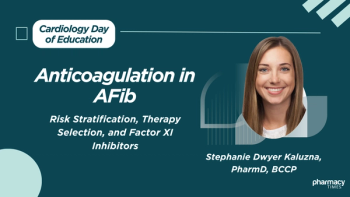
Stephanie Dwyer Kaluzna, PharmD, BCCP, discusses atrial fibrillation (AFib) anticoagulation risk stratification, therapy selection, and the emerging role of factor XI/XIa inhibitors.
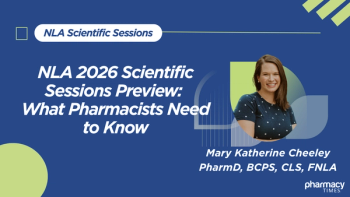
Mary Katherine Cheeley, PharmD, BCPS, CLS, FNLA, highlights key data and events at the 2026 NLA Scientific Sessions.
Craig Beavers, PharmD, shares his initial thoughts on the new 2026 CKM guidelines, which highlights a landmark shift in cardiovascular care.

Temperature differences between exhaled air and ambient environments significantly affect how respiratory aerosols disperse.
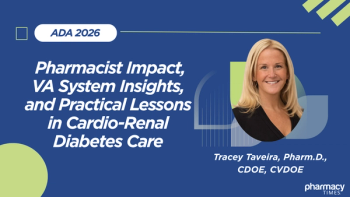
Pharmacy Times interviews Tracey Taveira, Pharm.D., CDOE, CVDOE, to discuss pharmacist impact, VA system insights and practical lessons in cardio-renal diabetes care that she discussed in her presentation at ADA 2026.
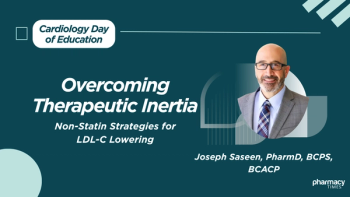
Joseph Saseen, PharmD, discusses how pharmacists can overcome therapeutic inertia and sequence nonstatin therapies to help patients reach individualized LDL-C goals.

Chai Discovery’s collaboration with Eli Lilly highlights the growing role of AI in biologics discovery, leveraging generative AI models to accelerate design and optimization of novel therapeutic proteins and antibodies.

Advances in Alzheimer disease diagnosis and treatment are reshaping care, highlighting the pharmacist’s role in medication management, patient education, and overcoming barriers to access.
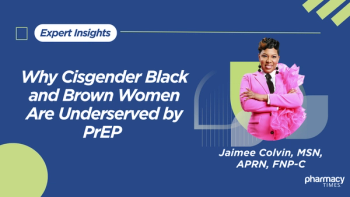
Cisgender Black and Brown women remain significantly underserved by PrEP due to provider knowledge gaps and medical mistrust.

Although evidence supports safety of apixaban and rivaroxaban relative to warfarin, researchers had not directly compared their bleeding risk until last year.

A simple formula reveals why time—not income—is the most powerful wealth-building tool available to pharmacists.
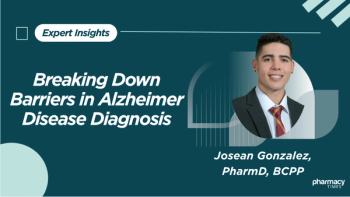
Gonzelez describes advances in Alzheimer disease diagnostics and disease-modifying therapies and highlights the critical role pharmacists play in medication management, caregiver education, and improving treatment access.
Pharmacy Times speaks with Joyce Lee, PharmD, APh, FCCP, BCPS, BCACP, CDCES, to breakdown the diabetes education gap that clinicians can't afford to ignore.

Giants of MS is one of the field’s most prestigious honors, awarded at the 2026 Consortium for MS Centers (CMSC) 2026 Annual Meeting.

A landmark joint guideline on cardiovascular-kidney-metabolic syndrome offers clinicians a comprehensive, stage-based road map for screening, prevention, and treatment of an increasingly prevalent interconnected condition.
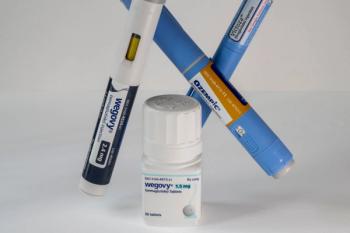
High-dose oral semaglutide pills boost A1C control and double-digit weight loss in diabetes and obesity trials, offering injectable-level results with daily convenience.
Jessica Dunne, PhD, discusses why adult T1D is frequently misdiagnosed as T2D and how autoantibody testing could close the diagnostic gap.
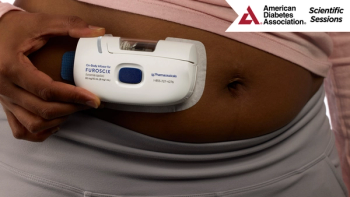
A post hoc analysis of the AT HOME-HF trial found lower hospitalization rates and longer time to admission among patients with diabetes treated with subcutaneous furosemide compared with usual care.

Patients deserve more than marketing. They deserve context.

Josean Gonzalez, PharmD, BCPP, discusses the expanding role of pharmacists in Alzheimer disease care, Baptist Health South Florida’s multidisciplinary approach, and the promise of emerging therapies for patients with cognitive disorders.

Infection following CAR T-cell therapy is a common and clinically significant complication driven by prolonged immune dysregulation, cytopenias, and hypogammaglobulinemia, requiring phase-based risk awareness and proactive preventive management across the treatment continuum.

Alongside medication-specific counseling points, pharmacists can emphasize the importance of a therapeutic home environment.

The Centers for Medicare & Medicaid Services Innovation Center was born to create positive disruption to the financing and delivery of care. Its latest program may be the most likely to succeed (or fail).

Cannabinoids may offer modest, condition-specific analgesic benefits as adjunctive therapy in select chronic pain populations, but current evidence supports a limited role due to inconsistent efficacy, heterogeneity in studies, and safety and pharmacologic concerns.
At Duke Neurological Disorders Clinic, Jenelle Hall Montgomery, PharmD, BCACP, CPP, isn’t just advising on medications—she’s prescribing them, switching them, and managing the full arc of a patient’s therapy.

Vertanical's investigational cannabis-derived therapy VER-01 received FDA breakthrough therapy designation after positive phase 3 data demonstrated significant pain reduction and improved tolerability in patients with chronic low back pain.

Medicare’s MTF underpays pharmacy dispensing fees, forcing losses on Part D claims and threatening rural access unless CMS sets realistic, inflation-indexed rate floors.
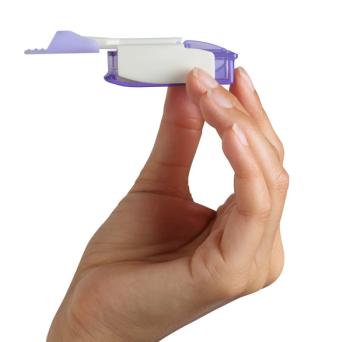
A poster presented at the 2026 ADA Scientific Sessions underscores the importance of individualized dose titration for patients with type 1 diabetes (T1D) utilizing Technosphere inhaled insulin.
Pharmacy Times speaks with Sanjay R. Patel, MD, about the clinical significance of the phase 3 AD109 data and the evolving role of pharmacologic therapy in obstructive sleep apnea.