

Open to all health care professionals, the PQA meeting is a top forum for learning best practices and emerging trends in medication services, pharmacist-provided care, and quality improvement initiatives.
Open to all health care professionals, the PQA meeting is a top forum for learning best practices and emerging trends in medication services, pharmacist-provided care, and quality improvement initiatives.
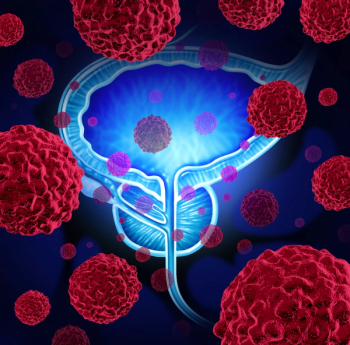
Among somatic mutations, approximately 89% of patients with metastatic castration-resistant prostate cancer have a potentially actionable mutation.
Hematology/Oncology Pharmacy Association plans to develop tools and resources to support those conducting research in the oncology pharmacy field, with the goal of promoting pharmacist-led research and improving the ability to analyze difficult scientific questions.

Patient interactions became vastly different during the pandemic, with questions surrounding how to coordinate contact and how to best provide pharmacy services virtually, including counseling, fielding drug information questions, medication reconciliation, and providing home medication sheets to families

Olaparib and niraparib both show promise in the maintenance treatment of ovarian cancer, though they may each be appropriate for different patient populations.
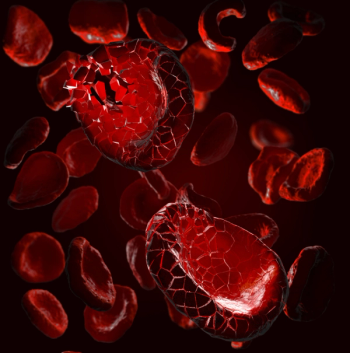
Pharmacokinetic differences in pediatric patients should be considered when administering direct oral anticoagulants, as should potential administration difficulties when pellets or oral solutions are not available.
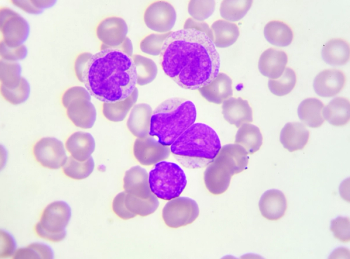
Selection of any BTK inhibitors for mantle cell lymphoma should consider factors such as cardiovascular or bleeding risks, predisposition for gastrointestinal adverse effects, and potential medication nonadherence.
CLL is the most common leukemia in adult patients in the western world, with 21,040 estimated new cases in 2020.
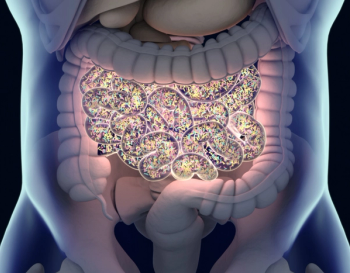
For unresectable gastrointestinal stromal tumors, the introduction of imatinib revolutionized treatment.
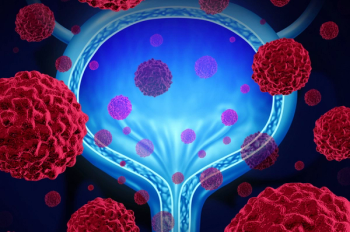
Urothelial carcinoma is the sixth most common cancer diagnosis in the United States, with an estimated 81,400 new diagnoses in 2020 and 17,980 deaths.

Oral chemotherapies can be effective treatments for children with low-grade gliomas, although clinicians should consider available formulations and administration schedules.
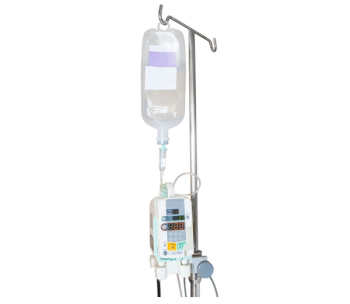
Home infusion within the larger ambulatory infusion setting poses some specific advantages and disadvantages in relation to the other location options available.
In each trial, overall response rate and median progression-free survival in the novel treatment arm showed significant improvement over the sunitinib treatment arm in patients with renal cell carcinoma.

Lakesha M. Butler, PharmD, BCPS, diversity and inclusion coordinator and clinical professor at Southern Illinois University Edwardsville, discussed causes of health inequity and how pharmacists can prevent and mitigate them to improve patient outcomes.

A drug recycling program can help increase patient access and minimize waste of expensive oral cancer medications.
Promising investigational oncology drugs include oral taxanes, small molecule drugs, and immunotherapies.
Common factors that contributed to reported increased dissatisfaction at work include role conflict, quantity of work, workflow disruptions, organizational culture, and leadership support.
Even while therapeutically anticoagulated, patients with cancer have risk factors for recurring venous thromboembolism and bleeding, according to a session at the Hematology/Oncology Pharmacy Association 2021 Virtual Annual Conference.

A session at the Hematology/Oncology Pharmacy Association Virtual Annual Conference provided an overview of how treatment options are changing with potential new therapies in development for patients with non-small cell lung cancer.

A presentation at the Community Oncology Alliance 2021 Virtual Conference focused on the latest developments in gastrointestinal oncology and how the field of gastroesophageal cancer is responding to 3 major, practice-changing trials.

For the future of precision medicine, many health care providers hope to see a flood of new therapies for biomarker testing to be approved in the next few months.
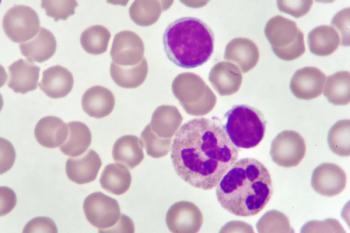
In a presentation at the Community Oncology Alliance 2021 Virtual Conference, Jeff Sharman, MD, summarized the most important developments in care for CLL.

Over the past 18 months, the FDA has approved 4 new regimens for HER2-positive metastatic disease.

The data were presented for the first time at the virtual 2021 American Association for Cancer Research (AACR) Annual Meeting, April 10-15, 2021.

In the United States, non–small cell lung cancer accounts for 80% to 85% of all lung cancers, with most patients initially diagnosed with advanced or metastatic disease.

A session at the Community Oncology Alliance virtual 2021 conference noted that clinical trials have found promising new treatments for patients with breast cancer, offering opportunities for future new approvals and indications.

In patients who received early palliative care, researchers noted a lower percentage of patients with depression, improved quality of life, and, significantly, longer survival.

Panelists at the Community Oncology Alliance (COA) virtual 2021 conference said the impacts of the pandemic on their day-to-day operations were challenging, although they all said they were proud of how their staff handled the rapid changes in spring of 2020.

Although many attendees and presenters are looking forward to returning to in-person conferences in the future, Anne Krolikowski said the virtual format of their upcoming conference allows even more people to attend.

Staying educated in the formal and informal health care settings surrounding state-of-the-art cancer care in the community practice is essential for success.