

Pharmacists can improve patient access to both healthful foods and necessary medicines as a continuum of care in underserved communities.
Pharmacists can improve patient access to both healthful foods and necessary medicines as a continuum of care in underserved communities.

Session at NACDS Total Store Expo discusses minor changes that retail companies can make to mesh artificial intelligence into their work to increase sales, improve margins, and lower costs.

Entrepreneurs and healthcare retailers can support pharmacists by digitizing the recommendation model and closing the diagnostic gap.

Educator and pharmacy advocate encourages pharmacists to work together to improve the scope of the profession and patient access to services.

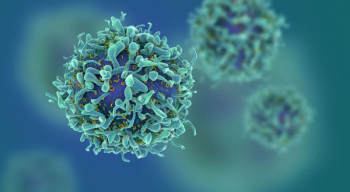
Early safety studies of NK-cell infusion have demonstrated the potential of NK-cell infusion, showing it may be the next revolution in cancer treatment.
Data suggest the therapy can induce prolonged clinical benefit, even after treatment discontinuation.

There are currently no effective treatments for CIPN prevention.

Managing cost savings can soften the blow of direct and indirect remuneration fee reform that will impact pharmacists during the first half of 2024.

These data support a paradigm shift in the treatment of locally advanced rectal cancer.

For many patients with C diff, the experience of medical gaslighting is a common one because many health care providers lack education and familiarity with the disease.
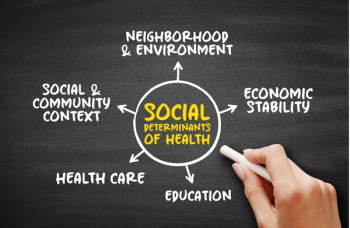
Specialty pharmacists can have more contact with patients than providers.
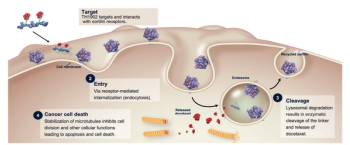
FRα expression is limited on normal cells, but upregulated in ovarian cancer cells.

Neither of the 2 current standards of care offers patients a cure.
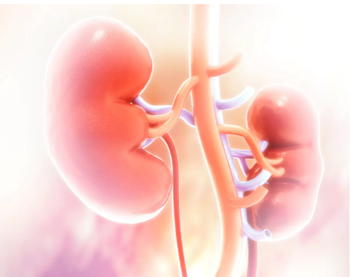
With approximately 2 years of additional follow-up, lenvatinib plus pembrolizumab maintained robust effectiveness for nearly every patient.

The phase 3 S1826 trial is the largest Hodgkin lymphoma study in NCTN history.

A panel at the Advanced Topics for Oncology Pharmacy Professionals Summit discusses strategies to address patients’ fears and distrust of the medical and scientific community.

Effective implementation of the Inflation Reduction Act may allow legislators to shift their focus toward controversial pharmacy benefit manager practices, according to a panel discussion during the ATOPP Summit.

Because of its prevalence in approximately 50% of breast cancers, the outcomes of HER2-low treatment have a significant impact on patient outcomes.
Updated phase 3 trial data provide practice-changing findings.

These study results may inform clinical practice strategies this year and beyond.

Community health worker training can allow the technician to perform to the top of their abilities and improve access to the pharmacy’s public health services.

In a study of individuals with Medicare, the incidence of type 2 diabetes was associated with approximately $30,000 to $98,000 excess lifetime medical expenditures.
COVID-19 is helping to shape current pharmacy practice, including increased vaccinations, access to care, and better interactions with patients.

The American Society of Clinical Oncology (ASCO) Annual Meeting includes updates from some of the most important clinical trials being conducted in the field of oncology.

Showing up for oneself is showing up for one's community and patients, according to a female independent pharmacy business owner.

McKesson ideaShare 2023 recognized pharmacy technicians with a technician-focused continuing education (CE) session, roundtable, and honorary reception.

During the pandemic, many community pharmacists also gained the authority to provide routine vaccinations for child populations.

Pharmacies should start to prepare for cash flow challenges when the direct and indirect remuneration changes in 2024.

Common assumptions about each generation are often incorrect, according to an expert in generational research.
The results of the study were presented at the 83rd Scientific Sessions of the American Diabetes Association in San Diego, California and were also published in The Lancet.