

Rilzabrutinib gained FDA approval as the first BTK inhibitor for chronic immune thrombocytopenia, offering new hope for patients with persistent symptoms.
Rilzabrutinib gained FDA approval as the first BTK inhibitor for chronic immune thrombocytopenia, offering new hope for patients with persistent symptoms.

The subcutaneous injection for maintenance treatment enhances accessibility and reduces infusion time for patients.

The FDA has approved a ready-to-use long-acting injectable formulation that is administered every 3 months as a treatment for advanced prostate cancer.

The action is supported by 3 ongoing clinical trials, which are evaluating izalontamab brengitecan (iza-bren) in non–small cell lung cancer (NSCLC) and other diseases.

Allison Hill, PharmD, RPh, emphasized that pharmacists must stay updated on ACIP and state-level guidance following HHS’s changes to COVID-19 vaccine authorizations.

The FDA updated sparsentan's REMS, easing monitoring requirements, enhancing treatment access for IgA nephropathy patients, and supporting kidney function preservation.
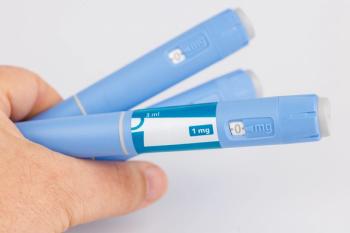
Generic liraglutide injection is the first GLP-1 indicated for weight loss.

Orforglipron is an effective treatment, leading to significant body weight reduction and improved glycemic control.

The FDA suspended the biologics license for Ixchiq, the first approved chikungunya vaccine, after reports of serious adverse events and fatalities.
The action follows phase 3 trial data that demonstrated reduced phlebotomy dependence, improved hematocrit control, and eased symptoms.

Evolocumab is now indicated for adults at increased risk for major adverse cardiovascular events (MACE).

The FDA approves donidalorsen, the first RNA-targeted therapy for hereditary angioedema, offering significant attack reduction and convenient administration.

Signos CGM empowers users to manage weight effectively through personalized insights and real-time glucose tracking.
The complete response letter (CRL) stated that vatiquinone's new drug application (NDA) did not provide substantial evidence of efficacy and would need to be evaluated in a new trial.

Plozasiran significantly reduces triglyceride levels and pancreatitis risk in FCS patients, offering hope for effective treatment options.

FDA approves a new liquid formulation of losartan for hypertension treatment, enhancing accessibility for adults and children over 6 years old.
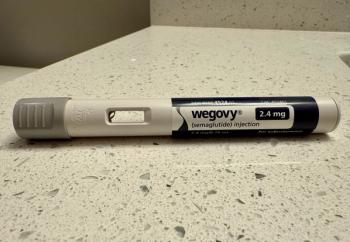
FDA approves semaglutide for treating MASH, offering new hope for affected individuals.
FDA approves Tonmya, the first new fibromyalgia treatment in 15 years, offering hope for effective pain relief and improved quality of life.

The designation is supported by promising results from the ongoing phase 1/2 BEACON clinical trial.

Brensocatib emerges as the first FDA-approved treatment for non-cystic fibrosis bronchiectasis, revolutionizing care and targeting chronic inflammation.

NRX-100 receives FDA fast track designation, offering hope for treating suicidal ideation in depression and bipolar disorder, addressing a critical health crisis.
The action follows 2 FDA-issued complete response letters.

The action is supported by positive safety and efficacy findings from the phase 1a/1b first-in-human Beamion LUNG-1 trial.

Birelentinib gains FDA fast track designation, offering hope for relapsed CLL/SLL patients resistant to current BTK and BCL2 therapies.

The FDA approves dordaviprone, the first systemic therapy for H3 K27M-mutant diffuse midline glioma, offering hope for patients with limited options.
The FDA expands tocilizumab-anoh's approval for treating cytokine release syndrome (CRS), enhancing treatment options for patients aged 2 and older.

The FDA approved fremanezumab for pediatric migraine prevention, offering a new treatment option for children and adolescents aged 6 to 17 years.

The FDA approves aceclidine ophthalmic solution 1.44%, the first aceclidine eye drop for presbyopia, offering a new solution for millions struggling with near vision loss.

FDA approves inclisiran as a monotherapy to effectively lower low-density lipoprotein cholesterol in adults with hypercholesterolemia, enhancing heart disease prevention strategies.

The approval builds upon concizumab’s previous December 2024 clearance and allows for treatment in patients with hemophilia A or B, both with or without inhibitors.