




Women's Health
Latest News
Advertisement
Latest Videos




Shorts
0:40
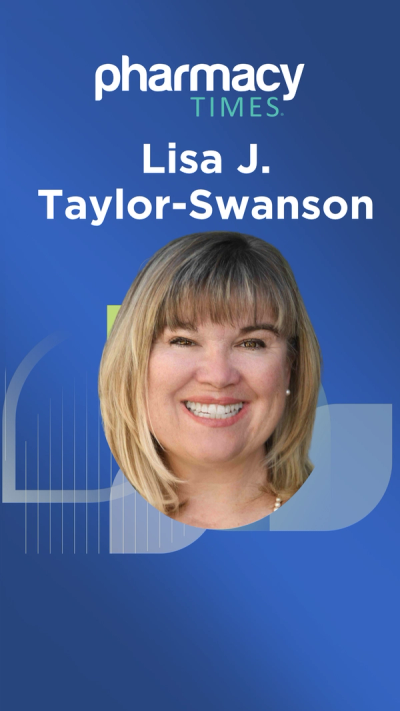
Lisa J. Taylor-Swanson Describes "Nuts and Bolts" Sessions at TMS 2025
a year ago
by
Lisa J. Taylor-Swanson, PhD, LAc, Dipl OM (NCCAOM)(+1 more)

0:30
Findings Indicate Low Risk of Liver Dysfunction With Elinzanetant in U.S. Menopausal Population
a year ago
by
James Simon, MD, CCD, MSCP, IF, FACOG(+1 more)
Podcasts






Advertisement
More News

New data link T2DM and prediabetes to more numerous, more severe symptoms, especially postmenopause.

A 61,000-woman Danish cohort found overweight or obesity trajectories from 6 years of age tracked with lower odds of childbirth by the mid-20s.

Every additional access point—a pharmacist trained to screen, counsel, and, where authorized, initiate or manage therapy—is a smaller referral bottleneck.

Pharmacists are well positioned to clear the confusion on treatments for menopause through evidence-based counseling and individualized symptom management.

FDA-cleared HPV self-collection kits like Teal Wand expand cervical cancer screening; pharmacists support follow-up, HPV education, and Gardasil.

As options expand, pharmacists play an increasingly important role in working collaboratively with prescribers and patients to deliver individualized, evidence-based care.

A new toxicological risk assessment builds on 2024 findings that raised consumer concern, offering pharmacists reassuring data to share with patients.

Physicians oversee prescription medications the patient is taking, but OTC products bypass this system, and patients are often unaware of what can and cannot be taken.
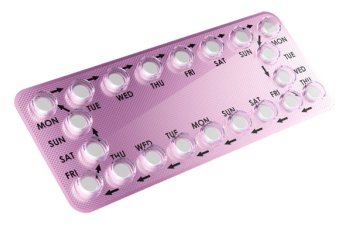
Danish study links meningioma risk to progestogen contraceptives, including injectable depot medroxyprogesterone acetate and levonorgestrel intrauterine devices.

PCOS becomes PMOS, spotlighting metabolic and endocrine risks.

At ACTHIV 2026, Jaimee Colvin, MSN, APRN, FNP-C, outlined how provider knowledge gaps, entrenched stigma, and a lack of culturally representative outreach continue to drive the PrEP disparity among cisgender Black and Brown women.

What began as a modest survey has grown into one of the most trusted barometers of frontline pharmaceutical expertise in the country.

A post hoc analysis of ATTAIN-1 and ATTAIN-2 presented at ADA 2026 found orforglipron (Foundayo) significantly reduced body weight and waist circumference in women regardless of menopausal stage.

Clinical pharmacists may play an increasingly important role in longitudinal metabolic care, medication optimization, patient education, and multidisciplinary peptide management.

The ruling comes after weeks of uncertainty for patients, health care providers, and pharmacists about how and whether they could access and distribute the drug.

Pharmacists can guide the appropriate use of nonprescription therapies, reinforce recommended prevention strategies, and encourage patients to seek medical evaluation when warranted.

PMOS to replace PCOS, highlighting metabolic and endocrine roots and a 3-year global rollout aimed at faster diagnosis and better care.

Discover how pharmacists guide women through sensitive health needs, improving outcomes in every community.

New Yale University research offers reassurance for pregnant patients and their clinicians, although evidence of lasting structural damage remains a concern.

The research highlights the influence of hormonal changes on treatment selection and the need for more tailored, life stage–specific care.

Emerging data find buprenorphine in pregnancy matches methadone for autism and ADHD risk, supporting safer opioid MOUD access in pharmacy care.


PCOS in female athletes often goes unrecognized due to atypical presentations, requiring careful differentiation, individualized management, and a multidisciplinary approach to protect both performance and long-term health.

Pharmacists guide women through updated menopause hormone therapy labels, rising demand, patch shortages, and personalized risk-benefit counseling.

A Response to “We Can Do Better: Educating on Perimenopause and Menopause Is a Good Thing,” Published in November 2025
Advertisement
Advertisement
Trending on Pharmacy Times
1
CKM Syndrome Stage Linked to CKD Odds, But Primary Care Hurdles Remain
2
Flu Vaccination Linked to Fewer Severe Outcomes in Older Adults, Fewer ED Visits in Children
3
FDA Approves Awiqli, Once-Weekly Insulin, for Children Aged 10 Years and Older With T2D
4
Combined Cardiometabolic Biomarker Burden Tracks CKM Progression
5