




Women's Health
Latest News
Advertisement
Latest Videos









Advertisement
More News

Panelists discuss how health care professionals support medication adherence through personalized strategies, communication, and technological aids, while evaluating menopause therapy effectiveness via regular assessments, standardized tools, and comprehensive patient-centered approaches.
Panelists note how medical professionals discuss menopause therapy, addressing symptoms, treatment options, safety concerns, adverse events, and personalized management strategies through patient-centered care. Professionals prioritize transparent communication, comprehensive risk assessment, and collaborative decision-making to ensure patient comfort and optimal management of menopausal transition.
Panelists discuss how health care professionals recommend lifestyle modifications, dietary changes, and OTC products to manage menopause symptoms, focusing on exercise, nutrition, stress reduction, and targeted supplements to support overall well-being during this transitional period.
Panelists discuss how health care professionals develop personalized menopause management strategies by comprehensively assessing individual medical history, symptom profiles, lifestyle factors, and potential risks. Through transparent, collaborative counseling, they guide patients in making informed decisions about pharmacologic therapies, prioritizing personalized care and holistic well-being.
Compared with daily oral iron, a single intravenous (IV) infusion of iron was shown to lower rates of low birth weight in infants and decrease reliance on further iron supplementation or transfusions in pregnant patients with anemia.
Panelists discuss how menopause care requires a holistic, patient-centered approach involving thorough medical assessment, interdisciplinary collaboration, personalized risk management, and comprehensive support addressing physical, psychological, and preventive health care needs.
Panelists highlight how effective communication requires health care professionals to demonstrate empathy, actively listen, provide evidence-based information, and develop individualized treatment strategies that address the physical and psychological aspects of the menopausal transition.

If approved, gepotidacin (GSK) will be a new oral agent added to the treatment paradigm for urinary tract infections (UTIs).

Radon exposure during pregnancy was significantly linked to increased odds of gestational diabetes.
Panelists discuss how health care professionals recommend physician consultations for persistent symptoms, complex medical histories, diagnostic uncertainties, specialist needs, urgent conditions, preventive care, medication management, and comprehensive health assessments.
Panelists explain how health care professionals evaluate menopause symptoms using validated questionnaires, symptom tracking, clinical interviews, hormonal tests, and patient-reported outcome measures to comprehensively assess severity and quality-of-life impact.

Pharmacists must consider drug Interactions, allergies, and comorbidities when treating patients with urinary tract infections (UTIs).

The authors note that this lack of inclusion can leave important safety and efficacy questions unanswered.

Levonorgestrel-releasing intrauterine devices were not found to increase women’s risks of these conditions.
Panelists discuss how menopause represents a complex physiological transition characterized by hormonal fluctuations, reproductive system changes, and multifaceted symptoms affecting physical, psychological, and metabolic health. Comprehensive patient education, personalized management strategies, and holistic support are crucial for navigating this transformative life stage.
Panelists discuss how pharmacists play a crucial role in optimizing health outcomes for women with complex health needs through comprehensive medication management, personalized consultations, and interdisciplinary collaboration. They provide targeted medication therapy, monitor drug interactions, offer medication counseling, manage chronic conditions, support reproductive health, and help patients navigate complex treatment regimens with expertise and compassionate care.

Pharmacists play a vital role in supporting patients with endometriosis through guidance on treatment options and managing side effects.

These findings may lead to new therapies to help reduce the risk of heart disease in women who are at risk.

Currently, the Cadherin-6 targeting antibody-drug conjugate is undergoing evaluation in a phase 1a/1b clinical trial.
Panelists discuss how health care professionals collaborate through interdisciplinary teams, integrated care coordination, and life cycle-specific approaches to provide comprehensive women’s health care, addressing gaps by implementing patient-centered, culturally sensitive models that prioritize holistic well-being across different life stages.
Panelists discuss how menopause marks a significant life transition, characterized by hormonal decline, reproduction cessation, and unique physiological changes requiring medical and emotional support. Health care professionals guide women through life’s reproductive stages, providing comprehensive health care from menarche to post menopause, focusing on individualized prevention of symptom management, and holistic well-being across hormonal transitions.
Panelists discuss how menopause marks a significant life transition, characterized by hormonal decline, reproduction cessation, and unique physiological changes requiring medical and emotional support. Health care professionals guide women through life’s reproductive stages, providing comprehensive health care from menarche to postmenopause, focusing on individualized prevention of symptom management and holistic well-being across hormonal transitions.

Pharmacists can recommend vitamin D supplements and vitamin D-rich foods to support healthy pregnancy outcomes.
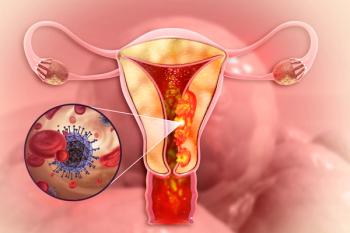
The indication is for patients with endometrial cancer who may benefit from treatment with ACR-368 (Acrivon Therapeutics).

The therapeutic vaccine could provide patients with a non-surgical alternative to traditional treatment approaches.
Advertisement
Advertisement
Trending on Pharmacy Times
1
Finerenone Expands MRA Options as Pharmacists Address Underrecognized HFpEF
2
Researchers Target Viral Fusion for Universal Flu, HIV Vaccines
3
Finerenone in Heart Failure: Evidence and Practice a Year Later
4
FDA Approves Zilucoplan Autoinjector for Myasthenia Gravis
5