

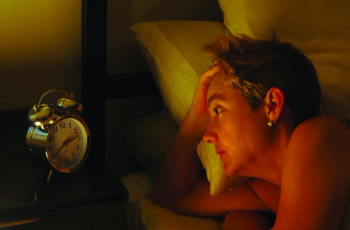
Investigators at Stanford Medicine find that 72% of individuals who took the highest dose of ON-SXB were considered much or very much improved.
Investigators at Stanford Medicine find that 72% of individuals who took the highest dose of ON-SXB were considered much or very much improved.
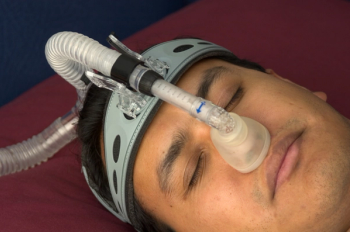
There are several types of sleep apnea, but the most common is obstructive sleep apnea.
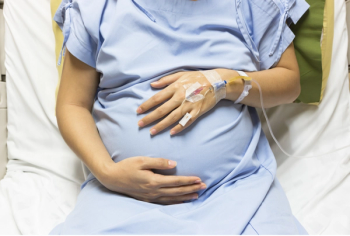
Study suggests that lack of sleep in the first 6 months following childbirth can add between 3 and 7 years to the mother’s biological age.
Inspiratory muscle training was originally devised to be used by athletes and individuals with breathing problems such as chronic obstructive pulmonary disease, asthma, and bronchitis.
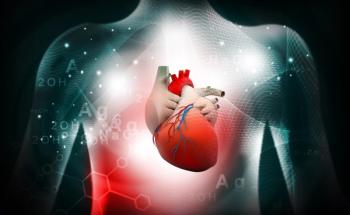
OSA is associated with cardiovascular disease in adults, but less is known about how the condition affects the immediate and long-term heart health of children and adolescents.
According to Fenn, these numbers are significant when considering the types of errors that are likely to occur in sleep-deprived operators, such as surgeons or police officers, and the 4% decrease in errors could potentially save lives.
Eligible participants at baseline had more than 1 year of continuous insurance coverage, allowing gaps less than 90 days, and were free of CVD 1 year prior to OSA diagnosis.
Study indicates that some instrumental music is more likely to cause earworms and disrupt sleep quality compared with lyrical music.
The study authors examined data from the Health and Retirement Study, which included 2496 individuals who were at least 51 years of age.
The researchers found that the effect of fatigue from sleep disruption increased among patients with diabetes.
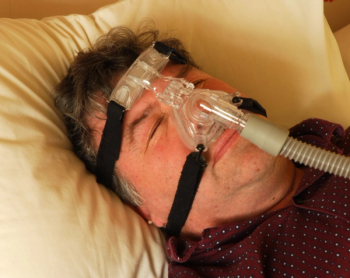
Individuals affected by sleep disorders accumulated approximately $7000 more in overall health care expenses per year compared to those without a sleep disorder.
The research sheds light on the biopsychological process that can lead to poor grades, withdrawal from classes, and even students who drop out, whereas 40% of freshman do not return to their university for a second year in the United States.
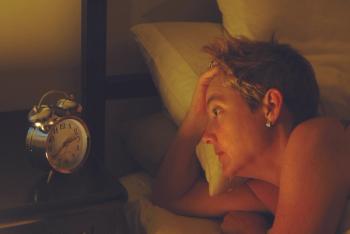
The COVID-19 pandemic has been linked to a 44% increase in insomnia disorder among health care workers at a medical-school affiliated health system, according to a study published in the Journal of Clinical Sleep Medicine.
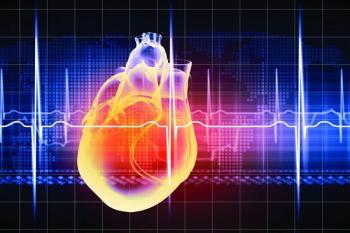
Nocturnal respiratory events, when they either completely or partially block the airways, often cause repeated oxygen desaturations and interrupted sleep in patients with OSA, leading to abnormal nervous system function.
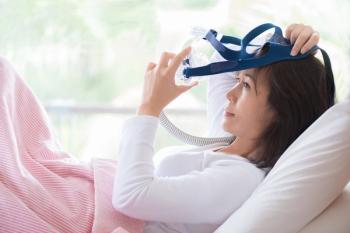
People who used positive airway pressure therapy were less likely than others to receive a new diagnosis of dementia or mild cognitive impairment over the next 3 years.
Although the technology to remotely connect physician and patient has been in place for years, its use was limited until the spread of COVID-19.
Addressing sleep symptoms during menopause may reduce susceptibility to weight gain.
Adverse effects, such as strange dreams, insomnia, and sleep disorders may be more likely for patients with a history of cardiovascular health issues.
Cognitive impairment includes memory and thinking problems that affect concentration, decision making and learning new things, which increases as people grow older.
Those whose waking time varies from day to day may find themselves in as much of a foul mood as those who stayed up extra late the night before, or who got up extra early that morning, according to the study authors.
Studies have shown that sleep benefits infants’ memories and general cognitive and emotional development.

This week on Pharmacy Times, there are a number of important topics that will be covered and posted throughout the week.

Because there are multiple sources for concussion-like symptoms, student-athletes’ post-concussion care should zero in on which symptoms are specifically caused by the injury and which may be caused by other issues.
Frequent nightmares were not associated with heart medications and sleep-disordered breathing, but were linked with depression, anxiety, and insomnia.
A new study suggests abnormal sleep architecture can be a predictor of stress.