


According to 2020 data from the CDC, about 14.5% of adults reported having trouble falling asleep most or every day during the 30 days prior to the survey.
According to 2020 data from the CDC, about 14.5% of adults reported having trouble falling asleep most or every day during the 30 days prior to the survey.

Study finds that probable insomnia disorder was associated with physical health problems and difficulty with anger in veterans.

Risk of long COVID was 3 times higher in those who had pre-existing conditions and a short sleep duration, compared to those with no pre-existing conditions and adequate sleep.
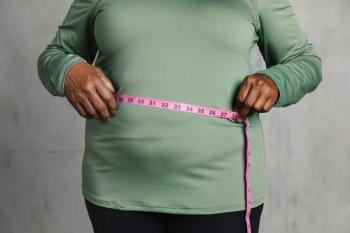
Poor sleep patterns were related to anxiety, depression, body fat gain, and loss of muscle mass in older individuals who are obese.

A study shows a significant increase in left ventricular ejection fraction when using pink noise stimulation with deep sleep.

An overview of antidepressant medications and their indications to inform health care professionals of their wide use and to better understand which antidepressant to recommend based on patient-specific characteristics.

Environmental factors may change sleep patterns over time, which subsequently affects rapid eye movement sleep.
Standard amount of pre-workout should be taken at least 13.2 hours before bedtime to avoid sleep disruptions; however, there was no cut-off time for a cup of black tea.

In addition to identifying strategies to reduce the adverse effects of sleep and circadian disruption, the study authors identify the impact of obesity on sleep.

Hypercortisolemia during the late afternoon and early evening is harmful and believed to cause insulin resistance observed with advanced age.

When children got less than the recommended 9 hours of sleep or took more than 30 minutes to fall asleep, there was a strong link to impulsive behaviors later in life.

Women with myalgic encephalomyelitis/chronic fatigue syndrome for more than 10 years are more likely to have increased severity in their symptoms as they age.

Sleep loss is known to impact key processes such as attention, cognition, learning, memory, metabolism, and immune function.

Although the rate of people with probable insomnia who discussed their sleep habits with a physician was relatively high, the number of people who went on to seek actual treatment was low.
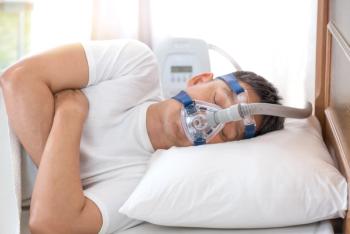
More than 1 billion people suffer from sleep apnea, a condition often associated with snoring.
Social jet lag could create adverse health impacts that a 90-minute difference in the mid-point of sleep can improve.
Despite the improvements in the patients' symptoms, minor adverse effects including urinary urgency and liver-related issues were reported.
The authors of the study said there is limited research investigating the impact of vestibular rehabilitation for individuals with bilateral vestibular hypofunction.
The lowering melatonin levels in patients with heart disease is one example of how heart conditions can influence systems throughout the body.

A study shows the first 2 years of life are a vital time to establish healthy sleep routines in infant children.
The findings showed that interventions to improve sleep could be key to maintaining cognitive function, with investigators calling for further studies.
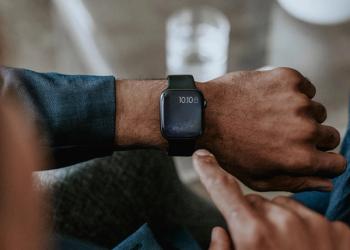
A smartwatch may be able to replace a sleep diary to evaluate falling asleep and waking times for those with insomnia.
Physically active individuals who had fewer than 6 hours of sleep showed faster cognitive decline overall.
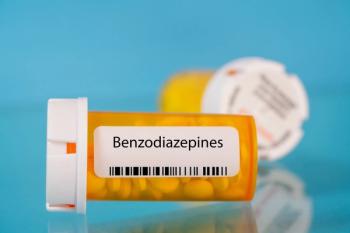
The safety and efficacy of long-term benzodiazepine use beyond the recommended timeframe is not well understood.

The benefits of the survey can stretch beyond assessing the parental acceptability of mental health screenings in children and can suggest areas of optimization in providing these screenings more widely and effectively in the future.