



Respiratory Syncytial Virus
Latest News
Advertisement
Latest Videos





















































































Advertisement
More News

Pharmacists play a crucial role in understanding and responding to these developments, ensuring patients remain informed about the latest advancements and potential threats.
RSV poses a significant threat to high-risk adults, but effective vaccines offer strong protection, highlighting the need for increased vaccination rates and education.
Rising seasonal viruses and emerging concerns emphasize the need for public awareness and prevention.
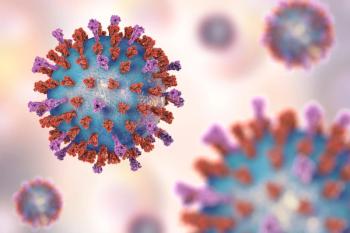
S-337395 demonstrated an 88.4% reduction in viral load and had a statistically significant improvement in clinical symptoms scores.

Antiviral treatments for respiratory viruses such as respiratory syncytial virus (RSV) are crucial, especially with the rise of the "triple-demic."
Approximately 66% of patients received a COVID-19 vaccine in the fall of 2024 and only 26% received a respiratory syncytial virus vaccine.
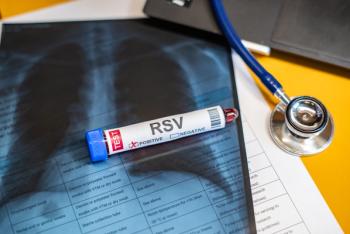
Point-of-care testing implementation could provide valuable data on community respiratory syncytial virus incidence and enhance sentinel surveillance efforts.
mRNA-1345 (mRESVIA; Moderna) has the potential to significantly transform the RSV disease state in 2025, according to data analysts.

These drugs are set to revolutionize their respective disease states in 2025.
Despite these concerns, experts have emphasized that the benefits of RSV vaccination outweigh potential risks for older adults, who are at heightened risk of severe RSV-related illness.
Approximately 61% of individuals said respiratory syncytial virus (RSV vaccination for adults 60 years and older is effective.

Immunocompromised older adults developed fewer antibodies against RSV following vaccination compared with immunocompetent individuals.
Pharmacists are crucial in educating patients, identifying eligible individuals, and promoting uptake of the newly expanded RSV vaccination recommendations for older adults.
Pharmacists are essential in preventing the significant health and economic burden of respiratory syncytial virus (RSV) infections in older adults through vaccination.

Rates of GBS were similar between Arexvy and Abrysvo, at 0.12% and 0.11% of total reported events, respectively.
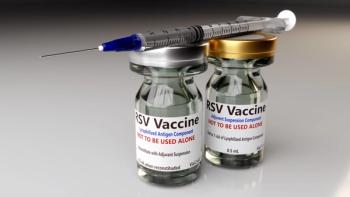
Pharmacists play a key role in vaccination efforts to prevent respiratory illnesses.
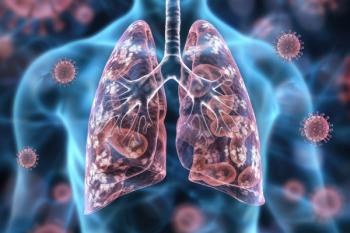
Reduced hospital masking and testing policies increased rates of hospital-onset respiratory infections, including RSV.
Researchers developed a method to stabilize respiratory syncytial virus (RSV) and human metapneumovirus (hMPV) fusion (F) proteins, advancing potential vaccines for both viruses.

Findings highlight the unmet medical need for outpatient interventions and preventive measures that can reduce hospitalizations.
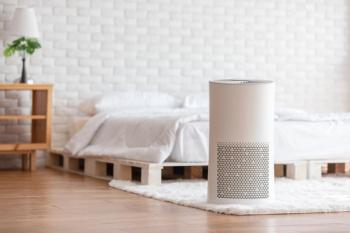
Use of in-room air purifiers with HEPA-14 filters did not result in a significant reduction of acute respiratory infections.

Increasing vaccine coverage among adults at highest risk could lessen associated hospitalizations and severe outcomes caused by RSV.
RSV vaccination is approximately 77% to 81% effective against hospital and emergency department encounters among older adults.
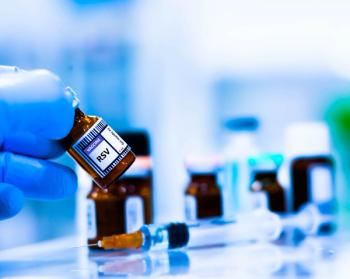
RSV vaccines were 80% effective in preventing hospitalization, ICU admission, and death among adults aged 60 years and older.
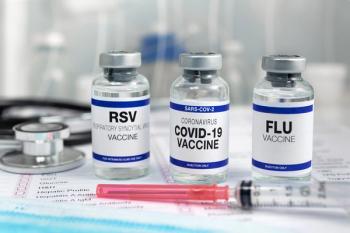
Findings suggest further need to educate the public on receiving an indicated vaccine as we approach peak respiratory syncytial virus (RSV) season.
The approval marks Abrysvo as the first and only RSV vaccine designated for adults younger than 50 that are at increased risk for LRTD.
Advertisement
Advertisement
Trending on Pharmacy Times
1
New Bladder Cancer Regimens Reshape Treatment Across Disease Stages
2
FDA Approves Rebisufligene Etisparvovec as First Gene Therapy for Children With Sanfilippo Syndrome Type A
3
Radioligand Therapy Doesn’t Need to Be Risk-Free—It Needs to Be Worth It
4
FDA Reduces Monitoring Time for First Two Tarlatamab Doses
5