





Respiratory Syncytial Virus
Latest News
Advertisement
Latest Videos

Advertisement
More News
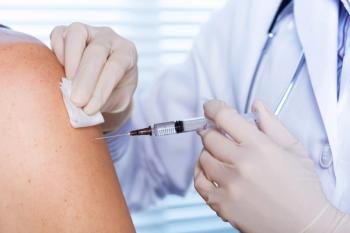
The expanded indication is for the prevention of respiratory syncytial virus-associated lower respiratory tract disease in adults aged 50 through 59 years who are at an increased risk.
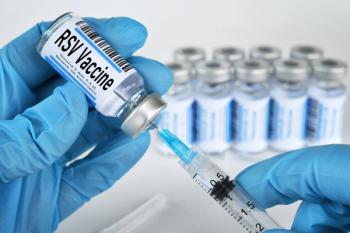
A single dose of the vaccine showed long-lasting protection against RSV-associated lower respiratory tract disease in older adults.

This is Moderna's second mRNA vaccine approval and the first mRNA vaccine approved for an indication other than COVID-19.

The study compares the safety and efficacy of mRNA-1345 compared to placebo.
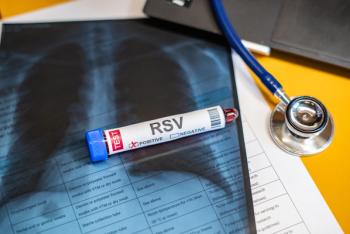
Tools provide a safer testing option without using the viral proteins that cause infection.
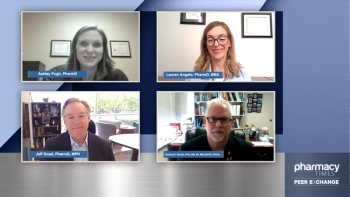
The panelists provide guidance on how pharmacists should advise patients on recognizing RSV symptoms that require urgent medical attention.
Medical experts highlight the importance of clinical decision-making and the pivotal role pharmacies play in initiating conversations and identifying high-risk patients during consultations for new medications.
The results showed that during a 1-month hospital stay, 13% of individuals who experienced RSV-associated acute respiratory failure died.
The panelists address the challenges of administering multiple vaccines to eligible patients, while also discussing the timing and compatibility of administering certain vaccines simultaneously. They emphasize the importance of being receptive to patient concerns and providing guidance on childhood vaccinations for hesitant individuals.
Lauren Angelo, PharmD, MBA, acknowledges the progress made in RSV vaccinations but emphasizes the persistent need to educate at-risk patients about the advantages of vaccination, citing data indicating that many patients are willing to get vaccinated but may require encouragement, and concurs that the lack of physician referral remains a crucial barrier to improving vaccination rates among high-risk groups.
Medical professionals explore social determinants of health, including access to and quality of health care, information sources, community context, and built environment, while also examining the influence of race, ethnicity, language on these factors.
The panelists define vaccine fatigue and identify its primary causes as confusing messaging and the high number of annual vaccinations suggested, emphasizing that the most effective way to combat this fatigue is by tailoring the vaccine information and recommendations to the individual patient's specific needs.

Addressing the long-term effects of RSV in older adults is crucial for public health and patient care.

Prevention of acute cardiac events may be another consideration for future postlicensure studies of RSV vaccines.
Rodney E. Rohde, PhD, SM, SV, MB (ASCP), FACSc, leads a discussion on contraindications for vaccination, such as severe allergic reaction history, acute illness with or without fever, and the optimal timing for vaccination during pregnancy.
Panelists compare the currently available RSV vaccines for adults, considering their target populations, dosing, and administration to prevent RSV infection.
The severity of RSV disease among adults further highlights how crucial vaccine polices and recommendations are.
The results displayed well tolerability and safety with Abrysvo, meeting the study’s co-primary endpoint of immunogenicity and primary safety

Investigators reported a low incidence of adverse events after simultaneous vaccination against seasonal influenza and respiratory syncytial virus.
Calder’s 3D Vaxlock technology attained 11 times more effective immune response, compared to typical comparator.
The adjuvanted RSVPreF3 vaccine could prevent nearly 3 million symptomatic RSV-ARI cases among US older adults over 3 years’ time, according to study results.

Shared decision making with patients is a key component of RSV vaccination, which can bring challenges and opportunities.

The at-home test offers the availability to assess for all viruses using one tool.
Only 9% of older adults who reside in the United States had been vaccinated to protect themselves from RSV this fall and winter.
The finding highlighted the importance of RSV risks among older adults, and aids pharmacists’ awareness when patients are hesitant to receive the RSV vaccine.
Advertisement
Advertisement
Trending on Pharmacy Times
1
Finerenone Expands MRA Options as Pharmacists Address Underrecognized HFpEF
2
Diuretics, eGFR, and Intensive BP Lowering in CKD: What to Watch
3
Researchers Target Viral Fusion for Universal Flu, HIV Vaccines
4
Finerenone in Heart Failure: Evidence and Practice a Year Later
5