































































The investigators note that psilocybin’s effectiveness in treating depressive symptoms and the positive reception among patients with cancer are encouraging continued research.
The investigators note that psilocybin’s effectiveness in treating depressive symptoms and the positive reception among patients with cancer are encouraging continued research.
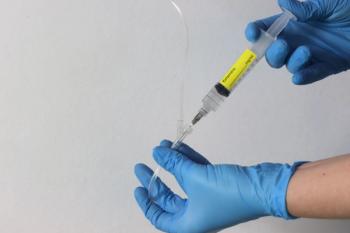
By combining the administration of psychedelic compounds with therapeutic support, ketamine-assisted therapy is proving remarkable efficacy in treating mental health conditions.
Jordan Sloshower, MD, MSc, describes his experience working in several clinical trials investigating psilocybin-assisted therapy.

In the clinical setting, psychedelic medicine has promise as a safe and efficacious treatment for PTSD, TBIs, and other mental health issues.
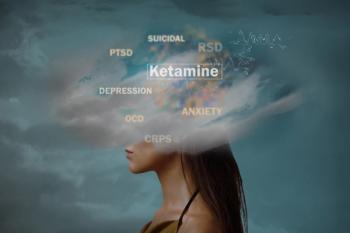
Ketamine topical cream may alleviate symptoms of PTSD without causing the adverse effects and abuse potential often associated with other forms of ketamine administration.
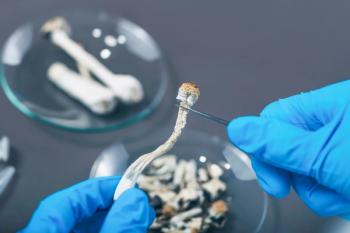
California is possibly on the verge of signing a bill that would decriminalize the personal possession of natural psychedelics for those aged 21 years and older.
Although it has some daunting adverse effects, Glenn Short, PhD, said ibogaine offers unique biological and therapeutic effects.

KET01 could successfully treat treatment-resistant depression while limiting adverse effects in the home environment, according to the study.

The daily oral formulation of ketamine, KET01, has the potential to greatly improve the standard treatment practices for treatment-resistant depression, according to investigators.
Generic ketamine could cost as little as $5, which is significantly lower than the $800 per dose for the currently available S-ketamine nasal spray.
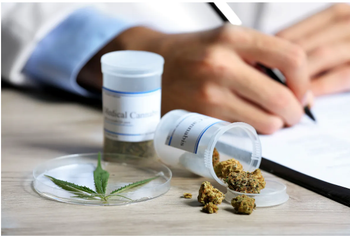
Quality standards and national regulation help to establish its role as medicine.
David Keene, vice president of Digital Therapeutics at atai Life Sciences, discussed the growth and future of digital therapeutics.
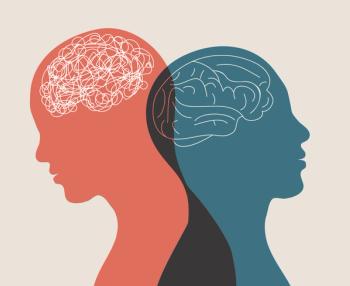
Further research and regulatory changes are needed, but psychedelic medicines may be able to treat or even cure mental illness in the future.
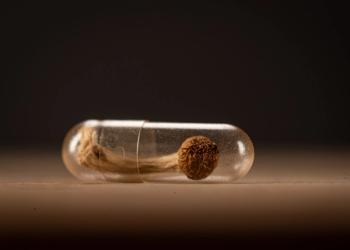
The use of psilocybin and psychedelic therapy can be a helpful tool for individuals with AUD and could have a positive outcome that can result in self compassion.

Renewed focus on the potential this drug can provide patients is upon us as we continue to strive for greater and better care and treatment for patients throughout US health systems.
This month, we have a special crossover episode between Pharmacy Focus: Oncology Edition and the Psychedelic Pharmacy podcast.
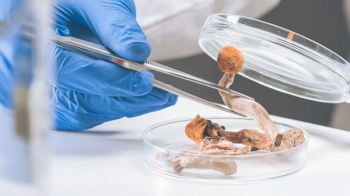
Providing this treatment for patients with cancer may be a smoother transition for oncology professionals than they might expect.

The study will assess the use of the drug to treat impaired social motivation, or asociality, which is a difficult-to-treat symptom of schizophrenia that can cause significant functional impairment.
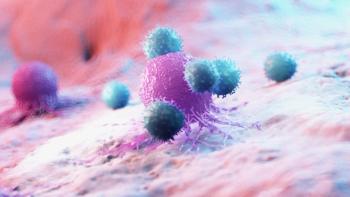
Psilocybin and other psychedelics hold promise in treating anxiety, depression, substance abuse and addiction, posttraumatic stress disorder, obsessive compulsive disorder, headaches, and chronic pain disorders.
Rick Strassman, MD, a clinical researcher, author, and expert in psychedelic medicines, sat down to discuss pharmacists' role in adverse event management.
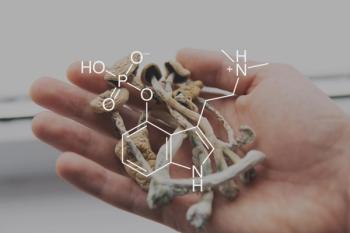
As psychedelic medicine comes further into cancer care, pharmacists will be an important part of the interdisciplinary team in screening and evaluating patients for suitability for psychedelic medicine.
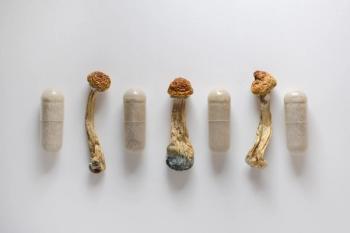
Pharmacists must be involved in managing adverse effects and drug-drug interactions as psychedelic medicines collide with traditional psychiatric treatments.
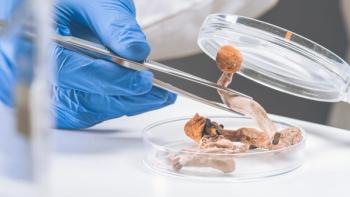
The Aquilino Cancer Center established the Bill Richards Center for Healing inside the same building, so patients with cancer can receive psychedelic-assisted therapy in the same location as their cancer care.
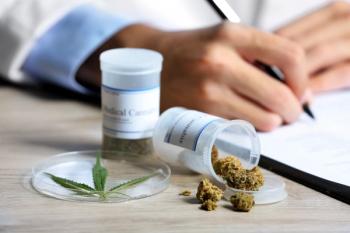
This action is of considerable significance as it supports the regulation of cannabis and cannabis-derived products as medicine under the Federal Food, Drug and Cosmetic Act.
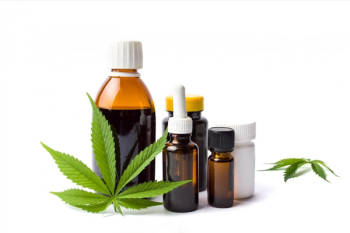
This is the largest known study to consider medical and recreational cannabis policies with US psychosis-related health care claims.