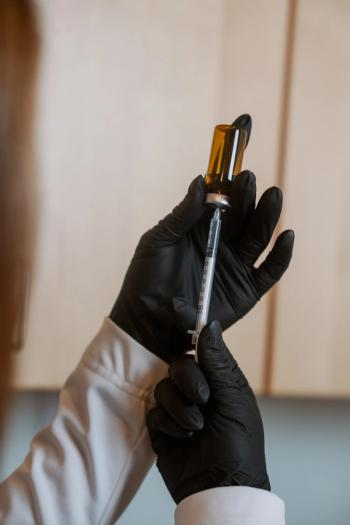
Coverage of a phase 3 trial of fast-acting oral meloxicam examined MR-107A-02, an investigational formulation designed for faster absorption. The randomized, double-blind study enrolled 410 adults with moderate to severe pain after bunionectomy and compared the formulation with placebo and tramadol.2
MR-107A-02 improved pain relief over 48 hours compared with placebo. Approximately 56.9% of recipients remained opioid-free across the treatment periods, compared with 33.1% receiving placebo. Median time to meaningful pain relief was 3.7 hours. The trial was not primarily designed to establish superiority over tramadol.2
The formulation remained under FDA review at the time of coverage. Its potential utility must be considered alongside established nonsteroidal anti-inflammatory drug risks. Pharmacist review would include cardiovascular, gastrointestinal, and renal considerations, particularly for patients receiving other medications that could increase toxicity.2
3. STArT Findings Challenge How Sickle Cell Pain Trials Measure Success
An analysis of the phase 3 STArT trial examined why intravenous arginine did not significantly improve time to crisis resolution in hospitalized children and young adults with sickle cell disease. The trial enrolled 274 participants and stopped early for futility.3
In an interview, principal investigator Claudia R. Morris, MD, of Emory School of Medicine, explained that the primary end point measured time from study-drug administration to the final parenteral opioid dose. That transition can reflect hospital treatment and discharge practices, making it difficult to isolate a biological treatment effect. Approximately 41% of participants also met criteria for chronic sickle cell pain.3
For pharmacists, the coverage highlights an opportunity to improve opioid-exposure reporting. Investigators had to reconstruct administered doses from infusion and patient-controlled analgesia records. More reliable reporting could strengthen future studies and help distinguish changes in medication use from changes in the patient’s underlying pain.3
4. Pharmacists Share Experiences With DEA Registration
A contributor article on pharmacists’ experiences obtaining DEA licenses examined controlled-substance prescribing across different practice settings. Tristan Tyger, PharmD, Jeff Boyer, PharmD, MS, BCPS, and Jessica Geiger, PharmD, MS, BCPS, described their experiences and the barriers and opportunities surrounding expansion of this role.4
The piece places those experiences within the broader development of pharmacist prescriptive authority. Its relevance to pain management extends beyond obtaining a credential: pharmacy teams must consider how a prescribing role fits into their existing patient-care responsibilities.4
For teams exploring similar roles, the piece offers a starting point for discussing implementation. Useful questions include how prescribing responsibilities would be coordinated with other clinicians and how follow-up would be organized. These operational decisions help translate an expanded role into a clear care process that patients and colleagues can understand.4
REFERENCES
4. Tyger T, Boyer J, Geiger J. Bridging the gap: pharmacist experiences obtaining DEA licenses. Pharmacy Practice in Focus: Health Systems. 2026;15(5). Published September 18, 2026. Accessed September 30, 2026. https://www.pharmacytimes.com/view/bridging-the-gap-pharmacist-experiences-obtaining-dea-licenses