








































































During the Renaissance, a theory emerged in Europe regarding the source of human madness: a stone that was wedged deep inside the brain.

During the Renaissance, a theory emerged in Europe regarding the source of human madness: a stone that was wedged deep inside the brain.

Pharmacy Times® interviewed Dennis O’Neill, president and board member of Biomedican, to discuss how providers are looking to psychedelic medicine to treat certain mental health disorders.
This study, published in Molecular Psychiatry, builds off of previous research into biomarkers for tracking suicidality, post-traumatic stress disorder, and Alzheimer disease, according to the authors.

Path to helping patients with mental health issues can include residency and board certification.

Caroline Carney, MD, MSc, FAPM, CPHQ, CMO of Magellan Health, discusses how pharmacists and other medical professionals can boost their brain health and keep a positive mindset while working during the pandemic.
Among surveyed American adults, more than half were diagnosable with probable depression at baseline, in addition to 65% who had anxiety and 51% at risk for post-traumatic stress disorder.

Caroline Carney, MD, MSc, FAPM, CPHQ, CMO of Magellan Health, discusses how pharmacists can be first line in noticing changes in patients’ cognitive functioning.
This week is National Brain Awareness Week, so Pharmacy Times® interviewed Caroline Carney, MD, MSc, FAPM, CPHQ, CMO of Magellan Health, on some of the issues surrounding the contemporary understanding of mental health and brain health.

Pharmacists and pharmacy staff failing to deal adequately with stressors put themselves and their patients at risk through mounting frustration, tiredness, burnout, and commission of errors.

Adults in the United States are reporting undesired weight changes, an increase in drinking, and other negative behavior changes that may be unhealthy coping mechanisms for prolonged stress, according to a survey conducted by the American Psychological Association (APA).

Adverse effects, such as strange dreams, insomnia, and sleep disorders may be more likely for patients with a history of cardiovascular health issues.
Among more than 11 million Medicare beneficiaries who were admitted during the 2-year study period, there were 174,901 admitted for ischemic stroke and 193,418 admitted for heart attack.
A recent research review found that a large proportion of COVID-19 survivors will be affected by neuropsychiatric and cognitive complications.

Discuss symptoms, treatment options, and adverse effects to help those who suffer adhere to their medication regimens.
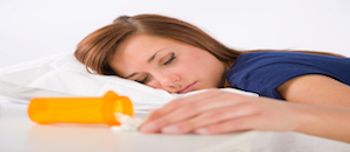
Those whose waking time varies from day to day may find themselves in as much of a foul mood as those who stayed up extra late the night before, or who got up extra early that morning, according to the study authors.

Recreational substance use was associated with 1.5 to 3 times higher odds of heart disease, with stronger associations among young women.

The researchers wanted to analyze massive data shared on social networks to provide new opportunities to better understand the behavior of their users.

Of the types of drugs analyzed, tranquilizers were the most often misused, followed by stimulants, opioids, and sedatives.

Moreover, 9 in 10 adults say that they hope the country moves toward unity, according to Stress in America: January 2021 Stress Snapshot, conducted by The Harris Poll on behalf of the American Psychological Association (APA).
The diagnosis and management of neurologic conditions can be more complex when patients are at the extremes of age.

Burnout often results from long hours, a highly regulated industry with a lot of change, and just the nature of health care in general.

The COVID-19 pandemic has escalated the burden of psychological distress, including anxiety, depression, post-traumatic stress, and insomnia.

Interventions to reduce suffering, restore connections with others, and maintain safety are essential, and normalizing conversations about suicidal ideation and suicide itself is important.
There has been a 25% increase in food insufficiency among Americans during the COVID-19 pandemic, according to a recent study.
The approach is being developed specifically as a potential treatment for the significant fraction of people with debilitating depression who do not respond to existing therapies and are at high risk of suicide.