



































































































Depressive symptoms were lowest in young adults who slept 9.7 hours per night, and feelings of well-being were highest for those who slept 8 hours per night.
Depressive symptoms were lowest in young adults who slept 9.7 hours per night, and feelings of well-being were highest for those who slept 8 hours per night.

Pharmacy Times spoke with Angela Kashuba, Dean of UNC Eshelman School of Pharmacy and Patrick Brown, UNC Eshelman School of Pharmacy Alumni, about the importance of preparing pharmacists and students to vaccinate the general public with the COVID-19 vaccine.

The processes involving the high prevalence of diagnosis and over prescription undoubtedly play a role, but it is possible that the infra-diagnosis and lower prescription rates in men could be a factor, according to the study authors.

The greater effect on population-wide alcohol use could be tied to the effects of the COVID-19 pandemic, including widespread social disruption and isolation, limited social support and access to medical care, and negative domestic and global economic impacts.

Pharmacy schools are training students to recognize a mental health crisis and take action.

Study suggests psilocybin may be effective in a much wider population of patients suffering from major depression than previously believed.

Researchers suggest several modifications in the way health professionals manage patients with obesity during the COVID-19 pandemic.

Researchers found that the combination of medication and psychoeducational therapy has greater efficacy in the prevention of recurrence of illness in people with bipolar disorder than treatment with medication alone.

Top news of the week from Pharmacy Times.

A recent study shows an unintended increase from 20% to 60% in the proportion of depressed youth without antidepressant treatment.

One in 4 adults reported a change in alcohol use almost immediately after stay-at-home orders were issued during the coronavirus disease 2019 pandemic.
Investigators found a link between the sleep quality of mother and child related to the COVID-19 pandemic.

Higher rates of mental health symptoms were found among younger respondents, those who identified themselves as female, and those who reported having a pre-existing mental health condition.

The highest increase in remote delivery of mental health care was reported in those working in outpatient facilities and in women.

Survey shows that having a pet was linked to maintaining better mental health and reduced loneliness, with 90% of the 6000 participants from the UK saying they had at least 1 pet.

A combination treatment was found to be associated with significantly less weight gain and smaller increases in waist circumference than treatment with olanzapine alone.
Pharmacy Times® interviewed Keri Donaldson, medical director and CEO of Prescient Medicine, about the effects of the COVID-19 pandemic on the opioid epidemic in the United States.
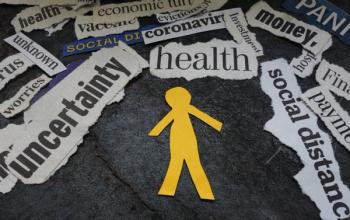
News consumption was found to be an especially strong predicative factor for acute stress and depression during the COVID-19 pandemic.

In June 2020, 56% of people over 50 years of age said they sometimes or often felt isolated from others, more than double the 27% who felt this way in a similar poll in 2018.

Discontinuation of antidepressants should take place gradually, as abrupt stoppage or marked reduction in the dosage of an antidepressant is frequently associated with adverse effects (AEs), such as withdrawal symptoms.

A study of Chinese women found COVID-19 heightened stress, fear, and depression during pregnancy.

Research suggests that those with progressive multiple sclerosis may have adjusted more effectively to lockdown conditions.

The results of the study found that adults who experienced 4 common symptoms of anxiety and depression have upwards of 2 times greater risk of delaying medical care or not receiving needed non-COVID-19 medical care amidst the pandemic.

The study evaluated whether conditions such as depression in adolescence are associated with a higher risk of cardiovascular disease in adulthood.

How would you respond to these patients?