


Immunization
Latest News

Nobel Prize Awarded to Scientists Whose Work Led to Development of mRNA COVID-19 Vaccines
By Mary Caffrey
Advertisement
Latest Videos








CME Content




















































































































Advertisement
More News

Combining strong evidence-based recommendations with caring, compassionate, and frequent counseling opportunities hopefully will increase vaccine acceptance and ultimately reduce the incidence of HPV and associated cancers among our patients.

Experts answer questions on influenza vaccines.

Community pharmacies and organizations can collaborate to tailor strategies and interventions and address the challenges and specific needs of the community.

Expert panelists addressed concerns about the COVID-19 vaccine costs, availability, efficacy, and timing.

By educating their patients on the provisions of the Inflation Reduction Act, pharmacists can have an even greater impact by increasing vaccine uptake in historically underserved groups.
Compared with COVID-19 vaccination alone, recent study findings show health care workers who received both a COVID-19 booster and influenza vaccinations did not have lower immune response or more frequent adverse events.

Evidence-based programs and policies to improve vaccine uptake are necessary for both caregivers and the general public because influenza vaccine coverage remains low for both groups.

The CDC emphasized the need for protein-based vaccine options in endorsing a vote by the Advisory Committee on Immunization Practices for the universal recommendation of the 2023-2024 monovalent, XBB containing COVID-19 vaccines.

Vaccine administration provides benefits at the patient and public health levels, and pharmacists are critical members of health care teams that provide these vital biologic medications.

Senate Bill 219 will also allow pharmacists to independently administer influenza and COVID-19 tests waived by the clinical laboratory improvement amendments.
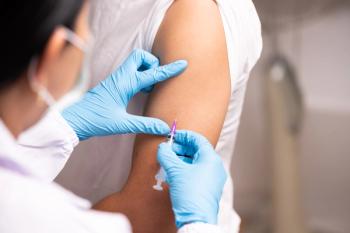
While monitoring influenza virus resistance as it develops, researchers are prioritizing further investigations to decrease the risk of resistant strains.

Best practices to train staff and team members to engage patients and to ease the new vaccine offerings into the workflow are also discussed.

Having 2 drug classes available for influenza is significant, but it is important to investigate other treatments prior to the pandemic, a new study indicates.
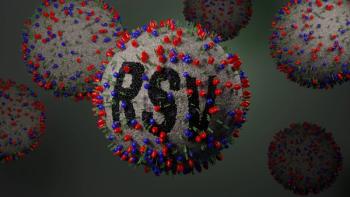
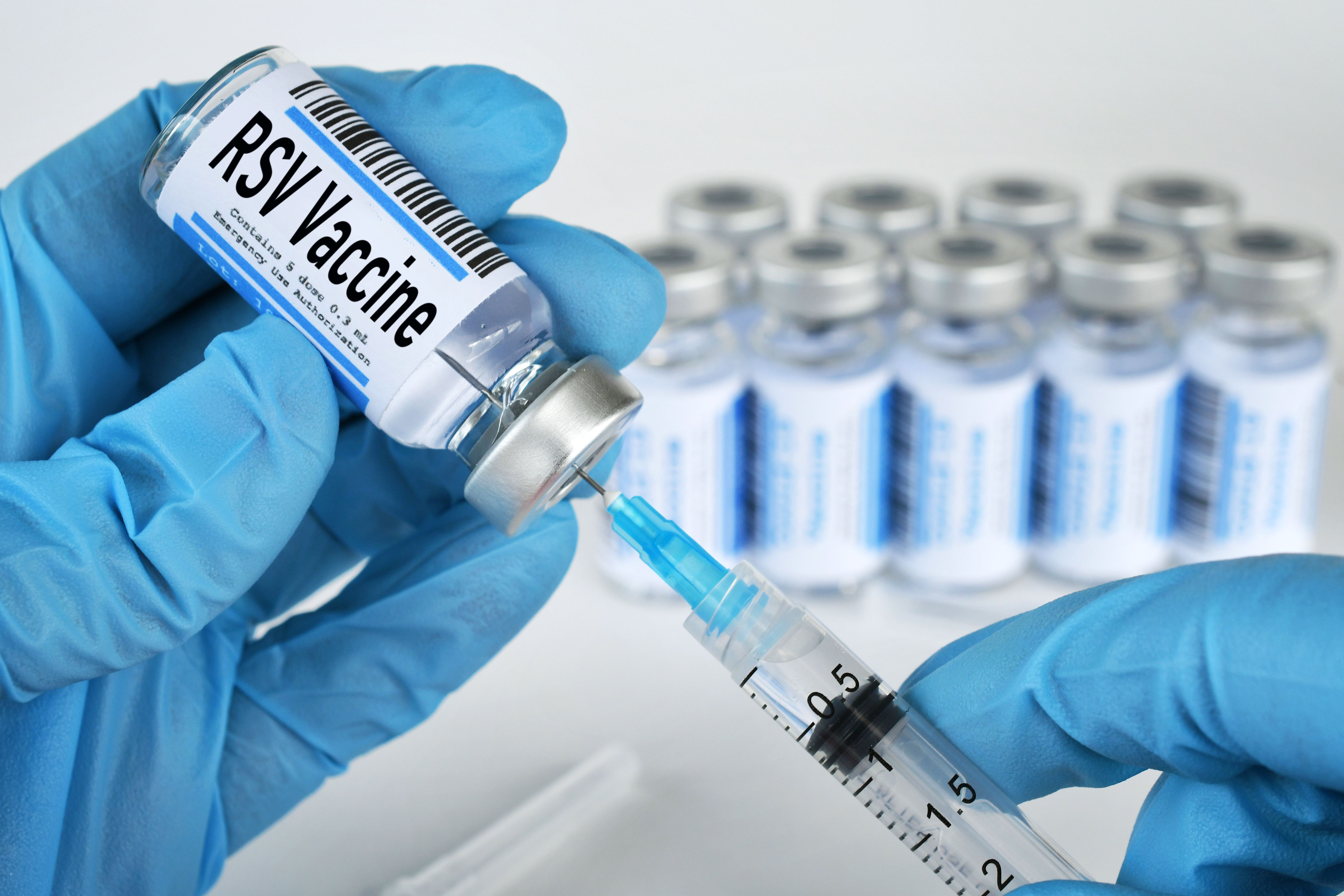
Pediatric and maternal respiratory syncytial virus (RSV) vaccines are being studied to reduce the burden of RSV, and more research is needed to understand whether this can reduce wheeze and asthma.

FDA grants updated Moderna and Pfizer-BioNTech COVID-19 vaccines with emergency use authorization to target currently circulating variants of the virus.

With the emergence of BA.2.86, and the growing prevalence of EG.5 and FL1.5.1, there is a need for updated vaccines against COVID-19 to help decrease severe disease and hospitalizations.

With new vaccines expected for both SARS-CoV-2 and influenza, educate patients on the ongoing need for immunizations

Cases of certain HPV-related high-grade disease were not found in the 10-year follow up for girls and boys who received 3 doses of the Gardasil 9 injection.

Understanding the virus protein’s insertion mechanisms can be useful in creating new COVID-19 vaccine targets.

Pharmacists play a critical role in educating patients on RSV prevention, how to recognize early symptoms, and when to seek medical help.

Pharmacists can play a crucial role in educating parents and helping remind them about the childhood vaccine schedule, which can be quite complex.

The pharmacy is no longer considered to offer full service (or to be financially sustainable) without a robust vaccination practice.

Despite study findings showing that 1 in 5 patients hospitalized for COVID-19 developed persistent high blood pressure, many had underlying risk factors.

Nirsevimab (Beyfortus) is the first respiratory syncytial virus (RSV) preventative drug to be approved by the FDA, and can protect infants through their first RSV season for up to 5 months.

Investigators from Griffith University stated that technology has helped the development of vaccines that are safe to use and induce strong immune responses against Strep A.
Advertisement
Advertisement
Trending on Pharmacy Times
1
The Peptide Reclassification Everyone's Talking About: A Pharmacist's Take on What RFK Jr's Announcement Actually Means
2
What Pharmacists Need to Know About Retatrutide's TRIUMPH-1 Phase 3 Results
3
Subcutaneous Isatuximab On-Body Injector Shows High Reliability, Favorable Safety Across Multiple Myeloma Trials
4
Collaboration, Innovation, Stewardship, and the Future of Infectious Diseases Pharmacotherapy and Practice
5