



























































































An individual treated for HIV is believed to be in long-term remission, according to experts in the United Kingdom. 'The London Patient’ is only the second documented case of sustained remission for HIV infection.
An individual treated for HIV is believed to be in long-term remission, according to experts in the United Kingdom. 'The London Patient’ is only the second documented case of sustained remission for HIV infection.

Top news of the day from across the health care landscape.

Many women are unaware of HIV pre-exposure prophylaxis (PrEP) but show a keen interest in spreading the word once they learn about the option, according a recent study in the journal Contraception.
According to the CDC, major interventions are in need among at-risk populations in order to reach a goal of 90% decrease of HIV infections in 10 years.
In order for a substantial decrease of HIV infections in the United States, there needs to be a rapid expansion of prevention and treatment for individuals at risk.

Prevalence of cognitive impairment has increased among the HIV population while services for diagnosing and treating afflicted individuals remains scarce.
It is critical that they understand how to select and use these products to obtain accurate results.

In a new study, a team of investigators looked at data from a clinical trial testing 3 different ART regimens in order to determine the factors that can lead to enlarging waistlines in patients with HIV.
African Americans are disproportionately affected by HIV infection in the United States.
ICI therapy offers a new way to treat cancer, yet clinical trials have often excluded those with HIV due to concerns that it may have negative effects, such as virus reactivation.
Immunotherapy may become a viable option for patients with cancer infected with HIV.

Top news of the day across the health care landscape.
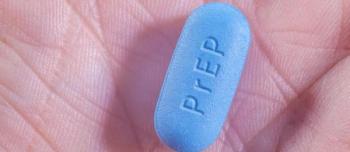
To reduce the likelihood of people giving up on PrEP because of difficulty committing to multiple annual visits, a team of investigators created PrEP@Home, a home-based monitoring system that will allow people on the PrEP regimen to meet with their health care providers just once a year, its creators say.
The disproportionate impact on the US African-American population is highlighted each year on February 7, National Black HIV/AIDS Awareness Day.
Top news of the day across the health care landscape.

HIV-positive patients with hepatocellular carcinoma had an adjusted 24% increased hazard of death compared to their HIV-negative peers.

A look at last week's top stories in the world of pharmacy.
Individuals who perceive themselves to be at a high risk of HIV are more likely to accept pre-exposure prophylaxis (PrEP) than their peers.
A prescription drug ad broadcast during the musical on television has set the stage for a larger conversation about patient access to preexposure prophylaxis medication.
Better strategies are needed to adequately identify and prevent opportunistic infections and related deaths in patients with advanced HIV.

A look at last week's top stories in the world of pharmacy.

The new indication would allow treatment-experienced patients with HIV to switch to Pifeltro in combination with other HIV medications or Delstrigo.
Through ongoing quarterly targeted medication counseling follow-up sessions, the pharmacist may identify ART noncompliance.

An overview of scientific evidence supporting the HIV undetectable=untransmittable concept and implications for HIV prevention and treatment.
Offering screening and referrals for mental health and peer support services can improve HIV outcomes in American Indian and Alaska Native patients.