
































































































Learn how retail or specialty pharmacy distribution can affect access to these important drugs.
Learn how retail or specialty pharmacy distribution can affect access to these important drugs.

Following the global impact of COVID-19 on the health care system in 2020, there have been some clear changes in HIV care in the United States.

Successfully implementing HIV and hepatitis C testing at drug detoxification centers could help identify and link patients to care, but would require that the test results are available to nearby health care facilities.

Although antiretroviral therapy is an important option for patients with HIV, the viral reservoir has been a major obstacle for researchers looking to effectively cure the disease.

According to results from a recent study, a functional cure for HIV may lie in identifying the viral reservoirs in which HIV places copies of its viral genetic material into cell genomes.

According to the study authors, with a higher antigen valency, antibodies have more sites to latch onto; however, including a higher antigen valency in a vaccine does not mean it will work better.
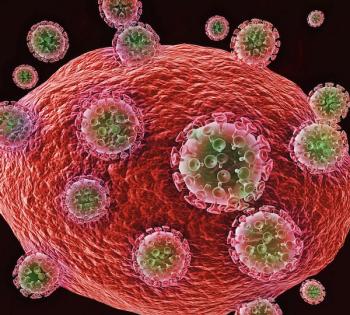
Antiretroviral therapy’s limitations lead to new efforts to treat the virus by neutralizing antibodies.

Despite, antiretroviral therapy, HIV can hide in blood and tissue.

Fingolimod (Gilenya), which is approved by the FDA to treat multiple sclerosis flare-ups, may also block HIV and reduce the latent reservoir.
A new study found that it’s safe for patients with HIV to receive HIV-positive kidneys.

As patients return to their routines of returning to pharmacies and the inevitable discussions about COVID-19 begin, it may be a good time to discuss the range of tests that the CDC recommends.
Globally, dolutegravir is expected to be a part of treatment for approximately 15 million people living with HIV by 2021.
Significant morbidity and mortality are associated with an aging population due to cardiovascular disease, which is very common in HIV-infected persons.

Fostemsavir is indicated for adults with drug resistant HIV.
Dolutegravir tablets are intended to treat pediatric patients at least 4 weeks old and at least 6 pounds who have never been treated for HIV or who have been treated, but not with an integrase strand transferase inhibitor class drug, according to the press release.

New research on the structure of HIV has revealed a promising novel drug target for treating HIV infection.

Today, we’re celebrating the clinical pharmacy specialist team at the William J. Holloway Community Program in Delaware.

The 2 most common, recommended, and simplified treatments for HCV are glecaprevir/pibrentasvir (Mavyret) and sofosbuvir/velpatasvir (Epclusa).

The widely available anti-parasitic drug ivermectin is capable of killing COVID-19 within 48 hours in a cell culture, according to a new study.

What would you recommend for these patients?

A study of the second HIV patient to undergo successful stem cell transplantation from donors with an HIV-resistant gene found that there was no active viral infection in the patient’s blood 30 months after they stopped antiretroviral therapy.

The findings highlight the critical role played by excess visceral adiposity in the progression of fibrosis among HIV-infected patients with nonalcoholic fatty liver disease, according to the study authors.

In addition, the new legislation calls for more intervention from local and state health officers, allowing them to recommend options ranging from testing to counseling. This includes the ability to mandate treatment for an individual determined to be placing others at risk.

Scientists at the Gladstone Institutes have cataloged host proteins that physically bind to HIV proteins, which identify human proteins that the virus can use to infect cells and spread.

The bill is intended to "prevent a health insurance carrier from requiring a covered person to undergo step therapy or to receive prior authorization before receiving HIV infection prevention drugs."