
































































































ViiV Healthcare has submitted a New Drug Application (NDA) for its single-tablet, 2-drug regimen of dolutegravir (DTG) and lamivudine (3TC) for the treatment of HIV-1 infection.
ViiV Healthcare has submitted a New Drug Application (NDA) for its single-tablet, 2-drug regimen of dolutegravir (DTG) and lamivudine (3TC) for the treatment of HIV-1 infection.

Dolutegravir plus lamivudine showed non-inferiority to a 3-drug, first-line regimen in treating HIV infection.

The first study to evaluate population-level roll-out of pre-exposure prophylaxis (PrEP) for HIV in men who have sex with men has demonstrated rapid decline of new HIV infections.
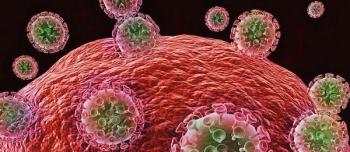
A combination of next generation broadly neutralizing antibodies might be able to achieve long-term viral suppression of HIV without the need for a daily antiretroviral pill, according to recently published research.
Provider-centric stigma reduction interventions can help reduce stigmatizing behaviors towards patients with HIV and potentially improve care, according to a new systematic review from the CDC.

Report analyzes HIV-related stigma among health care providers and the potential impact on quality of patient care.
Broadly neutralizing antibodies have one key advantage over antiretroviral therapy: they have a longer half-life and thus don’t require the daily, lifelong dosing regimen currently required of ART users.
Researchers investigated the impact of individual types of human papilloma virus on HIV acquisition.
A new combination treatment that targets the latent reservoir of HIV may be a potential effective therapeutic strategy.

Clinical trial data show results from switching to Delstrigo from other antiretroviral treatments for HIV.

Top news of the day from across the health care landscape.

Efavirenz exposure (EVF) in utero is being linked to higher risk of neurologic abnormalities in infants and children.

Efavirenz exposure (EVF) in utero is being linked to higher risk of neurologic abnormalities in infants and children.

A combination of 2 anti-HIV antibodies may be capable of suppressing HIV for months after treatment.

The increased risk of cancer is due in part to people living with HIV living longer, thanks to advances like antiretroviral therapy.

Study examines the role of liver macrophages as a long-lived HIV-1 cellular reservoir.
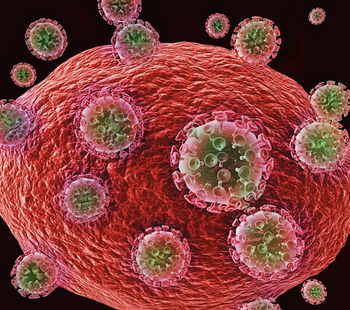
Combination antiretroviral therapy (ART) has greatly reduced HIV-associated morbidity and mortality and improved the quality of life for those living with HIV.
An interactive text messaging intervention improves pre-exposure prophylaxis (PrEP) adherence in a study of young people at risk for HIV.

A pair of new studies is shedding light on a rare, but scientifically important, group of people with HIV who are able to maintain viral control even after stopping antiretroviral therapy.

Financial modeling tool shows research and development lacking of new vaccine candidates for HIV, tuberculosis, and malaria.

A national survey demonstrated gaps in medical providers’ knowledge about changes to HIV health care delivery due to the Affordable Care Act.

More than 65% of patients with Kaposi’s sarcoma in a small cohort had partial or complete remission when treated with immune checkpoint inhibitors.

A new study examining HIV in people who inject drugs found interventions increased use of antiretroviral medication.
The years of research has translated into advances outside the HIV field, including in oncology and other immune diseases.
Through their Medicaid and Ryan White HIV/AIDS Programs, states play an integral role in ensuring access to care for people living with HIV.