


Heart Failure
Latest News
Advertisement
Latest Videos








Advertisement
More News
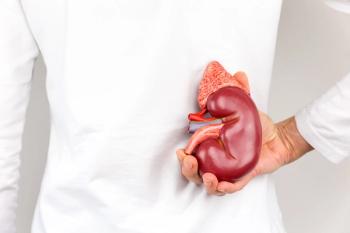
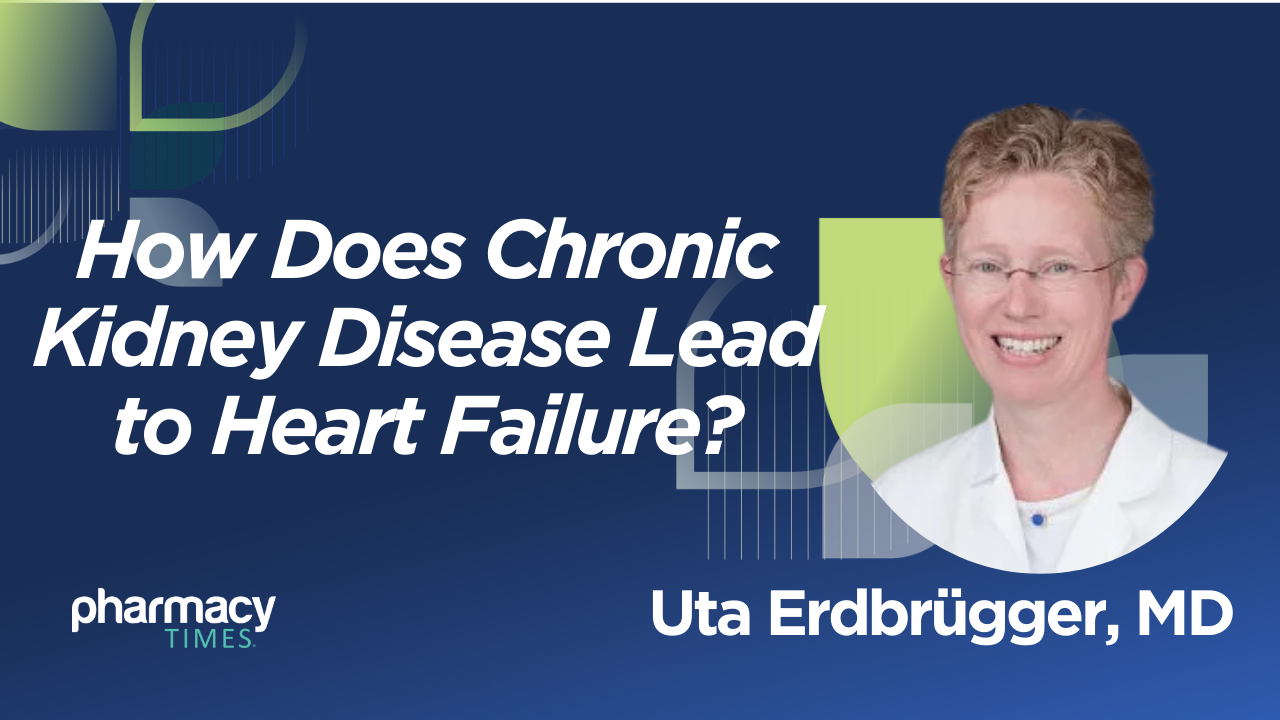
Patients with chronic kidney disease (CKD) send miRNA extracellular vesicles to the heart, contributing to the pathogenesis of heart failure.

The short message service (SMS) text reminders were targeted toward vulnerable patient populations and consequently reduced rates of readmission to the hospital.

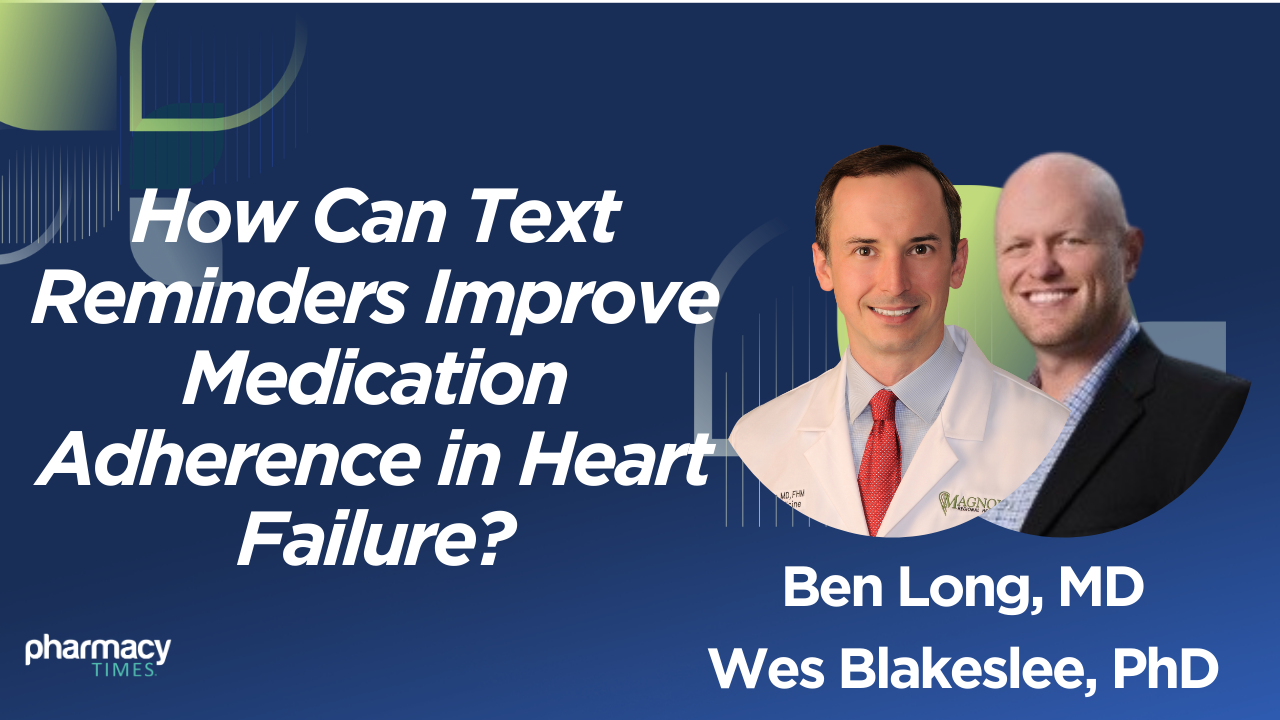
Ben Long, MD; and Weston Blakeslee, PhD, explain how personalized text messaging helps overcome common adherence barriers and keeps patients engaged without overwhelming them.

Ben Long, MD; and Weston Blakeslee, PhD, discuss how personalized text reminders significantly improve prescription adherence in patients with heart failure and the critical role pharmacists play in reinforcing engagement.

Lowering blood glucose levels significantly reduces heart disease risks in prediabetes, offering new hope for prevention and management strategies.
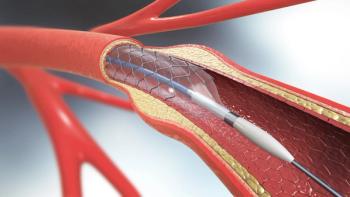
In patients with ST-segment elevation myocardial infarction, lowering low-density lipoprotein cholesterol to optimal levels prevented neoatherosclerosis, a complication following stent implantation.
Host Craig Beavers sits down with Marc Baines, cofounder and executive director of the HeartLife Foundation, to explore heart failure care through the lens of lived experience.

The FDA has approved etripamil as the first and only self-administered nasal spray for adults with paroxysmal supraventricular tachycardia (PSVT), offering a rapid, effective treatment that can be used outside of health care settings.

The supplemental new drug application (sNDA) was assigned a PDUFA target action date of July 26, 2026.

Pharmacists remain essential to ensuring patients receive safe, effective, and accessible care amid expanding therapies.

New research reveals GLP-1 receptor agonists like semaglutide offer heart failure benefits beyond weight loss, emphasizing pharmacists' crucial role in patient care.

Hypertensive disorders of pregnancy confer increased cardiovascular risk, with heightened risk corresponding to more severe hypertension.

Heart failure prevention can be integrated into health systems to optimize care.
Prior to the 2025 American Heart Association (AHA) Scientific Sessions Meeting, Craig J. Beavers, PharmD, FACC, FAHA, FCCP, BCCP, BCPS (AQ-Cardiology), CACP, discusses two recent papers that are influencing practice within the cardiovascular space.

New results from the phase 3 HYPERION trial demonstrate reduced risks as early as the year following diagnosis of pulmonary arterial hypertension.

Individuals with heart failure who are Black, Hispanic, or Asian face a much earlier onset of heart failure hospitalization compared with White patients.

Digitoxin reduces primary composite vs placebo in HFrEF, with no statistically significant effect on individual components of all-cause mortality or first heart failure-related hospitalization.

Bumetanide nasal spray provides patients with edema an alternative to burdensome oral or intravenous diuretic options.
The 2 abstracts, which were presented at the European Society of Cardiology 2025 Congress, utilized data from the CDC WONDER database.

New findings suggest high-dose influenza vaccines offer better protection against the flu and reduce cardiac complications in older adults.
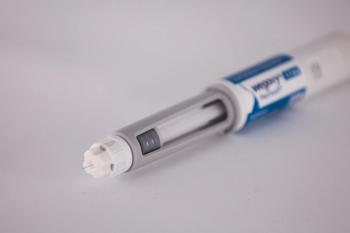
GLP-1 medications like semaglutide and tirzepatide significantly lower heart failure hospitalization risks, expanding treatment options for obesity-related conditions.

Aficamten offers new hope for HCM patients, showing significant clinical benefits and safety in recent trials, enhancing treatment options.

Pharmacists Weigh Promise and Challenges of Finerenone for Patients With HFpEF
Published: | Updated:
Finerenone plays an emerging role in managing complex heart failure with preserved ejection fraction (HFpEF).

Previously indicated to reduce the risk of end-stage kidney disease, cardiovascular death, and hospitalization for heart failure (HF) in chronic kidney disease, finerenone is now approved for patients with HF directly, offering a new treatment option.

The authors are optimistic that GADD45A serves as a foundation for therapeutic approaches to slow the progression of heart failure.
Advertisement
Advertisement
Trending on Pharmacy Times
1
Finerenone Expands MRA Options as Pharmacists Address Underrecognized HFpEF
2
Finerenone in Heart Failure: Evidence and Practice a Year Later
3
Pelacarsen, Ziltivekimab Miss CV End Points: What to Know
4
Breast Cancer Treatment Ends, But The Medication Questions Don’t
5