





Cardiovascular Health
Latest News
Advertisement
Latest Videos




Advertisement
More News

Patient monitoring significantly improved for patients seen in the pharmacist-led clinic due to greater efforts to order labs per policy and prescribe an appropriate DOAC dose.
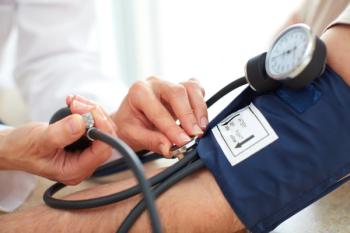
The findings showed that pharmacist-led interventions resulted in the greatest systolic blood pressure reductions.

Anatomical alterations result in many downstream changes, such as changes in pH, gastric volume, food intake, surface area for absorption, gastric emptying and transit times, and intestinal enzymes and efflux pumps, among others.

The findings highlight the possibility of pharmacists expanding their responsibilities in the provision of other clinical services in community pharmacy practice.

Increased awareness of women's cardiovascular health and the impact of estrogen fluctuation throughout women’s lives on cardiovascular disease could both boost the economy and improve health outcomes.

Because decongestants act by constricting blood vessels, their use can be problematic in individuals who have hypertension.

Previous studies have shown that individuals living with HIV are at higher risk for heart disease than individuals without HIV
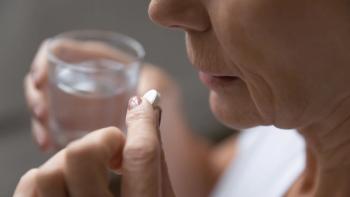
Older adults who take aspirin for primary prevention of cardiovascular disease are at an increased risk of bleeding.

Pulsed field ablation may offer patients an efficacious treatment option with limited damage to surrounding tissues.

Palliative care may help reduce symptoms and improve quality-of-life for patients with cardiovascular disease.

Perinatal depression increases the risk of cardiovascular disease in women.

Semaglutide significantly improved heart failure symptoms and quality of life through weight loss and direct effects on heart tissue.

Semaglutide was found to have effects on glycemia, inflammation, and heart failure outcomes in sub analyses.
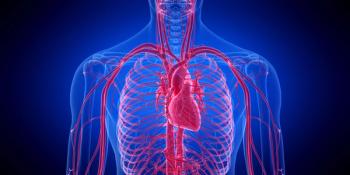
Treatment focuses on reducing symptoms and preventing further progression.

Adopting the Planetary Health Diet may reduce overall risk of chronic disease and premature death.

Study shows that orange peel extract may reduce risk of heart disease and adverse cardiovascular events.

Research has found that increased consumption of sugar alcohols, like xylitol, may increase risk of cardiovascular events.

Study reveals vigorous physical activity correlates with lower rates of cognitive impairment in hypertensive patients.

Data show women with poor cardiovascular health may have an increased risk of early signs of cognitive decline in midlife.

In prior studies, higher levels of physical activity were associated with higher prevalence of coronary artery calcium.

Small steps can accumulate and have a big impact on patients’ lives

Added data from the SELECT trial helps to increase confidence in safety and efficacy of semaglutide, a glucagon-like peptide 1 medication.
Continued disparities of gender representation in cardiovascular research reveal oversights that impact adequate diagnosis and treatment of cardiovascular disease in women.

A lipoprotein (a) (Lp[a]) assay has been granted breakthrough device designation to expand identification of patients with elevated Lp(a) and genetic predispositions to cardiovascular disease.

The results showed that individuals treated with milvexian had a prolonged aPTT in a dose-dependent manner with limited effects of PT.
Advertisement
Advertisement
Trending on Pharmacy Times
1
Operationalizing Therapy and Managing Hypophosphatemia Risk at UPMC
2
FDA Approves Bepirovirsen, First ASO for Chronic Hepatitis B
3
CagriSema Tied to 25% Weight Loss in Women, Post Hoc Data Show
4
Fall 2026 Quiz: Test Your Pharmacy Knowledge!
5