

Cardiovascular Health
Latest News
Advertisement
Latest Videos
Advertisement
More News

CDC Report Finds US Residents in Rural Areas Face Higher Percentages of Preventable Premature Deaths
The authors emphasize that additional research addressing disparities and including race, age, and ethnicity should be conducted.

At Asembia's AXS24 Summit, a clinician discusses the pathophysiology and classification of pulmonary arterial hypertension.
Experts on the management of ASCVD discuss clinical practice patterns of high-risk patients and the common reasons for clinicians not intensifying cholesterol treatment.
A panel of clinical pharmacists introduce themselves and discuss how LDL cholesterol target achievement compares with guideline goals for patients with ASCVD who are treated with maximally tolerated statin monotherapy.

Investigators found that 89% of individuals with cardiovascular disease consumed more than 1500 mg of sodium daily.

The latest FDA approval paves the way for expanded use of GLP-1 receptor agonists in patients without diabetes.

SGLT-2 inhibitors reduce cardiovascular deaths, heart failure hospitalizations, hyperkalemia, and decline of renal function in patients with HFrEF.

Bristol Myers Squibb will also present findings on apixaban (Eliquis) at the American College of Cardiology Annual Scientific Session and Expo.
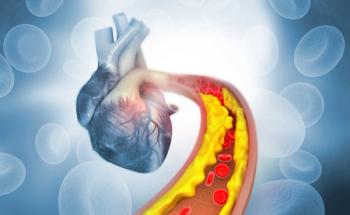
In March 2024, the label for bempedoic acid was expanded to reduce cardiovascular risk and expand the low-density lipoprotein-C (LDL-C) lowering in both primary and secondary prevention patients.

The finding did not reach statistical significance in the primary composite endpoint.

New Data Shows Positive Results for Sotagliflozin for Patients With Chronic Kidney Disease, Diabetes
The abstracts will be presented at the American College of Cardiology Conference from April 6 to April 8, 2024, in Atlanta, Georgia.
The results further confirm earlier findings from the EMPA-KIDNEY trial.

The Librexia program includes 3 concurrent clinical trials, investigating milvexian’s use for ischemic stroke, acute coronary syndrome, and atrial fibrillation

Investigators also found that African American and White veterans had different risk factors for re-hospitalization post-stroke.

Investigators aimed to determine the impact of psychotherapy or psychopharmacologic treatments on adverse outcomes in individuals with coronary artery disease or heart failure.
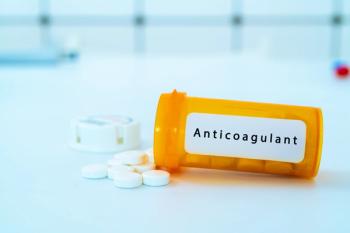
Interactions between nirmatrelvir/ritonavir and direct oral anticoagulants is complicated, and a point of contrasting views between the US and EU medical communities.

An overview of the use of direct oral anticoagulants as an alternative to warfarin in the treatment of left ventricular thrombus.

Sotatercept-csrk is the first approved activin signaling inhibitor therapy for pulmonary arterial hypertension, which represents a new class of therapy.
All 20 participants in a 12-month follow-up study attained acute success from ablation procedures.

The combination tablet (Opsynvi; Johnson & Johnson) can also be used for individuals with pulmonary arterial hypertension who are being treated with stable doses of macitentan and tadalafil as separate tables.

Bempedoic acid (Nexletol; Esperion) and bempedoic acid and ezetimibe (Nexlizet; Esperion) are the only LDL-C lowering non-statin drugs indicated for primary prevention patients.
The FDA has only approved aprocitentan (Tryvio; Idorsia) in the 12.5 mg dosage as the effects were similar between the 25 mg and 12.5 mg dosages.

Team-based care models improve continuity of care and accessibility for patients.
The disease is complex, but many opportunities exist for pharmacist intervention.

Although newly approved, there is some debate regarding the benefits and populations in which sotagliflozin will be the most effective.
Advertisement
Advertisement
Trending on Pharmacy Times
1
Operationalizing Therapy and Managing Hypophosphatemia Risk at UPMC
2
FDA Approves Bepirovirsen, First ASO for Chronic Hepatitis B
3
CagriSema Tied to 25% Weight Loss in Women, Post Hoc Data Show
4
Fall 2026 Quiz: Test Your Pharmacy Knowledge!
5