






Breast Cancer
Latest News
Advertisement
Latest Videos





CME Content


















Advertisement
More News

Investigators found that artificial intelligence chatbots did not consistently provide recommendations for cancer treatment that correspond with NCCN guidelines.

In the study, investigators incorporated data from electronic health records and social determinants of health into the model to determine the likelihood in delays when starting cancer therapy.

Protection of T cells from tumor-induced suppression suggests potential for enhancing efficacy of therapies, with plans to initiate a phase 1/2 clinical trial in patients with advanced breast cancer.

Unexpectedly, a study found that more than 70% of cancer survivors were current drinkers, indicating the need for intervention and strategies to reduce harmful drinking habits.

Microgravity provides researchers with a unique environment for studying how cells behave differently than they do on Earth.

After carboplatin joined the growing list of drug shortages, staff pharmacists acted to minimize the impact on patients.

Though an association was found between depression and anxiety and lung cancers, there were no connections found to overall, breast, prostate, colorectal, and alcohol-related cancers.
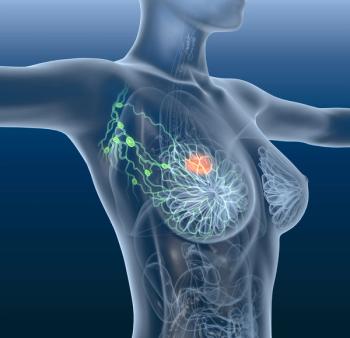
The results of a study showed that the median progression-free survival was shorter for patients with advanced breast cancer who use proton pump inhibitors with palbociclib.
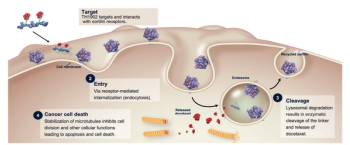
Data suggest the therapy can induce prolonged clinical benefit, even after treatment discontinuation.
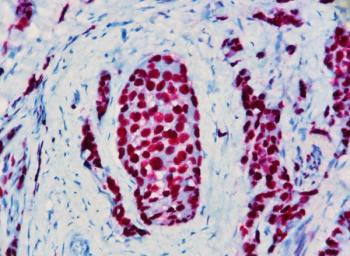
Building on promising prior research, ERβ was found to prevent aggressive forms of breast cancer from metastasizing.

Previous research has determined the role of dysregulation in the evolution of cancers but lacked investigation of the ability of these mutations to predict different forms and aggressiveness of cancer.

There are currently no effective treatments for CIPN prevention.
Chemotherapy may increase inflammatory biomarkers that can impact the diversity of the gut microbiome, leading to serious anthropomorphic changes among women treated for early-stage breast cancer.

A panel at the Advanced Topics for Oncology Pharmacy Professionals Summit discusses strategies to address patients’ fears and distrust of the medical and scientific community.

A cancer vaccine has shown efficacy in dogs, with implications for benefit in humans.

These study results may inform clinical practice strategies this year and beyond.

The landscape of clinical trials in oncology is rapidly evolving, driven by increasing research efforts and advancements in the field of clinical research.
More than half of the patients prescribed oral anticancer agents report persistent moderate-to-severe symptoms, despite receiving counseling on adverse effect management.

Investigators call for further public awareness of other breast cancer risk factors, besides dense breasts, which could help identify more women who are at high risk.
Race, ethnicity, years after diagnosis and mental and physical stress are among factors associated with unmet supportive care needs and a higher risk of hospitalization among patients with cancer.

Increases in biological aging based on epigenetic measures could be used to inform the future of survivorship care among patients with breast cancer.

The single institution study compared fixed dose capecitabine to standard dose capecitabine to compare efficacy and tolerability in metastatic breast cancer.
The benefit of ribociclib was seen as consistent against all of the stratification factors in the phase III study.

Depression can affect the trajectory of treatment and associated outcomes.

Capivasertib combined with fulvestrant doubled progression-free survival in patients with recurrent or progressed advanced stage HR-positive HER2-negative breast cancer compared to placebo.
Advertisement
Advertisement
Trending on Pharmacy Times
1
TrumpRx Launches, Offering Cash-Paying Patients Discounted Drugs
2
Pharmacist Takeover: CAR T Therapy Signals a Shift in ALL Treatment
3
SGLT2 Inhibitors in T2D Lower 5-Year Risk of CKD and Acute Kidney Injury
4
Evaluating Pharmacists’ Role In Veterinary Medication Management and Education
5