




Breast Cancer
Latest News
Advertisement
Latest Videos


Advertisement
More News


Study Results Indicate Precision Therapies Make Up Approximately Half of FDA-Approved Oncology Drugs
This finding underlines the need for methods that address multiple genomic alterations and targeted therapies effective in tumors driven by variations in suppressor genes or transcription factors.

Mental health treatment may be necessary when SAEs occur.

Larger institutions have continued to treat patients who needed carboplatin or cisplatin; however, the survey results don’t include smaller cancer centers that may face access challenges.

Not only did the Navya-Patient Preference Tool help patients with decision-making, but groups who used the tool were more likely to receive their preferred form of surgery.

Lack of awareness, cultural beliefs, and physician preferences may influence whether minority patients receive palliative care during metastatic breast cancer treatment.

Ongoing studies utilizing large-scale health databases that incorporate environmental, lifestyle, biological, and phenotypic data may provide insight that leads to better cancer prevention and treatment.

The study authors suggest that after initiating alpelisib, patients should be proactive by improving glycemic status to reduce the risk of developing hyperglycemia.

Investigators found an approximately 23% decrease in overall cancer incidence in April 2020, specifically for breast, colon, rectal, head and neck cancers, as well as melanoma and endocrine cancer diagnoses.

AACR has urged Congress to provide billions more in funding for cancer research, prevention efforts, and expedited review of cancer-related medical products.

Researchers found an increased risk of breast cancer in women who had higher particulate matter levels near their home.
The CDK12/13 inhibitor will be tested for efficacy and safety in patients with advanced solid tumors, such as breast, ovarian, and Ewing Sarcoma.

Precision medicine in pharmacy has the potential to revolutionize patient care by optimizing drug selection, dosing, and monitoring.

Investigators must find a different combination or treatment regimen using a dual blockade of the PARP and PI3K/AKT/mTOR pathway.

African ancestry was associated with higher odds of estrogen receptor-negative and triple-negative breast cancer; however, social environments were strongly associated with the survival of Black individuals with breast cancer.

Patients with cancer and survivors of cancer that had engaged in administrative tasks to effectively estimate costs or pay for care was associated with an 18% increase in cost-related treatment delays or treatment nonadherence.

Investigators found that artificial intelligence chatbots did not consistently provide recommendations for cancer treatment that correspond with NCCN guidelines.

In the study, investigators incorporated data from electronic health records and social determinants of health into the model to determine the likelihood in delays when starting cancer therapy.

Protection of T cells from tumor-induced suppression suggests potential for enhancing efficacy of therapies, with plans to initiate a phase 1/2 clinical trial in patients with advanced breast cancer.

Unexpectedly, a study found that more than 70% of cancer survivors were current drinkers, indicating the need for intervention and strategies to reduce harmful drinking habits.

Microgravity provides researchers with a unique environment for studying how cells behave differently than they do on Earth.

After carboplatin joined the growing list of drug shortages, staff pharmacists acted to minimize the impact on patients.

Though an association was found between depression and anxiety and lung cancers, there were no connections found to overall, breast, prostate, colorectal, and alcohol-related cancers.

The results of a study showed that the median progression-free survival was shorter for patients with advanced breast cancer who use proton pump inhibitors with palbociclib.
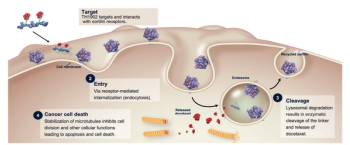
Data suggest the therapy can induce prolonged clinical benefit, even after treatment discontinuation.
Advertisement
Advertisement
Trending on Pharmacy Times
1
Finerenone Expands MRA Options as Pharmacists Address Underrecognized HFpEF
2
Researchers Target Viral Fusion for Universal Flu, HIV Vaccines
3
Diuretics, eGFR, and Intensive BP Lowering in CKD: What to Watch
4
Finerenone in Heart Failure: Evidence and Practice a Year Later
5