





The results from the preclinical trial can provide a new method of measuring dietary sources of nutrients in the tissue, but further research is needed to confirm the findings in the human brain.
The results from the preclinical trial can provide a new method of measuring dietary sources of nutrients in the tissue, but further research is needed to confirm the findings in the human brain.

Compared to placebo, a daily multivitamin showed consistent benefits in global cognition and episodic memory across a clinical trial and meta-analysis of 3 trials.

Benzodiazepines have proven effective in managing anxiety and insomnia, but they heighten risk of falls, cognitive impairment, functional decline, and mortality among older adults.
However, cognitive performance was not significantly worse than patients hospitalized for other conditions of a similar severity.

These patients have slow brain wave activity during wakefulness, which can reduce the firing of nerve cells to protect against the pathology of epilepsy.

Despite nearly one-third of reversible dementia cases being drug induced, cognitive safety is a neglected aspect of clinical trials.

Although personality was linked to cognitive performance on tests, it was not linked to dementia pathophysiology.
Patients with this genetic variant have impaired neuronal excitability, a trait that has been linked to malfunctional synapses.

Following acoustic stimulation intervention, many patients experienced a reduction in neurobehavioral symptoms.

An animal study shows that early-life stress may increase risk-taking behaviors in adulthood; in humans, this could translate to risk of substance use disorder.

Patients hospitalized for traumatic brain injury have different brain injury biomarkers and rates of glucose variation.

While manganese can sometimes be considered toxic, prenatal exposure may be linked to better memory at adolescence.

Person-centered care focuses on tailoring treatment plans, providing medication support, and ensuring access to resources that meet their unique needs.

A subcutaneous injection of ocrelizumab was markedly effective at suppressing brain lesions in patients with multiple sclerosis, according to data from a phase 3 trial.

Aducanumab, lecanemab, and donanemab are novel monoclonal antibodies designed to slow disease progression and hopefully have a positive impact in the field of Alzheimer disease management.
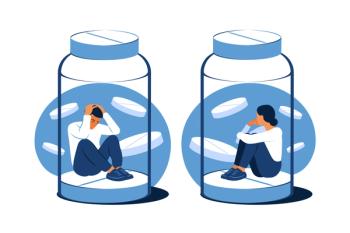
Use of antidepressants and other classes of prescription drugs can increase the risk of driving impairment compared to nonuse, so clinicians and pharmacists should review these risks with older adults.

“There is method to this madness” describes routines that affect adherence to medication regimens.

Investigators said that these results were promising, indicating that trigonelline could help to alleviate cognitive decline associated with aging.

Maintaining a purpose in life has the potential to reduce apathy related to dementia and cognitive decline.
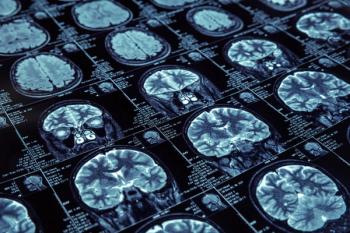
In clinical trials, lecanemab showed a reduction of amyloid beta plaque in patients with Alzheimer disease.

Testosterone may protect the brain against dementia pathology, but the association has not been proven.

Infections were associated with a 1.49-fold increase in the rate of dementia in both the short- and long-term rates, however, the increases were greater in the short term.

Symptoms of dementia can be difficult to differentiate from typical age-related behavior changes and other common and potentially curable conditions.

Failing to protect the elderly from disease has consequences beyond nursing homes.

In addition to improving risk evaluation in older adults at home, point-of-care testing may help clinicians manage patients with dementia who cannot communicate and those living in depopulated areas.