




Vitamin D may reduce the risk of dementia because it clears amyloid that accumulates in the brain.
Vitamin D may reduce the risk of dementia because it clears amyloid that accumulates in the brain.

Cognitive performance was higher if a person maintained physical activity throughout their lifetime.

Investigators focus on whether legalization of the drug is associated with an increase in health care use for the psychotic disorder.
Low cognitive functioning and cognitive decline have been linked to an increased risk of morbidity and mortality.
The association with subgroups of gene variations based on expression or function should be assessed in larger studies, investigators say.

Early treatment of poor oral health could lead to brain health benefits.

Pimavanserin is an atypical antipsychotic indicated for the treatment of Parkinson disease-associated hallucinations and delusions.
Promising results for lecanemab's efficacy in patients with mild cognitive impairment or mild dementia associated with Alzheimer disease were accompanied by reports of adverse effects associated with treatment.

Pharmacists should be vigilant in recognizing medications that are causing insomnia in a patient's profile or electronic medical record.

When replaced with just 6 to 7 minutes daily of light-intensity exercise or sedentary behavior, data show poorer cognitive performance.

The findings suggest that reduced gray matter is not the cause of psychiatric illness, although it is found in regions of the brain associated with it.
The model can predict the chronological ages of cognitively normal participants with an average absolute error of 2.3 years, which is about 1 year more accurate than an existing model.
Study is the first to examine calciferol in brain tissue, which may help investigators understand dementia and its causes.

Psilocybin is derived from certain types of mushrooms and has been proven to affect serotonin receptors.

Analysis indicates that Acadia Pharmaceuticals Inc’s pimavanserin is the only FDA-approved medication for the treatment of delusions and hallucinations associated with PDP.
Indication can play a major role in pharmacists recommending brain health products.

Although physical activity and the practice of being present in the moment are associated with many benefits, analysis shows that neither led to measurable improvements in brain health.
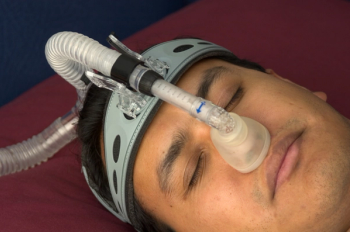
The decision is updated from a 2017 recommendation to screen people for obstructive sleep apnea, which can lead to daytime sleepiness and other adverse outcomes.
White adults in their midlife showed slower brain aging than Black and Latinx individuals, but between mid- and late life, they showed increased signs of aging.

With the advent of disease-modifying therapies, the life span of patients with multiple sclerosis has increased dramatically.

Prior research has associated early adolescent use of hormonal contraceptives with the risk of depression in adulthood.

IPX203 is a novel, oral formulation of carbidopa/levodopa extended-release capsules.

Five hours or less hours of sleep per night at 50 years of age was associated with a 25% higher risk of mortality over 25 years of follow-up.
Patients with Alzheimer disease administered gantenerumab did experience slower clinical decline, however, it was not deemed statistically significant.
A new study suggests that 30.5% of US adults lose out on 1 hour or more of sleep due to disturbances.