



























































































AstraZeneca today announced that it has completed the strategic transaction to transfer the rights to Almirall's respiratory franchise to the company.

AstraZeneca today announced that it has completed the strategic transaction to transfer the rights to Almirall's respiratory franchise to the company.
Asthmatics with vitamin D deficiency are significantly more susceptible to acute asthma attacks.
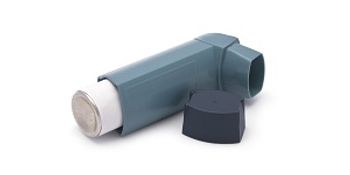
As a result of confusing sensations of breathlessness with asthma symptoms, overweight and obese children tend to report poorer asthma control and overuse rescue medications.

Even though smoking can exacerbate respiratory conditions and limit the efficacy of their treatment, patients often purchase cigarettes while filling prescriptions for asthma or antihypertensive drugs at pharmacies.

ADHD medications are prone to the same abuse, misuse, and diversion as opioids.
The results of an FDA safety review of omalizumab (Xolair) suggest the asthma drug slightly elevates the risk of serious cardiovascular and cerebrovascular adverse events.
Those who fear they will lose their jobs have an increased risk of developing incident asthma.
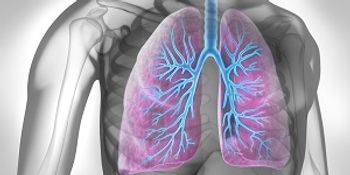
Implementing physician-pharmacist collaborative management methods reduces asthma-related emergency department visits.
Combining 2 classes of COPD medications leads to better outcomes for older adults with comorbid asthma.
Researchers found that inhibiting development of T helper 2 cells may be advantageous in the control of allergic responses.

Chronic lung disease may increase the risk of developing lung cancer, independently of tobacco use and other known risk factors.

Children who received antibiotics in their first year of life were significantly more likely to develop transient wheezing and persistent asthma, and the risk increased with each course of antibiotics.
New research suggests that nurses who are exposed to disinfecting cleaners while on the job may be at an increased risk for developing asthma.
Women in early pregnancy who eat foods to which children are commonly allergic may help reduce their child's risk for allergies and asthma, suggest the results of a recent study.
Heading back to school after summer vacation may increase the risk for asthma exacerbations among children with the condition, the results of a recent study suggest.
Children diagnosed with attention-deficit/hyperactivity disorder may be more likely to be diagnosed with asthma as well, according to the results of a new study.
Patient education on asthma can reduce related hospitalizations, emergency visits, and deaths.
Pharmacists can take measures to help schoolchildren with allergies and asthma.
OTC case studies involving seasonal allergies, perennial allergies, and asthma.

A pair of new studies looks at the effect of care from a multidisciplinary team of providers and use of a smartphone app on asthma adherence in young patients.