
































































































Fevipiprant significantly decreased asthma symptoms.
Fevipiprant significantly decreased asthma symptoms.

Top news of the day from across the health care landscape.

A new tool called temple matching allows hospitals to compare the treatments of similar patients.
Healthcare utilization and costs increased with higher doses of corticosteroids.

Researchers examine whether insurance status impacts treatment of children with asthma.
Long-term culturing of stem cells may improve the treatment of respiratory conditions.
Chronic obstructive pulmonary disease patients who use opioids face a higher risk of respiratory-related death.

3M Drug Delivery Systems will be working to introduce its Intelligent Inhaler to the market by developing a partnership with pharmaceutical companies.
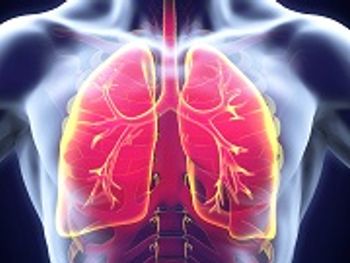
Medication targets the protein IL-33 that plays a role in asthma.

Caregivers need to carefully monitor comorbidities that accompany a COPD diagnosis.
There was a 210% increase in NTM occurrence in patients with COPD taking ICS.

Nanoparticle thymulin gene therapy may reduce inflammation in chronic asthma.
Persistent VPC asthma was seen in 48% of patients in the TENOR II study.
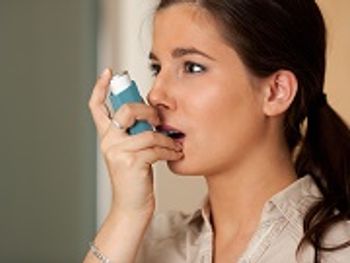
About 89% of respondents used a rescue inhaler and as many as 1 in 3 respondents were misdiagnosed prior to asthma diagnosis.

Chronic health conditions are on the rise among children, especially those living in poverty.

A New Jersey pharmacist recently went above and beyond to care for a young girl having an acute asthma attack.
Bacteria frequently found deep inside the lungs of chronic obstructive pulmonary disease patients.

Big data from social media may help anticipate emergency department visits for chronic conditions.

Tweets about asthma could provide clues to asthma-related emergency room visits.
HDM SLIT with ICS could reduce the risk of moderate or severe asthma exacerbations.

Children living in extreme poverty with conditions such as asthma or ADHD more likely to have other chronic conditions.
Bevespi Aerosphere is a twice-daily, fixed-dose dual bronchodilator combining a long-acting muscarcinic antagonist and a long-acting beta-2 agonist.
Bevespi Aerosphere is a twice-daily, fixed-dose dual bronchodilator.
Lack of social support among the leading risk factors for anxiety among COPD patients.

The results of a recent study indicate that patients with asthma cannot reduce their risk of developing the common cold by taking vitamin D supplements.