





Allergy
Latest News
Advertisement
Latest Videos




CME Content





























































































Advertisement
More News

Pharmacists improve outcomes by clarifying and delabeling inaccurate antibiotic allergies.

Omalizumab expands its role in allergy management, now FDA-approved for food allergies, showcasing potential for broader applications in allergic rhinitis.

Jennifer Guthrie, RPh, district leader at CVS pharmacy describes the different medications to treat allergy symptoms and highlight how CVS stands out when addressing patients’ needs.

NS-229 is a Janus kinase 1 (JAK1) inhibitor being investigated in eosinophilic granulomatosis with polyangiitis, a rare autoimmune condition that can cause severe allergic and asthmatic symptoms through inflammation of nerve cells.

The smartphone application-led delabeling also did not delay surgeries or procedures in the evaluated clinics.

Children who received antibiotics between birth and 2 years of age were more likely to develop food allergies, allergic rhinitis, and asthma, but not neurodevelopmental conditions.

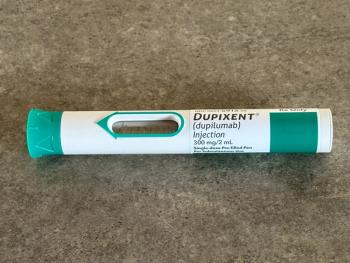
FDA Approves Dupilumab, Marking First Targeted Therapy in a Decade for Chronic Spontaneous Urticaria
Published: | Updated:
Multiple phase 3 clinical trials demonstrated dupilumab’s (Dupixent; Regeneron, Sanofi) effectiveness in reducing hives and itch in patients with chronic spontaneous urticaria compared with placebo.

Authors of a review published in The Journal of Allergy and Clinical Immunology emphasized that blood eosinophil count and fractional exhaled nitric oxide cannot be relied on.

In mouse models, researchers identified that immune cells within the intestine may prevent unwarranted attacks against harmless food allergens.
At 12 and 24 months, there were 56.9% and 73.5% reductions in food-specific immunoglobulin E (IgE).


Symptoms occur when airborne irritants enter the eyes, nose, and throat, causing an allergic reaction.

Approximately 74% of patients with chronic rhinosinusitis with nasal polyps receiving depemokimab across 2 trials did not need additional intervention.

Although dietary changes have historically been a key approach to managing eosinophilic esophagitis, their limitations highlight the need for pharmacologic treatments.

The authors note that further research is needed to clarify cost-effectiveness, long-term adherence, and psychosocial impacts of oral immunotherapy.

Although the 16-week end point was not met, tezepelumab demonstrated meaningful effects in patients with chronic spontaneous urticaria (CSU) after 32 weeks.

According to a news release, this marks the first significant innovation in epinephrine delivery for this patient population is more than 35 years.

Tezepelumab demonstrated efficacy compared with placebo when treating patients with chronic rhinosinusitis with nasal polyps.

The updated indication now includes pediatric patients aged 5 through 11 years.

Health care professionals and patients must recognize that rapid administration of adrenaline is the only first-line treatment for anaphylaxis.

Lawsuits were initiated against the pharmacy and prescriber.

The FDA-approved treatment did not cause as many adverse events as immunotherapy when treating patients with multi-food allergy.

In children aged 1 to 3 years, the VP250 peanut patch was superior to placebo in the desensitization to peanuts and increasing the peanut dose that triggers allergic symptoms.

The authors are optimistic that these findings may help develop defenses to prevent food allergies in at-risk infants.

After gradually consuming increased doses of peanut butter, children who could initially tolerate about half a peanut could consume 3 tablespoons without an allergic reaction.
Advertisement
Advertisement
Trending on Pharmacy Times
1
FDA Approves First-in-Class Daraxonrasib for Metastatic Pancreatic Cancer
2
What Pharmacists Should Know About Novo Nordisk-Eli Lilly GLP-1 Ad Suit
3
FDA Approves Dolutegravir for HIV Treatment in Newborns
4
FDA Clears First Continuous Glucose-Ketone Monitor
5