






























































































Immune cells in lung cancer are connected to allergic conditions found in eczema and asthma.

Immune cells in lung cancer are connected to allergic conditions found in eczema and asthma.

Individuals treated with remibrutinib demonstrated symptom control improvement in week 2 of the trial

Peanut sublingual immunotherapy offers a practical treatment option for peanut-allergic toddlers, reducing symptoms in 80% of children.

The designation allows expedited development of ADP101 as a treatment for food allergy in children ages 4 to 17 with confirmed allergy to 1 or more of the 15 foods in the drug product.

Investigators believe that the activation of mast cells drives inflammation and contributes to plaque buildup, causing heart attacks and other damage to the heart.

In addition to language barriers, pharmacy translation software errors may cause further complications when filling patient prescriptions.
The presence of the TPSAB1 gene could help clinicians identify increased food allergies.

Changes in gene expression could ultimately boost the production of inflammatory cytokines.

Contrary to earlier advice, new research suggests introducing infants to potential allergens early may reduce risk of developing allergies to those foods

The study authors note that it is important for expectant mothers to use antibiotics appropriately and when necessary, as well as monitor their child after birth.
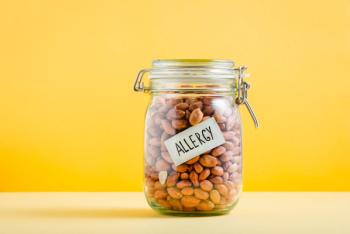
Abrocitinib can reduce allergic responses in patients with a peanut allergy by decreasing cytokine activity and maintaining regulatory T cell activation.

Researchers find correlation of increased anaphylaxis with the use of a-tryptase.

With new guidelines surrounding the introduction of peanuts to infants as young as 4 months of age, more work needs to be done to increase awareness among parents and caregivers to prevent peanut allergy at an early age.

Mobile apps can help consumers acquire medications, but few help with adherence beyond automatic refills or medication synchronization.

Although second-generation antihistamines are preferred, patient preference should drive selection of therapy.

Study results indicate that taking these products together reduces the risk of rebound congestion typically seen with intranasal decongestant therapy.

Nonprescription products manage mild to moderate symptoms, but more severe cases need further medical evaluation.

Eye drops come in many forms and for many indications, such as redness, itchiness, dryness, allergies, dilating drops, glaucoma drops, lubricants, numbing agents, antibiotics, and to lower pressure.

Artificial intelligence is allowing researchers to redesign the interaction between the immune system and the protein of an allergen to safely overcome symptoms.
One hypothesis suggest that our environment is too sterile.

Clogged or inflamed sinuses spell misery, but many products can relieve the pain and pressure.

Although pharmacists possess a wealth of knowledge on AEs, it remains a monumental task to recall the clinical significance of every AE, even with the most commonly used medications.

Parties and get-togethers often present challenges for patients with allergies, particularly with home-cooked food that may have unclear ingredients.

Pharmacists can remind parents to have an EpiPen on hand and to carefully review candy after trick-or-treating.

Choosing the appropriate device and using the correct technique are critical for drug delivery to the lungs.