
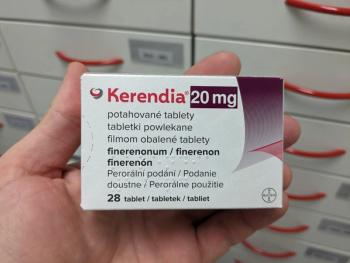
Finerenone slows nondiabetic chronic kidney disease, improving eGFR slope and signaling a possible FDA expansion.
Finerenone slows nondiabetic chronic kidney disease, improving eGFR slope and signaling a possible FDA expansion.

Novo Nordisk's Nicky Kelepouris, MD, discusses the REAL8 trial, the expanded pediatric indications for once-weekly somapacitan, and the pharmacist's role in supporting families navigating long-term growth hormone therapy.

Sibeprenlimab, a new APRIL blocker, cuts proteinuria in IgA nephropathy.

Patients receiving dialysis with primary care physicians had lower rates of emergency department visits compared with those without primary care involvement.

Tanika Kelly, PhD, MPH, discusses her study finding that greater chronic kidney disease (CKD) severity significantly increases the risk of cognitive impairment, with important implications for how pharmacists counsel and support these patients.

Navepegritide becomes the first and only once-weekly treatment to increase linear growth in children with achondroplasia.

Pegvaliase becomes the only enzyme substitution therapy approved to reduce blood phenylalanine concentrations in patients with phenylketonuria.
FDA priority review of rusfertide signals a new PV option, cutting phlebotomy reliance and improving hematocrit control, with pharmacists guiding injections and safety.

Somapacitan-beco becomes the first and only once-weekly growth hormone approved for children with idiopathic short stature, those born small for gestational age, and those with Noonan syndrome, offering an alternative to daily injections.

A large cohort study found that urate-lowering therapy was associated with a reduction in risk for composite kidney outcomes in patients with stage 3 or higher chronic kidney disease (CKD) and hyperuricemia.

A new cohort study found that proteinuria and lower eGFR—particularly in combination—were prospectively associated with multiple domains of cognitive impairment in patients with chronic kidney disease (CKD).

Pitolisant is now the first and only FDA-approved nonscheduled treatment for cataplexy in pediatric and adult patients with narcolepsy.

Incretin-based therapies were associated with a lower risk of dementia compared with sulfonylureas in older adults with type 2 diabetes, highlighting potential cognitive benefits relevant to long-term diabetes management.

Pharmacists are central to optimizing chronic kidney disease (CKD) diagnosis and monitoring long-term adherence to disease-modifying therapies.

The platform offers uninsured patients discounted drug prices, though it is important to note that the platform does not sell drugs, and only a small number are currently available.
Sodium-glucose co-transporter-2 (SGLT2) inhibitors in patients with type 2 diabetes (T2D) were found to reduce the risk of chronic kidney disease (CKD) and key associated factors, like eGFR and albuminuria.

Increased integration of pharmacists in veterinary practice reduces medication errors and improves safety, adherence, and client education.

Legislation targeting the practices of pharmacy benefit managers (PBMs) was passed by Congress and signed by the president, with the goal of greater transparency and increased pharmacy access.
Explore all 16 agreements struck thus far between pharmaceutical companies and the White House to adhere to most favored nation pricing for drugs sold in the United States.

Multidisciplinary coordination and streamlined workflows enabled rapid patient access to plozasiran after FDA approval at Stony Brook University Hospital.

Exclusive insights from Ned Milenkovich, PharmD, JD, help parse what pharmacists should be aware of as most favored nation initiatives are agreed upon with the federal government.

On Chen, MD; and Tahmid Rahman, MD, join Pharmacy Focus to discuss the world's first commercial administration of plozasiran at Stony Brook Medicine.

Multidisciplinary coordination and streamlined workflows enabled rapid patient access to plozasiran after FDA approval at Stony Brook University Hospital.

Cardiotoxic signals released from the kidneys may drive cardiovascular risk in patients with chronic kidney disease, opening the door to earlier detection and targeted treatment.
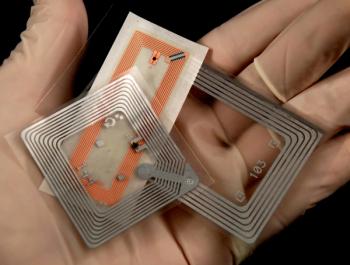
Explore how radio frequency identification (RFID) technology enhances medication safety, operational efficiency, and patient care in health care and pharmacy settings.

Patients with chronic kidney disease (CKD) send miRNA extracellular vesicles to the heart, contributing to the pathogenesis of heart failure.
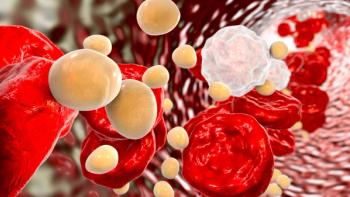
On Chen, MD, and Tahmid Rahman, MD, explain the real-world safety, dosing advantages, and pharmacist-driven identification strategies for patients who may benefit from plozasiran therapy.

Plozasiran offers a novel RNA-based mechanism to significantly reduce triglyceride levels in patients with familial chylomicronemia syndrome.

Subcutaneous copper histidinate injections deliver copper in a form that bypasses the genetic defect caused by Menkes disease.