
Jai Radhakrishnan, MD, discusses why IgG4-related kidney disease is often missed and what MITIGATE subgroup data presented at ASN Kidney Week 2026 show
Jai Radhakrishnan, MD, discusses why IgG4-related kidney disease is often missed and what MITIGATE subgroup data presented at ASN Kidney Week 2026 show
Christina O'Connor, PharmD, advises at least 2 g ceftriaxone every 24 hours and considering alternatives to ertapenem in select critically ill patients.

Pharmacy Times featured experts on kidney function assessment, IgG4-related disease, emerging CKD therapies, and gaps in cardiorenal care.
With AI handling manual calls and clinical notes, pharmacists and technicians can refocus on getting patients to care and keeping them on therapy.

At issue is whether faster clearance of unbound drug shortens free time above the minimum inhibitory concentration, a question with substantial literature and strong opinions on both sides.

In the phase 3 B-Well trials, about 1 in 5 adults reached functional cure after a fixed course, but a boxed warning makes monitoring key for pharmacists.

The once-daily device, bioequivalent to the existing prefilled syringe, gives adults with AChR antibody-positive generalized MG a second self-injection option.

In an interview with Pharmacy Times, Ali A. Habib, MD, clinical professor of neurology at the University of California, Irvine, discusses what the hospitalization findings mean for patients and why they should be viewed as supportive evidence

The gap is not a paperwork inconvenience—it is a cash flow problem with clinical consequences.

Decades after cisplatin's approval, platinum-based chemotherapy continues to anchor treatment regimens across tumor types, new research finds.
FDA clears tiratricol for MCT8 deficiency, lowering dangerous T3 and outlining dosing, lab testing, and pharmacy access.

AI-driven coding fuels specialty EHRs and telehealth tools, making ePrescribing faster, tailored, and affordable while shifting focus to workflow and compliance.

The once-daily tablet is the third approved treatment for fibrodysplasia ossificans progressiva (FOP), with CYP3A4 and metformin interaction guidance.
Katelyn O'Brien, PharmD, emphasizes sick-day management and preprocedure holds to lower euglycemic DKA risk with sodium-glucose cotransporter 2 (SGLT2) inhibitors.

With changes in Medicaid eligibility looming, hospitals must plan now to keep patient care gaps at bay.

Apitegromab-mstn is cleared as an add-on to SMN2-targeted treatment for patients aged 2 and older, directly addressing muscle loss.

Jackie Burke, PharmD, has advice for strengthening collaborative drug therapy management (CDTM) in a year: ask leaders what they need, then pilot one focused, trackable, reportable workflow.

Jackie Burke, PharmD, says the widest collaborative drug therapy management (CDTM) gap is operational—implementing workflows and showing outcomes, not proving pharmacists' clinical expertise.

Katelyn O'Brien, PharmD, says a shared view of cardio-kidney-metabolic syndrome lets pharmacists unify care across endocrinology, cardiology, and nephrology.

Once-daily oral deucrictibant extended-release significantly reduced hereditary angioedema attacks compared with placebo in the pivotal phase 3 CHAPTER-3 trial.
Publication, conference dissemination, and guideline inclusion are needed for uptake, which has historically been poor for chronic kidney disease (CKD) outcome sets.

Zilganersen, an antisense oligonucleotide targeting glial fibrillary acidic protein, is cleared for pediatric and adult patients across all ages.
A minimum agreed set of outcomes could let pharmacists compare chronic kidney disease (CKD) interventions head-to-head and cut the heterogeneity that has long muddied trials.

Five "essential" outcomes, including medication error and adherence, should anchor every pharmacist intervention study in chronic kidney disease.
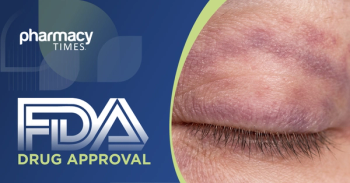
Brepocitinib (Lisraya), a once-daily TYK2-JAK1 inhibitor, is the first oral therapy approved for adults with the rare autoimmune disease.
Kidney-protective therapy is now layered. How pharmacists screen, stage by KDIGO, stagger ACE/ARB, SGLT2, GLP-1, and finerenone, and cut CV risk.

Genglycos wins accelerated approval to cut daily cornstarch reliance in patients aged 8 and older with the rare metabolic disorder.

Garetosmab-grts cut new heterotopic ossification lesions by 90% or more at 56 weeks in the phase 3 OPTIMA trial.

Beyond financial considerations, the emotional meaning of retirement is an often-forgotten question.
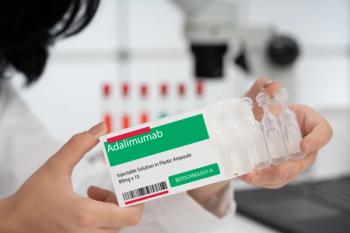
Data show adalimumab biosimilars can replace brand-name treatment with minimal gaps, high persistence, and sharply lower drug costs for patients and plans.