The once-nightly drop, previously approved to reverse pupil dilation, met its primary end point in 2 phase 3 trials, with conjunctival hyperemia most common.
FDA priority review of rusfertide signals a new PV option, cutting phlebotomy reliance and improving hematocrit control, with pharmacists guiding injections and safety.
In a major step toward transforming the treatment landscape for polycythemia vera (PV), the FDA has accepted a new drug application and granted priority review for rusfertide (Takeda), a potential first-in-class therapy. This investigational hepcidin mimetic peptide aims to address the significant unmet needs of the approximately 65,000 Americans living with this chronic blood cancer.1,2
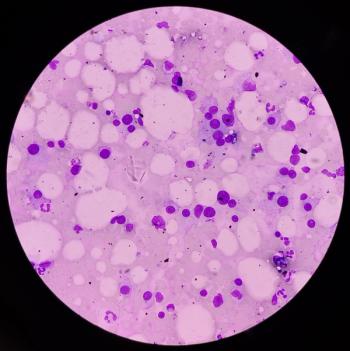
PV is a myeloproliferative neoplasm characterized by the overproduction of red blood cells, which increases blood viscosity and poses a life-threatening risk of arterial and venous thrombosis. Over 95% of patients carry a JAK2 gene variant, and many have debilitating symptoms, including severe pruritus, fatigue, and splenomegaly.2
Crucially, PV is a progressive condition with long-term risks that extend beyond immediate thrombotic events. Approximately 12.7% of patients with PV will eventually develop myelofibrosis, a more advanced and serious stage of the disease.2 This progression underscores the importance of effective, long-term therapeutic strategies that can manage the disease before it evolves into more aggressive forms of hematologic cancer.
Current standard of care focuses on maintaining a hematocrit level below 45% through low-dose aspirin and therapeutic phlebotomy. However, many patients remain dependent on phlebotomy or find current cytoreductive therapies, like hydroxyurea, difficult to tolerate.
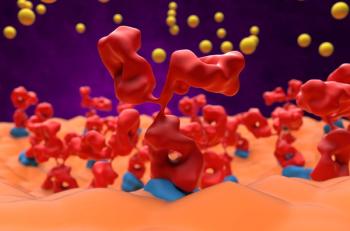
Rusfertide introduces a novel mechanism of action by mimicking hepcidin, a natural hormone that regulates iron homeostasis and red blood cell production.1 By targeting the underlying mechanism of iron dysregulation, the drug aims to reduce excess red blood cell production and achieve sustained hematocrit control without the constant need for phlebotomy.
In the phase 3 VERIFY study (NCT05210790), rusfertide plus standard care more than doubled clinical response rates compared with standard care alone, showing significant improvements in hematocrit control and patient-reported outcomes such as fatigue.
As rusfertide moves toward potential approval in the third quarter of 2026, the pharmacist's role will be central to the successful integration of this first-in-class peptide into clinical practice.
Unlike many current PV treatments, rusfertide is administered as a once-weekly subcutaneous self-injection.1 Pharmacists will be frontline educators, ensuring patients are proficient in self-injection techniques and understand the importance of strict adherence to maintain hematocrit levels below the critical 45% threshold.
Pharmacists will play a vital role in monitoring the safety profile of this new therapy. Clinical trials indicate that although rusfertide is generally well tolerated, common treatment-emergent adverse events include injection site reactions (47.4%), anemia (25.6%), and fatigue (19.6%).1 Pharmacists will be responsible for counseling patients on managing localized skin reactions and monitoring laboratory results for signs of anemia, which may require dose adjustments.
Beyond dispensing, clinical pharmacists will likely collaborate with hematologists to track patient response. Because rusfertide reduces the need for therapeutic phlebotomy, pharmacists will be essential in coordinating care transitions and ensuring that patients who were previously dependent on frequent clinical visits for blood draws maintain their therapeutic goals with their new self-administered regimen.
With its breakthrough therapy and fast track designations, rusfertide represents a shift toward more specialized, patient-managed care in hematology. As the Prescription Drug User Fee Act target action date approaches, pharmacists will need to bridge the gap between this innovative treatment and improved quality of life for patients with PV.