

New research has examined the details surrounding the signaling molecule interleukin-2, which could lead to more targeted therapies for diseases such as cancer.
New research has examined the details surrounding the signaling molecule interleukin-2, which could lead to more targeted therapies for diseases such as cancer.
Guidelines recommend that Ashkenazi Jewish women discuss genetic testing with physicians, but other women with breast cancer are less likely to receive a recommendation of testing.

A study published in Clinical Cancer Research has shown that using standard-of-care computed tomography (CT) scans in patients with advanced non-small cell lung cancer (NSCLC) can predict tumor sensitivity to 3 systematic cancer therapies by using artificial intelligence (AI).

Following a 7.5% increase in melanoma-related deaths among white Americans between 1986 and 2013, researchers have now found a nearly 18% decline over the following 3 years.
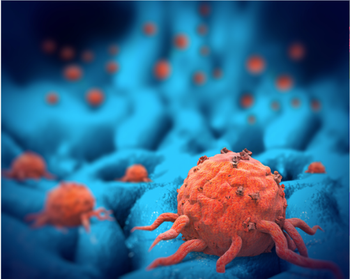
Research may lead to the development of new types of binding proteins for biological sugar structures, which play a significant role in cancer and infectious diseases.

Patients with a history of cancer have a greater likelihood of developing atrial fibrillation, the most common heart rhythm disorder, compared with the general population.

Despite numerous treatment advances, early detection, public education, and smoking cessation are the best bets.
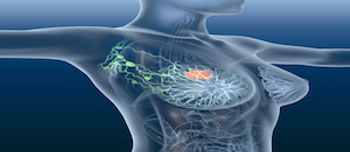
The new study has found that the lymphedema monitoring technology, marketed by LymphaTech, can effectively detect early arm swelling associated with lymphedema in breast cancer patients.
Trastuzumab-dttb was first approved in January 2019 across all eligible indications, mainly adjuvant treatment of HER2-overexpressing breast cancer, metastatic breast cancer, and metastatic gastric cancer.

The growth of the pipeline has led to increases in insurance carriers’ specialty plan spend.
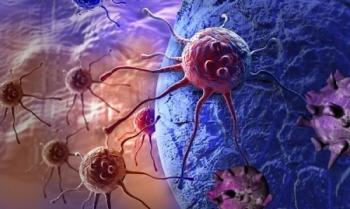
Statins, widely used to lower cholesterol and prevent heart disease, may guard against heart damage caused by certain breast cancer therapies.

“We’re pretty devastated,” said Jessica Harris, a friend of Rutter, in an interview with WFSB. “She beat cancer and lost the battle to coronavirus—it’s just crazy.”

Although preventive measures may be largely the same for patients with cancer during the COVID-19, the pandemic could result in difficult treatment decisions.
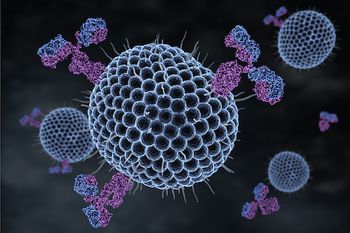
A new study shows that the advantages of digital breast tomosynthesis are maintained over multiple years and rounds of screening compared with digital mammography.
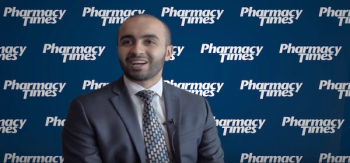
Kirollos Hanna, PharmD, BCPS, BCOP, explains antibody drug conjugates and their method of action. This video was filmed at the Hematology/Oncology Pharmacists Association 2020 Meeting in Tampa, Florida.
A growth hormone known as insulin-like growth factor-1 has been found to play a role in the development of breast cancer.

Illustrating how pharmacists improve the lives of others in the health environment, and using data to back that up are the 2 most necessary steps in gaining approval for a new hire.

New research shows targeting stromal cells may be an effective way of overcoming resistance to chemotherapy and radiation in patients with glioblastoma, a deadly brain cancer.

Cannabis is comprised of over 480 compounds and 70 distinct cannabinoids, but tetrahydrocannabinol (THC) and cannabidiol (CBD) are the 2 most commonly used.

The FDA has approved nivolumab plus ipilimumab injections for intravenous use to treat hepatocellular carcinoma in patients who have been previously treated with sorafenib.
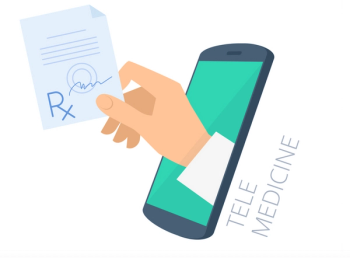
Novel approaches such as telemedicine may be a way to reach rural patients with cancer, according to a panel discussion at the Hematology/Oncology Pharmacists Association 2020 Meeting
Lesbian, gay, bisexual, transgender, and queer (LGBTQ) patients with cancer face specific barriers when seeking medical care, but pharmacists and other medical professionals can take specific steps to reduce the gaps in care.

Individuals with the highest mercury levels in their blood were 79% more likely to report having had a non-melanoma skin cancer than those with the lowest levels.

Due to the uniqueness of each disease state and motivations of each player in the market to capture revenue from the growing industry, there is an abundance of specialty pharmacy solutions available in the market.

Pharmacy Times will be on-site next week to provide coverage of the sessions, recaps of the panel discussions, and interviews with the experts.

Gilead has agreed to pay $95.50 per share in cash for Forty Seven Inc, adding the 5-year old biotechnology company to bolster its portfolio of oncology drugs.
A study offers evidence that chimeric antigen receptor T-cell therapy may not only extend patients’ survival, but also improve their quality of life after treatment.
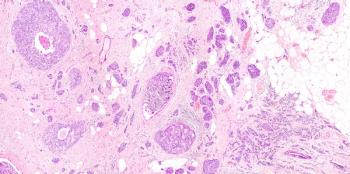
AL101 is a potent, selective, injectable small molecule gamma secretase inhibitor and was granted Orphan Drug designation in May 2019 for the treatment of ACC.

Pharmacists should be aware of what drug repurposing is and how it occurs as due to the vast amount of opportunities that exist.

Melissa B. Armitage, PharmD, BCOP, a clinical pharmacist who works in breast oncology at the Moffitt Cancer Center in Tampa, Florida, discussed this disease's pathophysiology, natural progression, and risk factors.