

In a live 2020 Directions in Oncology Pharmacy® conference session, the presenter provided an update on the management of cervical and endometrial cancers.
In a live 2020 Directions in Oncology Pharmacy® conference session, the presenter provided an update on the management of cervical and endometrial cancers.

Updated phase 3 progression-free survival and overall survival data demonstrated clinical benefits in efficacy and tolerability of oral paclitaxel and encequidar versus intravenous paclitaxel in patients with metastatic breast cancer.

Belantamab mafodotin-blmf (Blenrep; GlaxoSmithKline) is the first in its class anti-BCMA therapy to gain FDA approval.

Inqovi (decitabine and cedazuridine) tablets from Astex Pharmaceuticals, Otsuka Pharmaceutical, and Taiho Oncology are indicated to treat adults with myelodysplastic syndromes.

In a live 2020 Directions in Oncology Pharmacy® conference session, an update on research in the past decade that has led to improvements in the diagnosis, risk stratification, prevention, and treatment of acute graft-versus-host disease was provided.

Rucaparib is an oral, small molecule inhibitor being developed in multiple tumor types, including ovarian and metastatic castration-resistant prostate cancers.
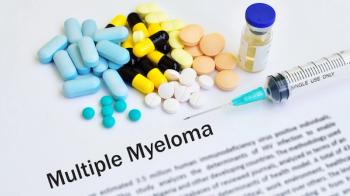
Three monoclonal antibodies, 1 antibody-drug conjugate, and 1 nuclear export inhibitor have been approved by the FDA for relapsed/refractory (R/R) multiple myeloma in the past 4 years.

With the explosion of new therapies for cancer, the role of the oncology pharmacist continues to expand.

Osimertinib (Tagrisso; AstraZeneca) is indicated for treatment in patients with non-small cell lung cancer (NSCLC) whose tumors have a specific type of genetic mutation.

Heading into the new year, we hope that pharmacists and pharmacy staff enjoy a happy and safe holiday season, and receive a well-deserved break after working especially hard in 2020.

Selinexor (Xpovio; Karyopharm Therapeutics Inc.) in combination with bortezomib (Velcade; Takeda) and dexamethasone was approved for the treatment of adult patients with multiple myeloma who have received at least 1 prior therapy.

Relugolix is the first oral drug in this class to receive FDA approval, and it may eliminate some patients’ need to visit the clinic for certain treatments.

The COVID-19 pandemic has accelerated both acceptance and payment of novel care delivery models including telehealth.

A live 2020 Directions in Oncology Pharmacy® conference session emphasized pharmacist involvement in optimizing therapy with BTK inhibitors.

FDA approves margetuximab-cmkb (Margenza) in combination with chemotherapy for the treatment of adult patients with metastatic HER2-positive breast cancer who have previously received 2 or more anti-HER2 regimens.
Rami Komrokji, MD, discusses what the MOST study's results mean for investigating second-line treatment options in myelofibrosis.

Advances in biotechnology have improved the production and recombination of antibodies, leading to improvements in monoclonal antibody therapies.

Counseling patients on possible adverse effects that impact skin health can help patients prepare for serious or cosmetic impacts.
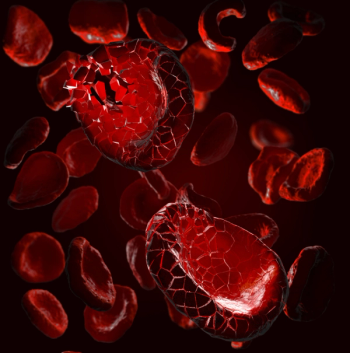
The FDA has granted a fast track designation to devimistat (CPI-613) for the treatment of patients with acute myeloid leukemia.

Financial toxicity can lead to worse long-term outcomes and psychological distress among patients with breast cancer.
Rami Komrokji, MD, discusses whether the majority of patients in the MOST study were being treated at the time of enrollment, and why real-world data is so essential.
The specialty drug pipeline is coming off a strong year, and the oncology pipeline has a wealth of potential oncolytics.
Rami Komrokji, MD, discusses common prior treatments of low-risk and intermediate-1 risk patients in the MOST study.

Study shows the mortality rate among breast cancer survivors is lower among those who received fertility preservation.

The cost of oncology treatment is high and rising in the United States.
Rami Komrokji, MD, clinical director of malignant hematology and department lead clinical investigator at the H. Lee Moffitt Cancer Center and Research Institute speaks about why data are limited in myelofibrosis.

In an interview with Pharmacy Times, Helen Thackray, MD, Thackray describes what she hopes to see for future trials involving sickle cell disease and rivipansel for acute vaso-occlusive crisis.
In an interview with Pharmacy Times, Helen Thackray, MD, Thackray emphasizes the importance of administering rivipansel early in vaso-occlusive crisis and how it is meaningful for both adults and children with sickle cell disease.
Rami Komrokji, MD, clinical director of malignant hematology and department lead clinical investigator at the H. Lee Moffitt Cancer Center and Research Institute speaks about factors in treatment decisions for patients with myelofibrosis.

Data from a preliminary phase 1b/2 study demonstrated a single low-dose infusion of ciltacabtagene autoleucel resulted in early, deep, and durable responses in heavily pretreated patients with multiple myeloma.