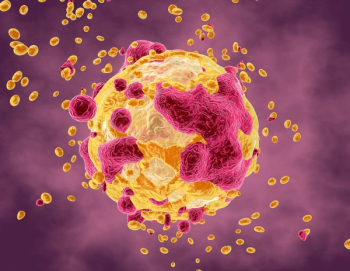
The FDA has granted fast track designations to cavrotolimod (AST-008) for use in combination with a PD-1 therapy in patients with locally advanced or metastatic Merkel cell carcinoma.
The FDA has granted fast track designations to cavrotolimod (AST-008) for use in combination with a PD-1 therapy in patients with locally advanced or metastatic Merkel cell carcinoma.
The Association of Community Cancer Centers offers virtual learning series.

Pvsripo is a novel immunotherapy that activates patients’ innate and adaptive immune system to enable anti-tumor response and establish immunologic memory to prevent the recurrence of cancer.
Darolutamide led to a 31% reduction in the risk of death, extending survival for patients with non-metastatic prostate cancer.

FDA approves request submitted by Moleculin Biotech, Inc. for rare disease designations to be granted their drug candidate that appears to directly elicit tumor cell death and prompt the immune system to eliminate tumors.
Pharmacy Times®, the leading multimedia resource for pharmacy professionals, adds the Association of Community Cancer Centers to its Strategic Alliance Partnership program.

Socioeconomic and racial health disparities contribute to worse cancer and COVID-19 outcomes.

According to the study authors, previous small studies suggested that women taking statins may have less heart muscle damage from these types of chemotherapy, yet the exact mechanisms of how statins protect against the cardiac cell damage remains unknown.
The FDA has granted a breakthrough therapy designation to tiragolumab for use in combination with atezolizumab (Tecentriq) in the frontline treatment of patients with metastatic non­–small cell lung cancer.

Chronic, low-level inflammation is one of the main causes of the diseases associated with obesity. For this reason, researchers investigated which cell type was responsible for triggering inflammation in fat tissue.

This study points to the potential for using CAR T-cell therapy effectively against solid tumors, as well, according to the authors.

Analysis demonstrates affordable access to care may be a factor in patient outcomes
The FDA has granted a fast track designation to an investigational antibody-drug conjugate for use as a monotherapy in the treatment of patients with advanced or metastatic HER2-positive breast cancer.

Pharmacists play a key role in educating patients on risk factors for cervical and endometrial cancers and can assist with treatment decisions, and management of potential adverse effects in patients with these cancers.
Consumption of sugary drinks regularly may be a major contributory factor to the epidemic of cancer, according to a study published by the British Medical Journal.
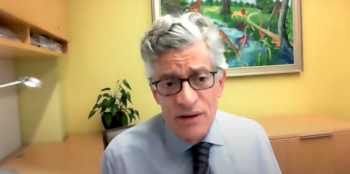
Randall A. Oyer, MD, discusses rising cancer mortality during the coronavirus disease 2019 (COVID-19) pandemic and what that means for cancer care.

Current and emerging indications for use in ovarian, breast, pancreatic, and prostate cancers are presented.

A shift toward precision oncology has individual treatment plans being created for improving patient outcomes.

In contrast with standard chemotherapy, long-term follow-up with ICI therapies showed a long-lasting effect on overall survival for non−small cell lung cancer.

The SUNY Outpatient Pharmacy has developed a strong collaboration with specialty pharmacy personnel and clinically embedded pharmacists.

HER2+ breast cancer accounts for 15% to 30% of the 276,480 women diagnosed with breast cancer annually in the United States.

Deferred care can result in worse outcomes, advanced complications, or earlier death for many patients with cancer, heart disease, and other serious illnesses.

Specialty pharmacies are the primary provider of oncology-related medication therapy.
In the 2020 Directions in Oncology Pharmacy® conference session, redefining the management of anemia in patients with cancer was discussed.

Reduce the risk of errors with rapid acting–insulins fentanyl patches and weight-based chemotherapy doses.

Pharmacists’ Roles in Addressing Oncology Biosimilar Challenges
Experts say the COVID-19 pandemic may create a shortage of plasma therapy.

Pharmacists should communicate the universal message that colorectal cancer screenings save lives.

Symposium speakers discussed how CDK4/6 inhibitors are game changers in treatment of HR+/HER2- advanced breast cancer.

Targeting screening to high-risk groups who are less compliant with recommendations could be more effective than general age-based recommendations.