

The specialty pipeline continues to grow at a rapid pace with a number of FDA approvals in 2019 for either new therapies or first in class for certain conditions, and many more drugs in development.
The specialty pipeline continues to grow at a rapid pace with a number of FDA approvals in 2019 for either new therapies or first in class for certain conditions, and many more drugs in development.

Patients with current or former smoking status may be at an increased risk of severe illness due to COVID-19.
The FDA granted osimertinib (Tagrisso) priority review designation for the adjuvant treatment of patients with early-stage EGFR-mutated non–small cell lung cancer following complete tumor resection with curative intent.

oNKord is a natural killer cellular immunotherapy product, meaning it can play an important role in controlling and curing both solid and hematological malignancies.
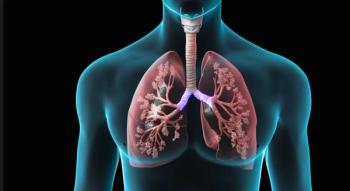
Pembrolizumab (Keytruda) has demonstrated promising activity when used in combination with chemotherapy or quavonlimab in select patients with nonsquamous non–small cell lung cancer.

The Mary Pazdur Award was presented during the JADPRO Live Virtual conference.

Pharmacy Times® interviewed Petros Grivas, associate professor at the University of Washington and Fred Hutchinson Cancer Research Center and a medical oncologist at Seattle Cancer Care Alliance, on the value of the pharmacist in the treatment of patients with cancer during COVID-19.

Top news of the week from Pharmacy Times.

Women diagnosed with cancer as adolescents or young adults can be especially vulnerable to the impact of the disease and its treatment on their ability to work.

Despite it being fall, sun safety is important all year and even needs to be considered for winter sport activities, such as snowboarding and skiing.

Evidence-based cancer regimens have been shown to result in better outcomes, including longer survival and less toxicity.
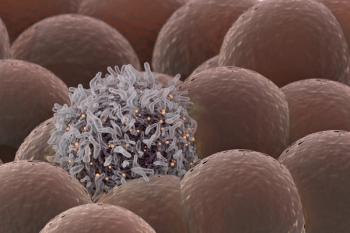
The COVID-19 pandemic has caused many routine colorectal cancer screenings to be delayed.

The research found that obese patients with diabetes were significantly less likely to develop pancreatic cancer if they had undergone bariatric surgery, with the majority of the patients in the study being female.

Enfortumab vedotin-ejfv (Padcev) elicited durable responses in patients with locally advanced or metastatic urothelial cancer who received previous treatment with a PD-1/PD-L1 inhibitor.

The authors concluded that a single dose of targeted intraoperative radiotherapy should be an option accessible to health care providers and discussed with patients.

Bacteria in the gut may play a role in the treatment outcomes of patients with prostate cancer taking oral medications, according to a recent study.

Study findings align with recent recommendations from the National Comprehensive Cancer Network for preventing febrile neutropenia in patients with early-stage breast cancer.
IMGN632 granted breakthrough designation for the treatment of patients with relapsed or refractory blastic plasmacytoid dendritic cell neoplasm.

Patients should talk to their health care team about when to reschedule a postponed or cancelled screening appointment.
Nivolumab plus ipilimumab is the first immunotherapy approved for previously untreated unresectable malignant pleural mesothelioma.

The results of an additional secondary endpoint from the phase 3 HERO study evaluating oral relugolix in men with advanced prostate cancer showed that relugolix had a similar rate of castration resistance-free survival compared to intravenous leuprolide acetate in men with metastatic disease through 48 weeks.

Using a 3D model, investigators found a soy-based compound was effective in treating bone cancer.

At ESMO 2020, researchers discussed some long-awaited data regarding postoperative radiotherapy used in patients with non-small cell lung cancer following complete resection and after (neo) adjuvant chemotherapy.

New drug application been submitted for TLX591-CDx (illumet), a radiopharmaceutical product that targets prostate-specific membrane antigen for the imaging of prostate cancer.

Among patients with cervical cancer, there was no significant difference found between the risk of recurrence, local recurrence, or death among individuals who either completed or abandoned a radical uterine procedure following the intraoperative detection of a positive pelvic lymph node.
The FDA has granted fast track designation to DKN-01 for the treatment of patients with gastric and gastroesophageal junction adenocarcinoma whose tumors have high DKK1 expression.

Study shows that upon hospital admission for cancer, many patients already have a high prevalence of malnutrition per Global Leadership Initiative on Malnutrition criteria.

The results from a cohort of patients with rare sarcomas in the phase 2 study, presented by professor Jean-Yves Blay, MD, investigated the efficacy and safety of single agent pembrolizumab in rare cancers.

A new study showed that nivolumab was effective in patients with pathogenic exonuclease domain POLE mutated mismatch repair.

The effects of pralsentinib were especially pronounced in treatment-naïve patients with medullary thyroid cancer.