

Recent randomized trials and CDC guidance support doxycycline postexposure prophylaxis as a targeted strategy to reduce bacterial STIs in high-risk populations.
Recent randomized trials and CDC guidance support doxycycline postexposure prophylaxis as a targeted strategy to reduce bacterial STIs in high-risk populations.

The study authors also emphasized that close monitoring during gabapentinoid treatment is necessary, and concomitant use with opioids or benzodiazepines should be avoided.
Rhonda Monroe discusses her harrowing journey as a 3-time heart attack and stroke survivor, highlighting the critical importance of patient self-advocacy.

Makary's 13-month tenure ends after clashes with the Trump administration over flavored vape approvals, mifepristone policy, and broader agency management.

Inflammation fuels residual ASCVD risk; survey reveals hs-CRP testing gaps, persistent angina, and new therapies for cardiovascular health.
Pharmacy Times interviews Benjamin Kematick, PhD, BCACP, BCPMP, and explores the clinical scenarios and patient populations that prompted the consideration of levorphanol as a methadone-sparing option in complex pain management.

Hirsch shows how mentorship and networks shape a pharmacist-scientist, driving infectious disease research and fosfomycin breakthroughs.
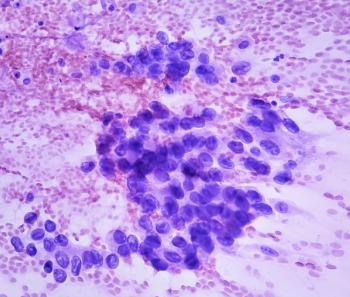
A study finds that nearly half of older adults with mNSCLC do not receive treatment despite major advances in immunotherapy and targeted therapies that can improve survival and quality of life.

The ACACIA-HCM trial marks the first time a therapy has shown statistically significant improvements in exercise capacity and symptom burden in patients with non-obstructive hypertrophic cardiomyopathy.

Health systems are being pushed to fundamentally rethink how to support medication safety, regulatory compliance, and patient care with fewer resources.

Ketamine, an NMDA receptor antagonist, is increasingly being used in low-dose infusions as a multimodal, opioid-sparing strategy for patients with refractory acute and chronic pain.

Outpatient infusion and specialty pharmacy pharmacists drive safe, cost-effective oncology and chronic-care expansion, from biosimilars to community access

See how pharmacists turn pharmacogenomic results into safer prescribing—overcoming reimbursement, EHR, and equity barriers to scale testing in community pharmacies.

Phase 3 findings from the VIKTORIA-1 trial demonstrated clinically meaningful progression-free survival improvements with gedatolisib-based regimens in patients with PIK3CA-mutant HR+/HER2– advanced breast cancer.
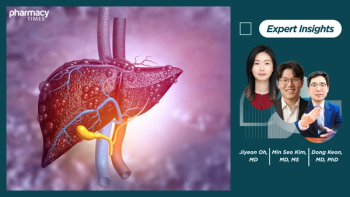
Metabolic dysfunction-associated steatotic liver disease (MASLD) remains largely underdiagnosed and asymptomatic, creating major opportunities for pharmacists to drive early identification, lifestyle intervention, and metabolic risk management.
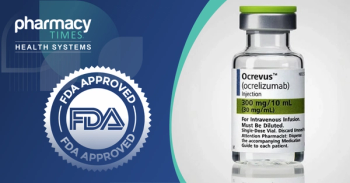
This approval marks the first high-efficacy B-cell depletion therapy approved for pediatric patients 10 years and older.
Treatment with zenocutuzumab-zbco led to an overall response rate of 36.8% for a duration ranging from 2.8 to 12.9 months.

New findings reveal that mouse liver cells can form the viral template behind chronic HBV infection.

Ivermectin, vitamin D, and zinc are being recommended on social media as treatment for hantavirus—despite a lack of evidence.

This review examines evidence on changes in muscle mass with incretin-based therapies and focuses on current and emerging strategies to preserve and enhance skeletal muscle mass.

Psilocybin-assisted psychotherapy significantly increased cocaine abstinence rates and reduced relapse risk in patients with cocaine use disorder.
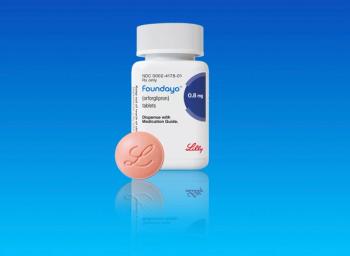
A recent report of liver failure in a patient receiving orforglipron has renewed attention on the long-term safety monitoring of GLP-1 receptor agonists.
Explore updates around hantavirus outbreak and FDA controversies.

Forrest N. Ridgway, PharmD, BCOP, discusses health misinformation, AI-generated medical advice, wellness culture, and the controversial therapies patients are bringing into the clinic.

Effective real-world management of cytokine release syndrome (CRS) and immune effector cell–associated neurotoxicity syndrome (ICANS) is critical to safely delivering CAR T-cell therapies and bispecific antibodies.

Advanced lung cancer inflammation index (ALI) predicts 3‑month recovery after thrombolysis for acute ischemic stroke, with low ALI signaling higher risk.

University of Arizona pharmacy interns who received mentorship and engaged in pharmacist-level tasks report greater satisfaction and perceived professional readiness, highlighting a need to restructure internships as longitudinal, competency-based experiences.

The ACCESS trial found that expanding hematopoietic cell transplant eligibility through mismatched unrelated donors increased racial, ethnic, and socioeconomic diversity among recipients.

Study data show that extended endocrine therapy after 5 years reduces late recurrence in premenopausal breast cancer, with benefits varying by tumor subtype.

Emerging synthetic opioids known as orphines are entering the illicit drug supply with extreme potency and detection challenges.