

Apnimed has submitted an NDA for AD109 for obstructive sleep apnea following positive phase 3 results from the SynAIRgy and LunAIRo trials.
Apnimed has submitted an NDA for AD109 for obstructive sleep apnea following positive phase 3 results from the SynAIRgy and LunAIRo trials.
Real-world evidence is helping improve HER2-low metastatic breast cancer care, identify treatment gaps, and better understand patient distress and outcomes.

A real-world study presented at ASCO 2026 found that early intravenous immunoglobulin administration within 4 weeks of starting talquetamab was associated with significantly lower infection rates and reduced 1-year mortality in patients with relapsed or refractory multiple myeloma.

Updated results from a phase 1 study showed that KLN-1010 produced reduced MRD-negative responses in all treated patients with RRMM.
The FDA approved the oral antiviral ensitrelvir (Xocova; Shionogi & Co, Ltd) for post-exposure prophylaxis (PEP) of COVID‑19 in adults and adolescents 12 years and older.

Data presented at ASCO 2026 show giredestrant plus palbociclib extends PFS in ER+/HER2– metastatic breast cancer; FDA approval is on the horizon.
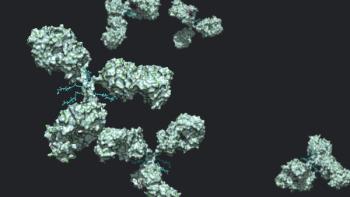
ASCENT-04 updated data show sacituzumab govitecan plus pembrolizumab extends benefit past progression in PD-L1+ metastatic TNBC.
Findings from the SWOG S2001 trial show that pembrolizumab plus olaparib did not significantly improve progression-free survival compared with olaparib alone as maintenance therapy in patients with metastatic pancreatic cancer harboring germline BRCA1/2 mutations.

Pharmacy Times interviews Allison Burns, PharmD, RPh, the CEO of End Mass Overdose (EMO) Health to discuss how medication stigma and bias can impact patient recovery.

Final results from the CEPHEUS trial showed that daratumumab plus VRd produced deeper, more durable responses and prolonged survival.
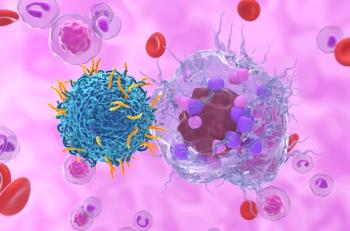
An RNA- and lipid nanoparticle–based platform derived from non-LTR transposons enables stable in vivo CAR T-cell engineering.

Pharmacy Times interviews Allison Burns, PharmD, RPh, the CEO of End Mass Overdose (EMO) Health to discuss why patients struggle to access mental health and addiction treatment medications.
Elizabeth Budde, MD, discusses the phase 3 data behind the mosunetuzumab plus polatuzumab vedotin combination in the SUNMO trial.
GLP-1 receptor agonists may be associated with improved survival outcomes and lower recurrence rates among women with breast cancer, obesity, and type 2 diabetes.

ASCO 2026: Daraxonrasib boosts survival and PFS in metastatic pancreatic cancer vs chemotherapy, with better tolerability and quality-of-life preservation.

ASCO 2026 data show encorafenib plus cetuximab with FOLFIRI boosts response and PFS in BRAF V600E mCRC, complementing FOLFOX.
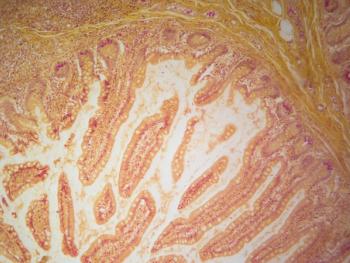
Findings presented at the 2026 Joint ASTCT + EBMT Basic and Translational Scientific Meeting offer potential therapeutic targets to reduce GI toxicity and GVHD.
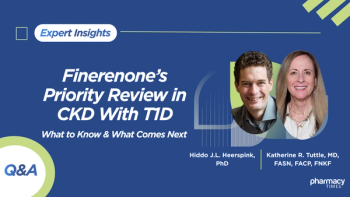
With no new kidney-protective therapies approved in T1D for over 3 decades, experts break down the clinical significance of finerenone's FDA priority review and what pharmacists need to know.

Pharmacy Times interviews Allison Burns, PharmD, RPh, the CEO of End Mass Overdose (EMO) Health to discuss how stigma from health care providers or frontline staff impacts patient willingness to seek or continue treatment.

Pharmacy Times interviews Allison Burns, PharmD, RPh, the CEO of End Mass Overdose (EMO) Health to discuss common myths and misconceptions surrounding antidepressants, antipsychotics, and medications for addiction treatment in congregate care settings.

Phase 3 SARC041 data show that abemaciclib sharply extends progression-free survival in advanced dedifferentiated liposarcoma, hinting at a new standard.

The trial met both dual primary end points of pathologic complete response and metastasis-free survival.
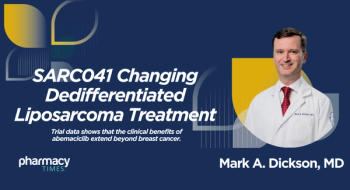
SARC041 data shows the clinical benefits associated with abemaciclib in the treatment of patients with incredibly rare diseases.
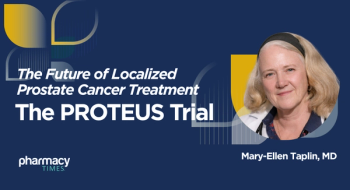
Apalutamide plus androgen deprivation therapy significantly increased the curative success of radical prostatectomy in patients with localized prostate cancer.

At ASCO 2026, GLORA investigators report on lisaftoclax as an addition to BTK inhibitors to deepen responses and delay progression in high-risk CLL/SLL.
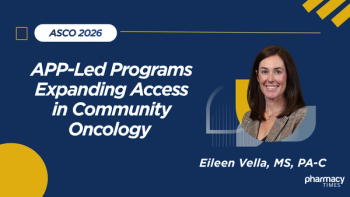
APP-led benign hematology consult programs helped community oncology practices significantly reduce time to first appointment while strengthening interdisciplinary collaboration with pharmacists and physicians.

Enfortumab vedotin combination delivers lasting complete responses in la/mUC.

ASCO 2026 data show perioperative enfortumab vedotin plus pembrolizumab boosts EFS, OS, and pCR in cisplatin-eligible MIBC.

ASCO 2026: Glofitamab monotherapy shows durable remissions in relapsed mantle cell lymphoma after BTKi, with manageable CRS.

At ASCO 2026, CHRYSALIS-2 data show amivantamab plus lazertinib extends survival in atypical EGFR-mutated NSCLC, reshaping first-line care.