Albuminuria (uACR) flags early vascular damage linking chronic kidney disease and cardiovascular risk.

Albuminuria (uACR) flags early vascular damage linking chronic kidney disease and cardiovascular risk.

A new 2026 American Heart Association study shows COVID-19 infection sharply raises heart attack risk, whereas vaccination appears safe—key guidance for patient counseling.

Pharmacists play a key role in modern obesity care through education, access support, and collaboration.

Long-acting HIV injections and twice-yearly PrEP reshape care, while pharmacists tackle stigma, insurance hurdles, and adherence to close access gaps.

Clinical pharmacists reshape PBMs with medication optimization, cutting drug spend and improving outcomes through smarter, safer prescribing.

Swapping 30 minutes of teen sedentary time for vigorous activity or extra sleep cuts insulin resistance by 15%, aiding type 2 diabetes (T2D) prevention.

Joseph Saseen, PharmD, breaks down how the new PREVENT ASCVD calculator improves on its predecessor and what the expanded LDL-C goal framework means for treatment decisions in pharmacy practice.


Case reports show that alternative agents, including phenytoin, have been successful in resolving digoxin-induced arrhythmias.

Emerging therapies, AI, and patient-centered approaches are reshaping cardiovascular pharmacy.

This week's episode covers the court ruling halting RFK Jr.'s childhood vaccine schedule changes, the FDA's RSV vaccine approval for adults aged 18–49, pharmacist-led GLP-1 optimization strategies, and new gabapentin data in SUD treatment settings.

FDA approves nivolumab with AVD for stage III/IV classical Hodgkin lymphoma, boosting PFS and redefining first-line care.

Learn why uACR screening flags early vascular damage linking chronic kidney disease and cardiovascular health.

Artificial intelligence is emerging as a vital tool for pharmacists in cardiovascular care—supporting clinical decisions, patient education, and adherence while maintaining guideline alignment.

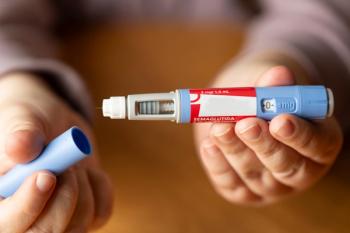
The FDA approval of the Wegovy pill offers a new, effective GLP-1 option for weight management, with pharmacists playing a key role in patient counseling and adherence support.

The expanded indication is supported by findings from the phase 3 TRANSCEND clinical trial.

How pharmacists enter sports medicine, guide safe supplements, prevent doping risks, and join athlete care teams through the Sports Pharmacy Network.

Respiratory syncytial virus hits older adults hard and is often missed. Learn symptoms, testing, and how new vaccines and pharmacists help prevent severe illness.

In patients with diabetes, liver stiffness testing flags hidden MASLD fibrosis and sharply higher death risk.

Evidence questions anemia plus thrombocytopenia prognosis in primary myelofibrosis, helping oncology pharmacists refine hematology risk stratification.

Research suggests a shift from the Cockcroft-Gault formula to race-free eGFR testing to improve kidney function assessment and medication dosing.

Tucatinib triplet regimen with trastuzumab and capecitabine boosts survival and cerebrospinal fluid control in HER2-positive breast cancer leptomeningeal metastasis.

FDA approval of linerixibat brings the first targeted oral relief for cholestatic pruritus in primary biliary cholangitis, easing relentless autoimmune itch fast.

Icotrokinra, a first-in-class oral IL-23 receptor blocker, fills a long-standing gap in the treatment of moderate to severe plaque psoriasis.

Sharon Nachman, MD, division chief for pediatric infectious disease at Stony Brook Children's Hospital, shares her reaction to the court ruling blocking the scaled-back childhood vaccine schedule.

Interoperability gaps in EHRs hinder pharmacists' ability to ensure safe medication practices, impacting patient safety and care transitions.

Dual-target flu immunity to HA and NA halves airborne spread in ferrets without escape mutations, reshaping next-generation vaccines and pharmacist counseling.

New American College of Cardiology/American Heart Association dyslipidemia guidelines reset LDL goals, add PREVENT risk scoring, and expand Lp(a)/apoB testing for earlier, tougher prevention.