
Education, safety protocols, and evolving responsibilities are transforming the role of pharmacy technicians in cancer care.

Danielle Valletti is an assistant editor at Pharmacy Times®. She graduated from The Pennsylvania State University in May 2025 in journalism and media studies. Prior to this position, she worked as a reporter and editor for a digital news organization.
Education, safety protocols, and evolving responsibilities are transforming the role of pharmacy technicians in cancer care.

A new oral GLP-1 therapy could reshape obesity treatment by improving access, convenience, and patient uptake compared with injectable options.

The FDA approved the supplemental biologics license for the expansion of IVIG (immune globulin, intravenous) use to children 2 years and older with primary humoral immunodeficiency, enabling earlier treatment and infection protection.
FDA approval of orforglipron may expand access to obesity treatment by offering a more convenient oral GLP-1 therapy option.
Optimizing biomarker testing workflows and pharmacist involvement can improve precision oncology decision-making in non–small cell lung cancer.
Remote therapeutic monitoring (RTM) improves patient outcomes, reduces hospitalizations, and supports sustainable oncology care delivery.
Pharmacists help prevent communication breakdowns and improve coordination across oncology care teams.
The need for data-driven, multidisciplinary care and the critical role of pharmacists in managing the growing complexity of oncology treatment
Pharmacists are enabling the shift to outpatient bispecific antibody care through education, SOP development, and care coordination.
Pharmacists are central to implementing bispecific antibody therapies through clinical expertise, operational leadership, and care coordination.
Pharmacists support evidence-based treatment decisions, coordinate multidisciplinary care, and optimize precision oncology outcomes.
Integrated EMR systems and coordinated pharmacy operations can streamline biomarker-driven treatment decisions and improve patient outcomes.
Pharmacists can help standardize biomarker testing and improve access to targeted therapies in non–small cell lung cancer.
Pharmacists can help optimize TKI therapy in CML through education, adherence support, toxicity monitoring, and collaboration with care teams.
Bispecific antibodies are reshaping multiple myeloma care through improved safety and expanded outpatient use.

Oncology pharmacists should weigh lung cancer and diet data, probing pesticides as a possible factor in young nonsmokers.

This week's episode highlights a new executive order signed by President Trump, new expanded FDA approvals, and a conference roundup.
How community oncology practices are expanding access to innovative therapies while navigating reimbursement and care delivery challenges.
Pharmacists must remain in a constant state of readiness by implementing structured shortage management plans and guiding patients through access challenges as supply disruptions persist.

AACR data show tumor molecular profiling finds actionable PIK3CA in breast and colorectal cancer, while ctDNA adds real-time monitoring in oncology.

Global trade disruptions and reliance on overseas manufacturing could contribute to future drug shortages, highlighting the need for proactive planning and supply chain resilience across pharmacy settings.
Geopolitical conflict could affect drug manufacturing and global trade routes, with potential downstream impacts on medication costs and availability.

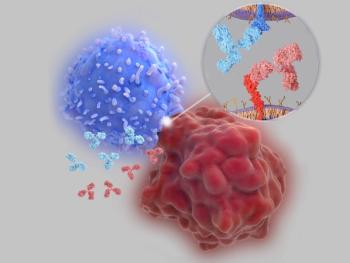
Adjuvant PD-1/PD-L1 inhibitors improve disease-free and metastasis-free survival in patients with solid tumors but require careful patient selection.

Pharmacist lung cancer insights on NSCLC: biomarker testing, PD-1 choices such as cemiplimab, and access tips for treating non–small cell lung cancer.
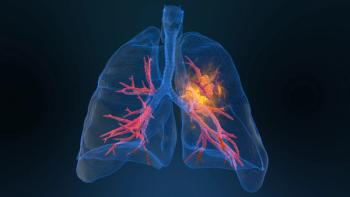
COVID-19 infection may create lasting changes in the lung microenvironment—particularly through thymidine phosphorylase–driven pathways—that could increase the risk of lung cancer over time.

This decision builds upon the drug’s initial approval for adult patients and introduces a new therapeutic option for clinicians treating pediatric populations with rapid heart rate disturbances.

PCOS in female athletes often goes unrecognized due to atypical presentations, requiring careful differentiation, individualized management, and a multidisciplinary approach to protect both performance and long-term health.

Cristian Tomasetti, PhD, explains how obesity enlarges organs, raising cancer risk, and how GLP-1 weight loss therapy may reverse this, guiding oncology pharmacists.