
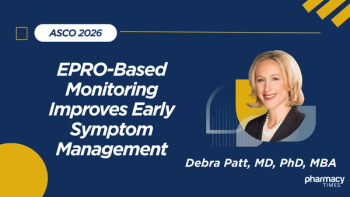
Electronic patient-reported outcome (ePRO) monitoring platforms may improve symptom management, reduce hospitalizations, and help patients remain on cancer therapy longer through earlier intervention and continuous remote support.

Danielle Valletti is an assistant editor at Pharmacy Times®. She graduated from The Pennsylvania State University in May 2025 in journalism and media studies. Prior to this position, she worked as a reporter and editor for a digital news organization.
Electronic patient-reported outcome (ePRO) monitoring platforms may improve symptom management, reduce hospitalizations, and help patients remain on cancer therapy longer through earlier intervention and continuous remote support.

GLP-1 receptor agonists may be associated with improved survival outcomes and lower recurrence rates among women with breast cancer, obesity, and type 2 diabetes.
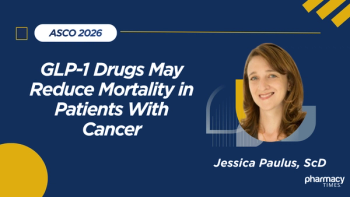
Jessica Paulus, ScD, discusses emerging real-world evidence suggesting GLP-1 receptor agonists may be associated with improved survival outcomes across several cancer types, while emphasizing the need for prospective clinical research.
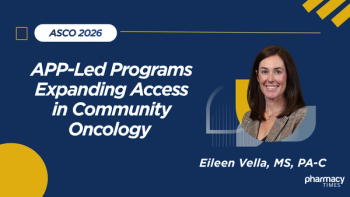
APP-led benign hematology consult programs helped community oncology practices significantly reduce time to first appointment while strengthening interdisciplinary collaboration with pharmacists and physicians.

Emerging evidence links GLP-1 receptor agonists to improved breast cancer outcomes and the growing importance of metabolic health in survivorship care.
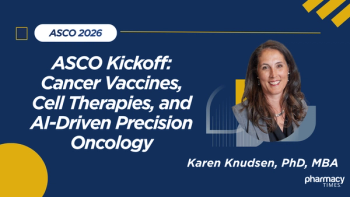
This interview discusses emerging immunotherapy trends at the 2026 ASCO Annual Meeting, including cancer vaccines, cell-based therapies, ADCs, and AI-driven immune profiling tools poised to reshape oncology care.
Proteomic liquid biopsy technology may improve early breast cancer detection, guide targeted therapy selection, and support longitudinal treatment monitoring in oncology care.

FDA approval brings durvalumab plus BCG to frontline high-risk NMIBC, boosting disease-free survival and expanding oncology options.

Pharmacists play a big role in biomarker testing, patient selection, and counseling on immune checkpoint inhibitor therapy in endometrial cancer.

Researchers discuss how GLP-1 receptor agonists may be associated with improved survival outcomes in breast cancer and what clinicians should consider as use of these therapies continues to grow.

Erin Zacholski, PharmD, BCOP, discusses the critical role of biomarker testing, immune checkpoint inhibitor selection, and pharmacist-led patient counseling in recurrent and metastatic endometrial cancer management.

Adding immune checkpoint inhibitors to carboplatin and paclitaxel has become the new frontline standard for advanced or recurrent endometrial cancer.

This week's episode covers the White House's expansion of the TrumpRx.gov platform, the pharmacist's critical role in closing adult hepatitis B vaccination gaps, and new FDA approvals in immunology, oncology, and cardiovascular care.

GLP-1 receptor agonists, molecular profiling, and biomarker-driven treatment strategies may help improve outcomes and personalize care for patients at risk for or diagnosed with endometrial cancer.

GLP-1 receptor agonists could influence endometrial cancer prevention, obesity management, fertility preservation, and molecularly guided treatment strategies in gynecologic oncology.

Heavy marijuana smoking may increase lung cancer risk, with cannabis use disorder linked to higher odds of small cell and non–small cell disease.

Emerging evidence surrounding GLP-1 receptor agonists and progestin therapies could influence preventive care strategies and endometrial cancer risk reduction in high-risk patients.

The FDA approved 2 new indications for fam-trastuzumab deruxtecan-nxki in HER2-positive early-stage breast cancer, expanding its use in both neoadjuvant and adjuvant settings.
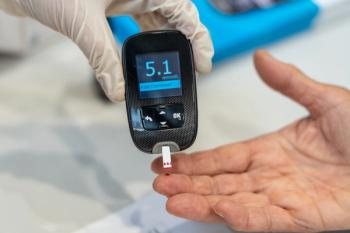
FDA Recall targets True Metrix blood glucose monitoring systems after E-5 errors risk mistreating diabetes; updated guidance helps patients, pharmacists prevent harm.

A single dose of psilocybin produced rapid and clinically meaningful reductions in depressive symptoms in patients with major depressive disorder.

This week’s episode covers Marty Makary’s resignation as FDA commissioner, evolving hepatitis B vaccination efforts, and new FDA approvals in asthma and precision oncology.

A novel urine-based test outperformed mpMRI in detecting prostate cancer progression and may help reduce unnecessary biopsies.
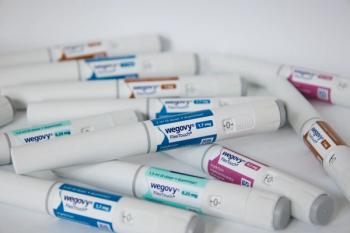
A new JAMA study links GLP-1s like Wegovy, Ozempic, Zepbound, and Mounjaro to better breast cancer survival, lower recurrence, and weight loss benefits.
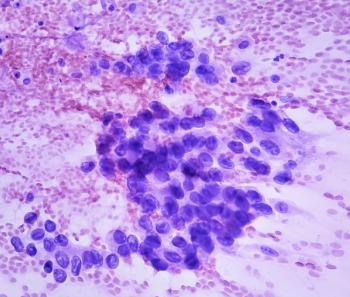
A study finds that nearly half of older adults with mNSCLC do not receive treatment despite major advances in immunotherapy and targeted therapies that can improve survival and quality of life.

Phase 3 findings from the VIKTORIA-1 trial demonstrated clinically meaningful progression-free survival improvements with gedatolisib-based regimens in patients with PIK3CA-mutant HR+/HER2– advanced breast cancer.
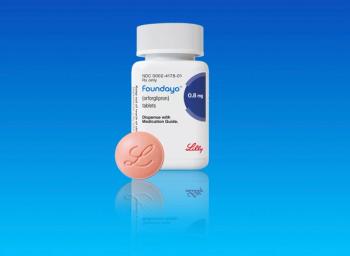
A recent report of liver failure in a patient receiving orforglipron has renewed attention on the long-term safety monitoring of GLP-1 receptor agonists.

Explore updates around hantavirus outbreak and FDA controversies.

Advanced lung cancer inflammation index (ALI) predicts 3‑month recovery after thrombolysis for acute ischemic stroke, with low ALI signaling higher risk.

Study data show that extended endocrine therapy after 5 years reduces late recurrence in premenopausal breast cancer, with benefits varying by tumor subtype.

Expanding education, safety responsibilities, and patient support roles are elevating the importance of pharmacy technicians in cancer care.