

The international cohort study evaluated the safety, efficacy of BCMA-targeting agents ciltacabtagene autoleucel and idecabtagene vicleucel.
The international cohort study evaluated the safety, efficacy of BCMA-targeting agents ciltacabtagene autoleucel and idecabtagene vicleucel.

KN026 is a humanized bispecific antibody that targets and binds to HER2 proteins on the surface of cancer cells.

Esketamine targets glutamate, the most abundant neurotransmitters in the brain.

As H5N1 bird flu outbreaks impact all 50 states, concerns grow over its spread to humans.

The closure of Baxter’s North Cove facility has significantly impacted existing IV fluid shortages into 2025.

Palbociclib is an oral CDK4/6 inhibitor that was approved by the FDA in 2017.

The report from the Office of Inspector General highlights inconsistencies, lack of transparency, and the need for stronger safeguards.

Data from the CodeBreaK 300 trial supported the FDA's approval.
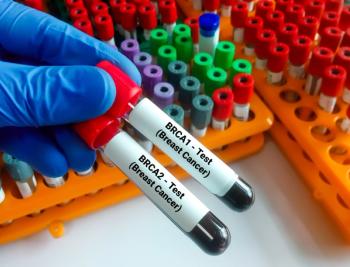
Hormonal contraceptives did not increase breast cancer risk in patients with BRCA2 mutations.

The combination yields promising results but was associated with high incidence of toxicity and infection.

Studies shows that Red Dye No. 3 was associated with tumor growth in male rats.

Radon is a tasteless, odorless radioactive gas associated with DNA damage and high genomic tumor instability.
The approach favors administration of frequent low-dose chemotherapy to reduce toxicities and optimize outcomes.

Wildfire smoke carries toxic compounds that can trigger respiratory inflammation and cause cellular damage.

Brentuximab vedotin is approved for treatment of adult and pediatric with classical Hodgkin lymphoma in combination with chemotherapy.

Datopotamab deruxtecan was also granted breakthrough therapy designation in December 2024.

The new Medicare cap limits out-of-pocket drug costs to $2000 annually.

Inclusion of AI improved detection and reduced instances of false-positive test results.

Limited access to healthy food in redlined communities contributes to higher rates of chronic disease and reduced life expectancy.

The late former president played a critical role in advancing cancer care, as well as efforts to eradicate preventable diseases.

Duchenne muscular dystrophy is an incurable neuromuscular disorder that can lead to cardiomyopathy, resulting in heart failure.

Palbociclib demonstrates safety and efficacy in combination with anti-HER2 and endocrine therapies.

This association was also observed in siblings of children with autism spectrum disorder.

The advisory emphasizes the need for a comprehensive approach to reducing alcohol-related cancer by combining prevention, education, and treatment to improve public health outcomes.
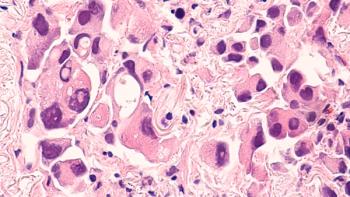
Sunvozertinib was originally approved in China, making it the world’s first and only oral treatment for these patients.

A pooled analysis showed regular consumption of coffee and tea was associated with decreased risk of certain cancers.

The patient was hospitalized after exposure to an infected backyard flock.
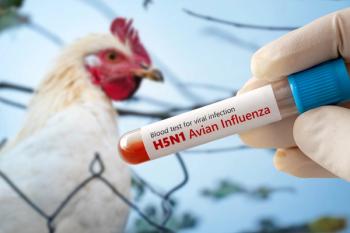
Two cases of hospitalizations show mutations that may allow H5N1 to more easily target human cells.

Calcipotriol in combination with 5-FU triggers Th2 immunity to prevent skin cancer.
The analysis shows patients achieved deep and durable responses despite being ineligible for the CARTITUDE-1 trial.