
Patients with hormone receptor–positive and human epidermal growth factor receptor 2 breast cancer are particularly at risk.
Patients with hormone receptor–positive and human epidermal growth factor receptor 2 breast cancer are particularly at risk.

Patients with relapsed, refractory disease achieved deep, durable responses with equecabtagene autoleucel.

The model, Deep-IO, shows improved specificity and sensitivity compared with existing predictive biomarkers.
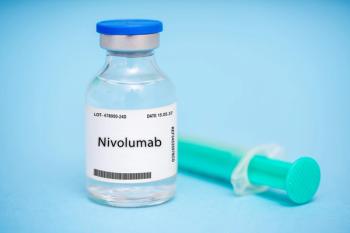
The approval offers patients with solid tumors an alternative to intravenous PD-1 inhibitor administration.
Muvalaplin is an oral, small molecule inhibitor that can reduce lipoprotein(a).

High levels of the Oscillibacter genus of bacteria were associated with reduced cholesterol.
Gecacitinib is a novel inhibitor targeting both JAK and ACVR1.

Pharmacy Times attended the 2024 San Antonio Breast Cancer Symposium from December 10 to December 13.

Concizumab-mtci is a subcutaneous, monoclonal antibody designed to achieve hemostasis in all hemophilia types.

The nasal spray label resembles that of the FDA-approved epinephrine injection, leading to potential dosing errors.

OraQuick was the first at-home HIV test kit to be approved by the FDA in 2012.
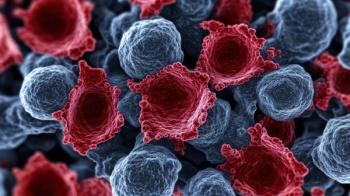
The decision is based off favorable results from the BREAKWATER trial.
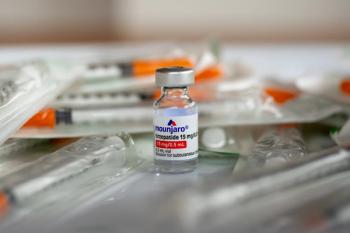
Compounding pharmacies have a 60- to 90-day grace period to complete production as it continues to monitor supply and demand.

Duloxetine is a commonly prescribed medication used to treat anxiety, depression, and other mental health disorders.

The approval makes remestemcel-L-rknd the first approved mesenchymal stromal cell in the United States.

Lerodalcibep is a third-generation PCSK9 inhibitor that demonstrated success in reducing low density lipoprotein cholesterol (LDL-C).

Ultra-processed food consumption fuels the rising rates of childhood obesity, diabetes, and liver disease, highlighting opportunities for pharmacist intervention.

The updated prescribing information recommends laboratory tests prior to prescribing fezolinetant to determine baseline for hepatic function and injury.

The researchers suggest that an imbalance between pro-inflammatory and resolving lipid mediators may drive tumor growth.

The decision is based on positive results from the CAHtalyst trials, which both met their primary and secondary end points.

Emerging research in triple-negative breast cancer highlights the promise of molecular-based approaches to improve treatment outcomes.

Advancements in prevention address cancer risk in high-risk patients and BRCA mutation carriers.

Combining CDK4/6 and PDL-1 inhibitors enhances treatment responses in patients with hormone receptor positive and triple-negative breast cancer.

Novel therapies and personalized treatment plans are improving outcomes for patients with ER-positive breast cancer.
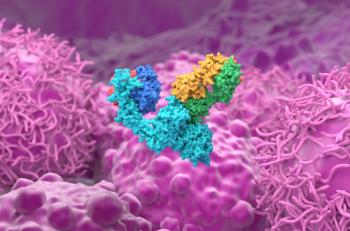
Trastuzumab deruxtecan and trastuzumab emtansine address key challenges such as recurrence and metastases in HER2+ early breast cancer treatment.

At the 2024 San Antonio Breast Cancer Symposium, experts discussed the development, clinical impact, and challenges of antibody-drug conjugates (ADCs).

Experts highlight the importance of dosing and regimen optimization in breast cancer to improve treatment tolerability, reduce toxicities, and improve quality of life for patients.

Experts discuss advancements in hormone receptor–positive/HER2-negative breast cancer treatment while addressing safety, diversity, and fertility challenges.
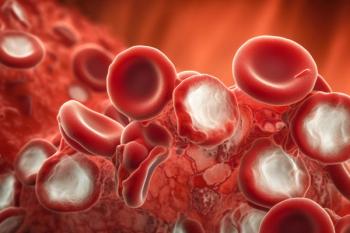
Navtemadlin has demonstrated meaningful efficacy and safety as a monotherapy or combination treatment in various preclinical and clinical trials.

As experts in medication management and health education, pharmacists can work with the administration to promote effective strategies that reduce misinformation and improve public health outcomes.