

Lepodisiran, a small interfering RNA, demonstrated cholesterol-lowering effects at 16-mg, 96-mg, and 400-mg doses, with the highest dose being the most effective.
Lepodisiran, a small interfering RNA, demonstrated cholesterol-lowering effects at 16-mg, 96-mg, and 400-mg doses, with the highest dose being the most effective.

These data provide compelling evidence to revise existing transfusion protocols, recommending 4F-PCC as the preferred treatment for hemostatic management in cardiac surgery.
Host Craig Beavers speaks with Steven Dunn about the latest ACC/AHA/ACEP/NAEMSP/SCAI Guideline for the Management of Patients With Acute Coronary Syndromes.
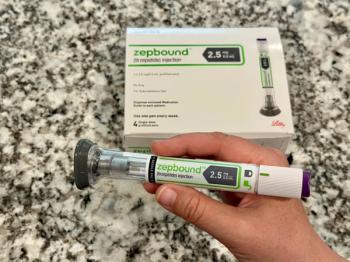
Tirzepatide-treated patients with chronic kidney disease (CKD), obesity, and heart failure with preserved ejection fraction (HFpEF) had improved renal function both by cystatin C and creatinine.

The registry data showed that cardiac magnetic resonance (CMR) was obtained in more clinically complex patients with recurrent pericarditis.

John Ostrominski, MD shares insights into the safety and efficacy of finerenone, based on data from the FINEARTS-HF trial.
Sarah Spinler, PharmD, FCCP, FAHA, FASHP, AACC, discussed management of atrial fibrillation in patients with cancer.
Host Craig Beavers spoke with several presenters, researchers, and experts about the key data being discussed at the meeting.

Anna Sophie Mueller, MD discusses how imaging could advance risk identification in cardiovascular care.
Marc Humbert, MD, PhD, shared data that were presented at the ACC 2025 Scientific Sessions.

Jawad Butt, MD, offers insight into his analysis of the FINEARTS-HF trial.
John Buse, MD, PhD discusses the expanding role of GLP-1 receptor agonists in treatment of cardiovascular conditions.

Patients in the treatment group had a 21% lower risk of cardiovascular death or first heart failure hospitalization overall, but the between-group difference did not meet the threshold for statistical significance for this primary end point.
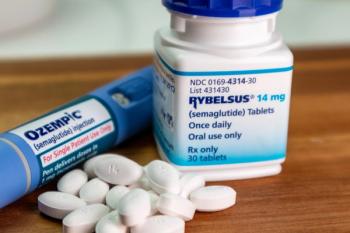
The trial is the first to test the cardiovascular benefits of an oral glucagon-like peptide-1 (GLP-1) agonist.
Christian Ruff, MD, highlights abelacimab’s potential to significantly reduce bleeding in patients with high-risk atrial fibrillation.
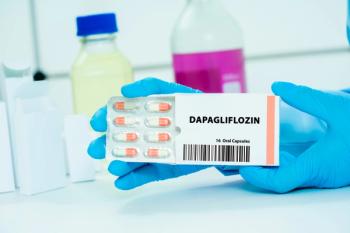
The DapaTAVI study is the first trial of a sodium-glucose cotransporter-2 (SGLT2) inhibitor for valvular disease.

The availability of this option could make physicians more comfortable when prescribing ticagrelor, which could help solve the challenge of undertreatment with antiplatelet therapy.
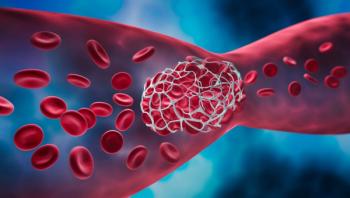
Rivaroxaban offers more predictable dosing, eliminates frequent blood tests, and is less likely to interact with foods.
The results should lead to a guideline update recommending extended treatment with a reduced-dose anticoagulant in this patient population.

The STRIDE trial was first of its kind to evaluate the use of a GLP-1 agonist in PAD management.
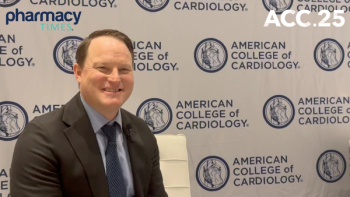
Marc Bonaca, MD, PHH, FACC discussed semaglutide’s potential benefits for non-diabetic patients with peripheral artery disease.

Pharmacy Times will be on-site in Chicago, Illinois from March 29 through 31.
This new podcast will explore the latest evidence, practices, and innovations in the world of cardiovascular care from a pharmacist's point of view.