

Opinion|Videos|May 14, 2026
Addressing Statin Intolerance and Expanding Access to Non-Statin Therapies
Fact checked by: Ron Panarotti
Cardiovascular experts discuss how to assess statin intolerance, expand prescribing of non-statin LDL-C–lowering therapies to primary care and pharmacy teams, and monitor for adverse events in clinical practice.
Advertisement
Episodes in this series
In this episode, Addressing Statin Intolerance and Expanding Access to Non-Statin Therapies, the cardiovascular experts explore the following questions:
How are you assessing statin intolerance and which providers are prescribing non-statin LDL-C lowering therapies?
Do you believe there should be a bigger role for primary care providers and pharmacists in prescribing these therapies to their patients?
How do you monitor adverse events with non-statin therapies and manage these in clinical practice?
The panelists examined assessing statin intolerance, which typically involves a combination of patient-reported symptoms, laboratory evaluation, and careful rechallenge or dose adjustment to distinguish true intolerance from other causes. Non-statin LDL-C–lowering therapies are often prescribed by specialists, but expanding the role of primary care providers and pharmacists could improve access and timely initiation for eligible patients. Monitoring for adverse events with non-statin therapies requires regular lab assessments, symptom tracking, and patient education to ensure early detection and intervention. Effective management in clinical practice involves adjusting therapy, providing supportive care, and coordinating across the care team to maintain adherence and achieve guideline-directed LDL-C targets.
Throughout the conversation, the experts provide a comprehensive reflection on the field and the factors that may shape how clinicians approach care moving forward.
The next episode in this series, Improving Statin Adherence and Optimizing Combination Therapy, features the panelists advancing their conversation on the prevalence and drivers of suboptimal statin adherence, including pill burden, perceived lack of benefit, and patient engagement challenges. It also explores strategies for determining when to add non-statin therapies or switch treatments to achieve LDL-C targets and maximize cardiovascular risk reduction.
Advertisement
Related to this article

A pharmacist-led collaborative drug therapy management program at NYC Health + Hospitals/Bellevue reported high patient satisfaction, and every surveyed patient said they felt respected and supported by their pharmacist.

A Novo Nordisk-funded claims analysis of adults with type 2 diabetes found an adjusted HR of 1.06 for MACE with switching, though the findings cannot show causation.

Invasive pneumococcal disease may be the first sign of undiagnosed blood cancers and antibody deficiencies in adults, a new study finds.

A retrospective study from Japan found that oncology pharmacist assessment before medical examination was associated with higher rates of complete adverse event resolution in outpatient chemotherapy.
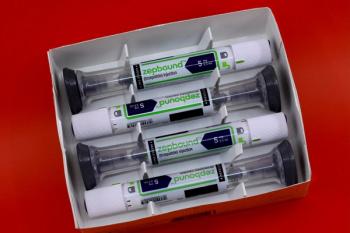
A new analysis finds a significant weight loss edge for tirzepatide under one estimand but not another; no head-to-head trial exists at these doses.

In SCOUT-HCM, mavacamten reduced the Valsalva LVOT gradient by 48 mm Hg versus placebo in adolescents. REMS, echo monitoring, and CYP interactions still apply in the new population.

September’s pain management coverage examined postoperative nonopioid options, lessons from sickle cell pain research, and pharmacists’ experiences with controlled-substance prescribing.

September’s hematology coverage examined a new definition of myeloma cure, patient preferences for treatment delivery, and emerging strategies for deepening responses.
Advertisement
Advertisement
Trending on Pharmacy Times
1
Tirzepatide Linked to More Weight Loss Than Semaglutide 7.2 mg
2
September 2026 in Pain Management: 4 Updates on Treatment and Pharmacy Practice
3
Pharmacist, Advocate, Ally: Delivering Comprehensive Gender-Affirming Care
4
Pharmacists Can Close CKD Medication Adherence Gaps, PHTI Says
5