

Opinion|Videos|August 13, 2026
Pharmacist-Led Patient Education, Unmet Needs, and Overcoming Barriers in BCMA-Targeted Therapy for Relapsed/Refractory Multiple Myeloma
Zahra Mahmoudjafari outlined best practices for pharmacist-led patient education across all three BCMA-directed therapy classes, emphasizing the importance of tailored, proactive counseling that accounts for the unique toxicity profiles of each agent, including cytokine release syndrome (CRS) and neurotoxicity risk with CAR T-Cell therapies and bispecific antibodies, ocular symptoms such as blurred vision and dry eye with belantamab mafodotin, and infection risk across all modalities, while also stressing the critical role of care partners in recognizing and escalating adverse events early.
Advertisement
Episodes in this series
In 'Pharmacist-Led Patient Education, Unmet Needs, and Overcoming Barriers in BCMA-Targeted Therapy for Relapsed/Refractory Multiple Myeloma,' the expert oncologists and oncology pharmacists explored the following questions:
What are best practices for pharmacists in educating patients receiving B-cell maturation antigen (BCMA)-targeted therapies?
What are the remaining unmet needs for successful utilization of BCMA-targeted therapies in relapsed/refractory multiple myeloma (RRMM)?
How can pharmacists be at the front line for overcoming any barriers?
Zahra Mahmoudjafari outlined best practices for pharmacist-led patient education across all three BCMA-directed therapy classes, emphasizing the importance of tailored, proactive counseling that accounts for the unique toxicity profiles of each agent, including cytokine release syndrome (CRS) and neurotoxicity risk with CAR T-Cell therapies and bispecific antibodies, ocular symptoms such as blurred vision and dry eye with belantamab mafodotin, and infection risk across all modalities, while also stressing the critical role of care partners in recognizing and escalating adverse events early. Al-Ola Abdallah identified treatment sequencing as the most pressing remaining unmet need, noting that prospective data are needed to determine the optimal order of BCMA-directed agents, whether patients benefit from re-exposure to a BCMA-directed therapy after prior exposure, and how to incorporate GPRC5D-targeting agents into sequencing strategies, while also reiterating that access barriers continue to prevent some patients from receiving any BCMA-directed therapy despite the availability of three distinct drug classes. Dr. Mahmoudjafari described the multidimensional role pharmacists can play in overcoming these barriers, serving as clinical translators who understand trial data and safety profiles, operational leaders who build infrastructure and toxicity management protocols, financial navigators who manage prior authorizations and patient assistance programs, and contributors to real-world evidence through publication and research efforts.
Throughout the conversation, the experts provided a comprehensive reflection on the field and the factors that may shape how clinicians approach care moving forward.
In the next episode, 'Closing Thoughts: Optimism, Responsibility, and the Path Forward for BCMA-Targeted Therapy in Multiple Myeloma,' panelists share their final reflections on the evolving landscape of BCMA-targeted therapy in relapsed/refractory multiple myeloma, the responsibility that comes with expanding therapeutic options, and the importance of partnership, access, and continued collaboration between academic and community oncology settings.
Advertisement
Related to this article

A pharmacist-led collaborative drug therapy management program at NYC Health + Hospitals/Bellevue reported high patient satisfaction, and every surveyed patient said they felt respected and supported by their pharmacist.
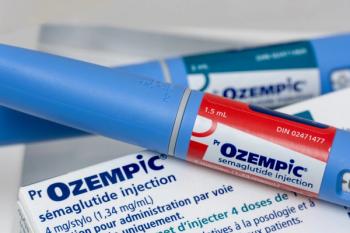
A Novo Nordisk-funded claims analysis of adults with type 2 diabetes found an adjusted HR of 1.06 for MACE with switching, though the findings cannot show causation.

Invasive pneumococcal disease may be the first sign of undiagnosed blood cancers and antibody deficiencies in adults, a new study finds.

A retrospective study from Japan found that oncology pharmacist assessment before medical examination was associated with higher rates of complete adverse event resolution in outpatient chemotherapy.
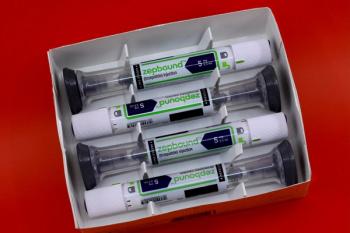
A new analysis finds a significant weight loss edge for tirzepatide under one estimand but not another; no head-to-head trial exists at these doses.
In SCOUT-HCM, mavacamten reduced the Valsalva LVOT gradient by 48 mm Hg versus placebo in adolescents. REMS, echo monitoring, and CYP interactions still apply in the new population.

September’s pain management coverage examined postoperative nonopioid options, lessons from sickle cell pain research, and pharmacists’ experiences with controlled-substance prescribing.
September’s hematology coverage examined a new definition of myeloma cure, patient preferences for treatment delivery, and emerging strategies for deepening responses.
Advertisement
Advertisement
Trending on Pharmacy Times
1
Tirzepatide Linked to More Weight Loss Than Semaglutide 7.2 mg
2
September 2026 in Pain Management: 4 Updates on Treatment and Pharmacy Practice
3
Pharmacists Can Close CKD Medication Adherence Gaps, PHTI Says
4
Pharmacist, Advocate, Ally: Delivering Comprehensive Gender-Affirming Care
5